
Apr . 01, 2024 17:55 Back to list
wholesale new suv supplier Technical Analysis
Introduction
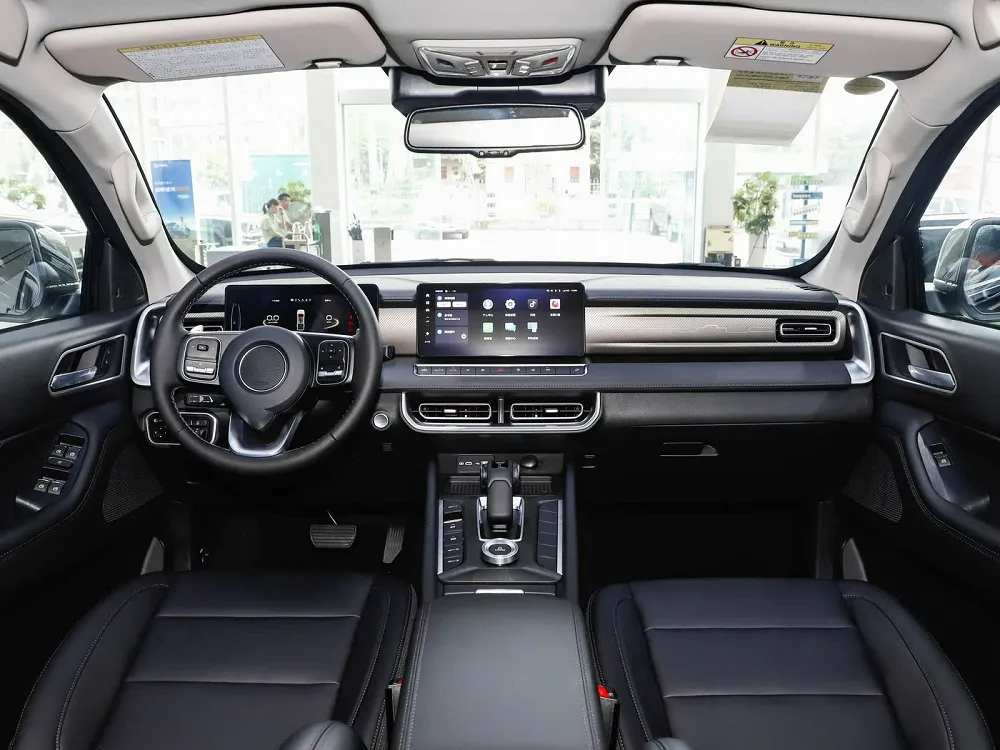
The wholesale new SUV supply chain represents a critical segment of the automotive industry, functioning as the intermediary between manufacturers and distribution networks, including dealerships and export markets. This guide details the technical considerations pertinent to sourcing and evaluating new SUVs in wholesale quantities, focusing on material composition, manufacturing processes, performance characteristics, and potential failure modes. The sector's core performance metrics revolve around logistical efficiency, vehicle quality control, adherence to international safety standards, and cost optimization. A key pain point within this industry is maintaining consistent quality across large volumes, particularly concerning component sourcing and assembly precision. Furthermore, navigating complex global import/export regulations and managing the inherent risks of supply chain disruptions are constant challenges. Understanding the nuances of vehicle construction, including body-in-white integrity and powertrain specifications, is paramount for informed procurement decisions. This guide will furnish a comprehensive understanding of these aspects for senior procurement managers, engineers, and quality control personnel involved in wholesale SUV acquisition.
Material Science & Manufacturing
Modern SUVs employ a diverse array of materials, each selected for specific performance attributes. The body-in-white (BIW) primarily consists of high-strength steel (HSS), advanced high-strength steel (AHSS), and increasingly, aluminum alloys to reduce weight and improve fuel efficiency. HSS grades, such as DP600 and TRIP700, offer superior formability and crash energy absorption compared to conventional steels. Aluminum alloys, particularly 5052 and 6061, are utilized in body panels, hoods, and liftgates to further minimize weight. Interior components leverage polypropylene (PP), acrylonitrile butadiene styrene (ABS), and polyurethane (PU) foams for impact resistance, durability, and aesthetic appeal. Manufacturing processes are equally diverse. BIW construction involves robotic welding, laser welding, and adhesive bonding, requiring precise control of welding parameters (current, voltage, speed) to prevent weld defects like porosity and undercut. Plastic components are primarily manufactured via injection molding, where melt flow rate, mold temperature, and injection pressure are critical parameters influencing part quality and dimensional accuracy. Paint application employs multi-stage processes involving electrodeposition (e-coat) for corrosion protection, primer application, base coat for color, and clear coat for UV resistance and gloss. Powertrain components (engine block, cylinder head) are typically cast from aluminum alloys using processes like die casting or sand casting, demanding stringent control of melt composition and solidification rates to avoid porosity and ensure mechanical integrity. Tire manufacturing utilizes complex rubber compounds reinforced with steel belts and fabric plies, requiring precise control of compound formulation and curing parameters to achieve optimal rolling resistance, wet grip, and wear resistance.
Performance & Engineering
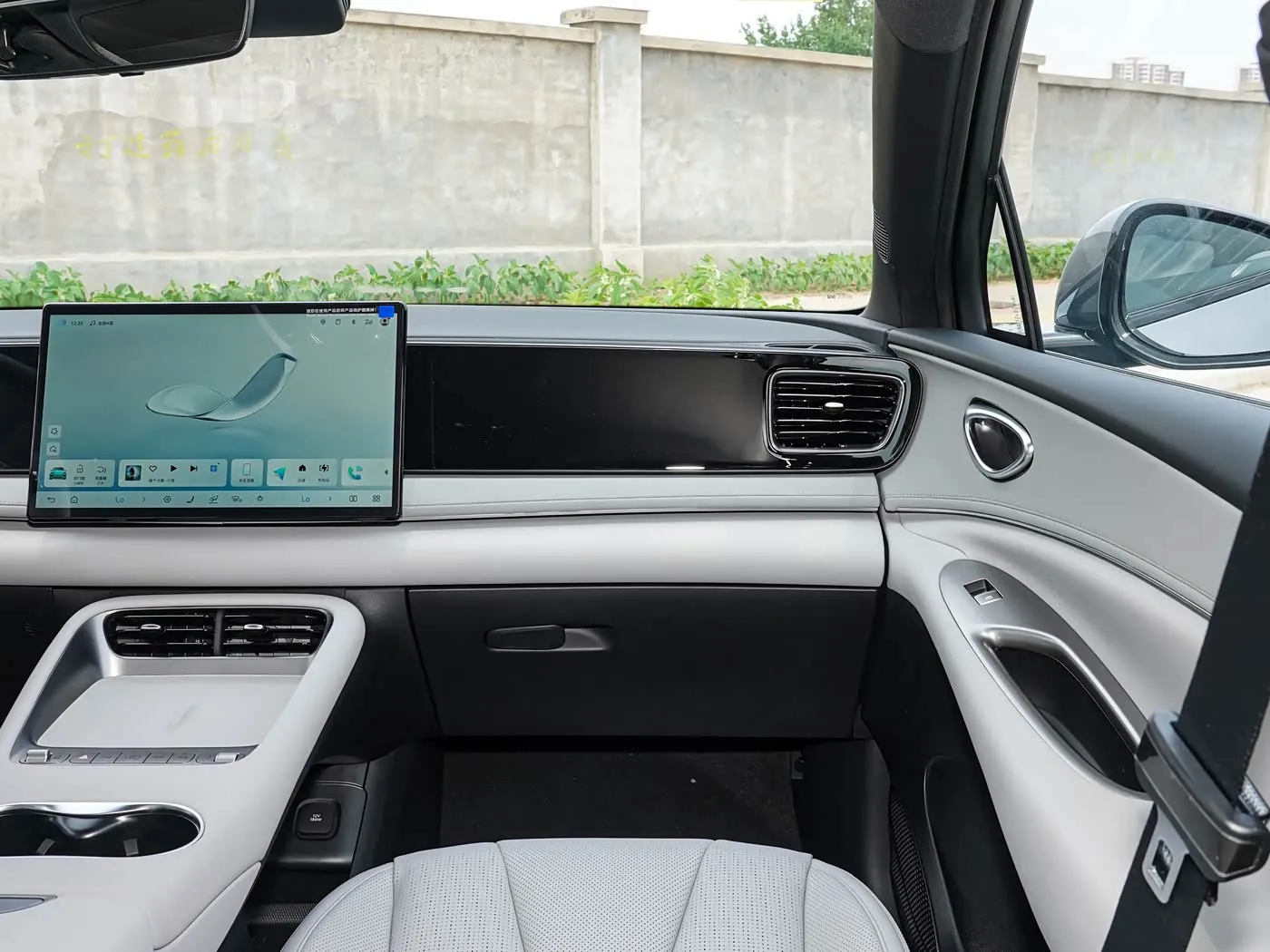
SUV performance engineering encompasses a broad spectrum of considerations, ranging from structural integrity and crashworthiness to ride comfort and handling characteristics. Finite Element Analysis (FEA) is extensively used to optimize BIW designs for crash performance, ensuring compliance with stringent safety standards (e.g., IIHS, Euro NCAP). Force analysis during crash simulations identifies critical stress concentrations and areas requiring reinforcement. Suspension systems are engineered to provide a balance between ride comfort and handling precision, utilizing components like coil springs, shock absorbers, and stabilizer bars. Suspension geometry parameters (camber, caster, toe) are carefully tuned to optimize tire contact patch and minimize body roll. Powertrain performance is evaluated based on metrics like horsepower, torque, fuel efficiency, and emissions levels. Engine control units (ECUs) manage fuel injection, ignition timing, and valve timing to optimize performance and minimize emissions. Braking systems are engineered to provide consistent stopping power under various conditions, utilizing components like brake calipers, rotors, and pads. Anti-lock braking systems (ABS) and electronic stability control (ESC) enhance braking performance and vehicle stability. Environmental resistance is a key concern. Corrosion protection is achieved through the application of e-coat and paint systems, as well as the use of corrosion-resistant materials. UV exposure can degrade plastic components, necessitating the use of UV stabilizers in polymer formulations. Extreme temperatures can affect fluid viscosity and component performance, requiring careful selection of materials and fluids with appropriate temperature ratings. Compliance requirements, including emissions standards (e.g., Euro 6, EPA Tier 3) and safety regulations (e.g., FMVSS), are paramount considerations in SUV design and engineering.
Technical Specifications
| Parameter | Unit | Typical Value (Compact SUV) | Typical Value (Mid-Size SUV) |
|---|---|---|---|
| Curb Weight | kg | 1400-1600 | 1700-2000 |
| Engine Displacement | cc | 1500-2000 | 2000-3500 |
| Maximum Power | hp | 150-200 | 200-300 |
| Torque | Nm | 200-250 | 300-400 |
| Fuel Consumption (Combined) | L/100km | 7-9 | 8-11 |
| Drag Coefficient (Cd) | - | 0.30-0.35 | 0.32-0.38 |
Failure Mode & Maintenance
SUVs are susceptible to a range of failure modes. Fatigue cracking in the BIW, particularly around weld joints and stress concentrations, can occur due to repeated loading and unloading. Delamination of paint layers can lead to corrosion and aesthetic degradation, often caused by inadequate surface preparation or poor paint adhesion. Powertrain failures can include engine knocking (due to pre-ignition or detonation), transmission slippage (due to wear of clutch packs), and differential failures (due to excessive load or improper lubrication). Tire failures can result from punctures, sidewall damage, or tread separation. Corrosion is a significant concern, particularly in regions with harsh weather conditions or exposure to road salt. Electrical system failures can occur due to wiring harness damage, sensor malfunctions, or ECU failures. To mitigate these failures, regular maintenance is crucial. This includes oil changes, filter replacements, fluid level checks, tire rotations, and brake inspections. Non-destructive testing (NDT) methods, such as ultrasonic testing and radiography, can be used to detect hidden cracks and defects in the BIW. Corrosion protection measures, such as applying anti-rust coatings and regularly washing the vehicle, can help prevent corrosion. Proper tire inflation and alignment are essential for maximizing tire life and ensuring safe handling. Diagnostic scans can identify electrical system faults and enable timely repairs. Preventative maintenance schedules, adhering to manufacturer recommendations, are paramount in maximizing vehicle lifespan and minimizing unexpected failures.
Industry FAQ
Q: What are the critical quality control checks for wholesale SUV procurement?
A: Critical checks include dimensional accuracy of BIW components, weld quality inspection (visual, NDT), paint thickness and adhesion testing, powertrain performance verification (dyno testing), brake system functionality assessment, and a comprehensive road test to evaluate handling, ride comfort, and NVH (noise, vibration, and harshness) characteristics. Documentation of all QC procedures and results is essential for traceability and accountability.
Q: How does the choice of steel grade impact crash performance?
A: Higher strength steel grades (AHSS) allow for thinner gauge sheet metal while maintaining structural rigidity. This reduces vehicle weight and enhances crash energy absorption. Different grades exhibit varying levels of ductility and formability, influencing their ability to withstand impact forces without fracturing. The strategic placement of different steel grades within the BIW is critical for optimizing crash performance.
Q: What is the significance of corrosion resistance testing?
A: Corrosion can significantly compromise the structural integrity of an SUV, leading to safety hazards and reduced lifespan. Salt spray testing, cyclic corrosion testing, and electrochemical impedance spectroscopy (EIS) are used to evaluate the effectiveness of corrosion protection systems. Testing should simulate real-world exposure conditions, including humidity, temperature, and road salt concentration.
Q: What are the key considerations for shipping and handling wholesale SUVs?
A: Securing vehicles properly during transport is paramount to prevent damage. This includes using appropriate tie-down straps, wheel chocks, and protective coverings. Loading and unloading procedures should be carefully planned to minimize the risk of scratches, dents, and other cosmetic damage. Environmental controls (temperature, humidity) may be necessary during long-distance shipping to prevent corrosion or condensation.
Q: How do emission standards influence powertrain selection for wholesale SUV supply?
A: Stringent emission standards (e.g., Euro 6, EPA Tier 3) necessitate the use of advanced powertrain technologies, such as gasoline direct injection (GDI), turbocharging, and exhaust gas recirculation (EGR). Selective catalytic reduction (SCR) systems may be required for diesel engines to reduce NOx emissions. Compliance with emission standards is a legal requirement for vehicle sales and operation in many markets.
Conclusion
The wholesale new SUV supply chain demands meticulous attention to detail, encompassing material science, manufacturing processes, performance engineering, and rigorous quality control. Understanding the interplay between these factors is critical for ensuring the delivery of reliable, safe, and compliant vehicles. The increasing adoption of advanced materials and manufacturing techniques necessitates a continuous pursuit of innovation and optimization.
Future trends will likely focus on further weight reduction through increased aluminum and composite material usage, the integration of electric and hybrid powertrains to meet tightening emission standards, and the implementation of advanced driver-assistance systems (ADAS) to enhance safety and convenience. Proactive risk management, robust supply chain diversification, and a commitment to sustainable practices will be essential for success in this dynamic industry.