
Apr . 01, 2024 17:55 Back to list
wholesale electric 7 passenger suv supplier Performance Analysis
Introduction
The wholesale electric 7-passenger SUV market represents a significant intersection of the burgeoning electric vehicle (EV) sector and the demand for spacious, family-oriented transportation. These vehicles cater to fleet operators, rental companies, and increasingly, individual consumers seeking sustainable and cost-effective alternatives to traditional internal combustion engine (ICE) SUVs. The technical position within the automotive supply chain is complex, requiring close collaboration between battery manufacturers, electric motor suppliers, chassis builders, and software developers. Core performance characteristics hinge upon battery capacity and energy density, powertrain efficiency, and the integration of advanced driver-assistance systems (ADAS). A key pain point for buyers is achieving a balance between range, passenger capacity, and cost, alongside ensuring adherence to stringent safety regulations and charging infrastructure compatibility. This guide provides a comprehensive technical overview of wholesale electric 7-passenger SUVs, encompassing materials, manufacturing, performance, failure modes, and relevant industry standards.
Material Science & Manufacturing
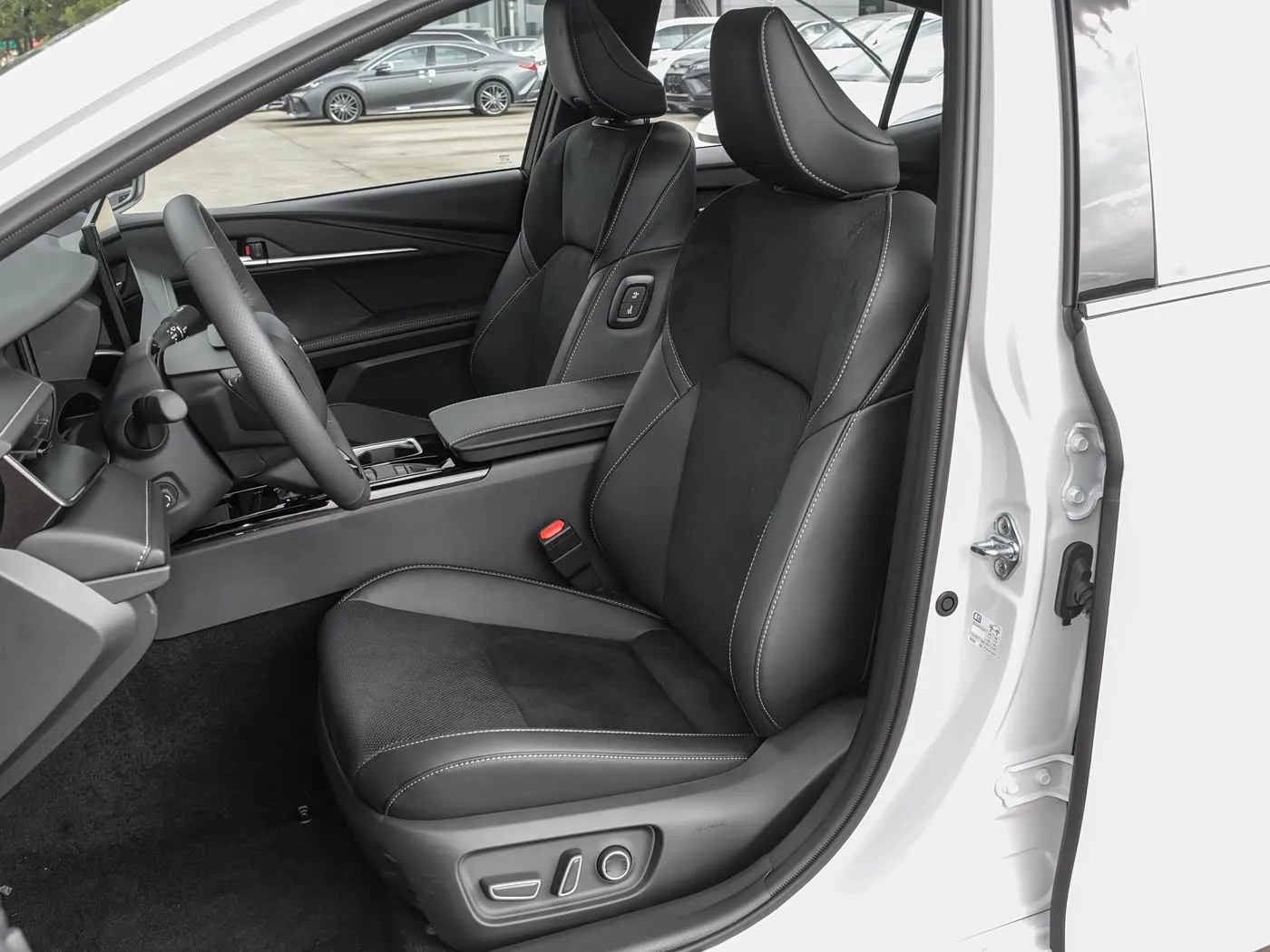
The construction of an electric 7-passenger SUV relies on a diverse array of materials. The chassis often utilizes high-strength steel (HSLA) and aluminum alloys to minimize weight while maintaining structural integrity. Aluminum, particularly 6061-T6 and 7075-T6, is prevalent in body panels and suspension components due to its favorable strength-to-weight ratio and corrosion resistance. The battery pack, the most substantial component by weight and cost, employs lithium-ion battery cells, typically utilizing Nickel Manganese Cobalt (NMC) or Lithium Iron Phosphate (LFP) chemistries. These chemistries dictate energy density, cycle life, and thermal stability. Manufacturing involves several key processes: stamping and welding for the chassis; aluminum die-casting and injection molding for body panels; and automated assembly of the battery pack, including cell interconnection, thermal management system integration (typically liquid cooling utilizing ethylene glycol mixtures), and enclosure sealing. Powertrain manufacturing focuses on electric motor production – often utilizing permanent magnet synchronous motors (PMSM) – requiring precise winding of copper coils and rotor assembly with neodymium magnets. Critical parameter control includes maintaining tight tolerances in battery cell matching (voltage and capacity) to optimize pack performance and longevity. Welding processes (laser welding, resistance spot welding) must adhere to ISO 14592 standards to ensure weld integrity and prevent fatigue cracking. The exterior utilizes polypropylene-based plastics for bumpers and cladding, requiring careful control of UV stabilizers to prevent degradation. Interior components utilize a mix of fabrics, polymers, and recycled materials, demanding adherence to volatile organic compound (VOC) emission standards.
Performance & Engineering
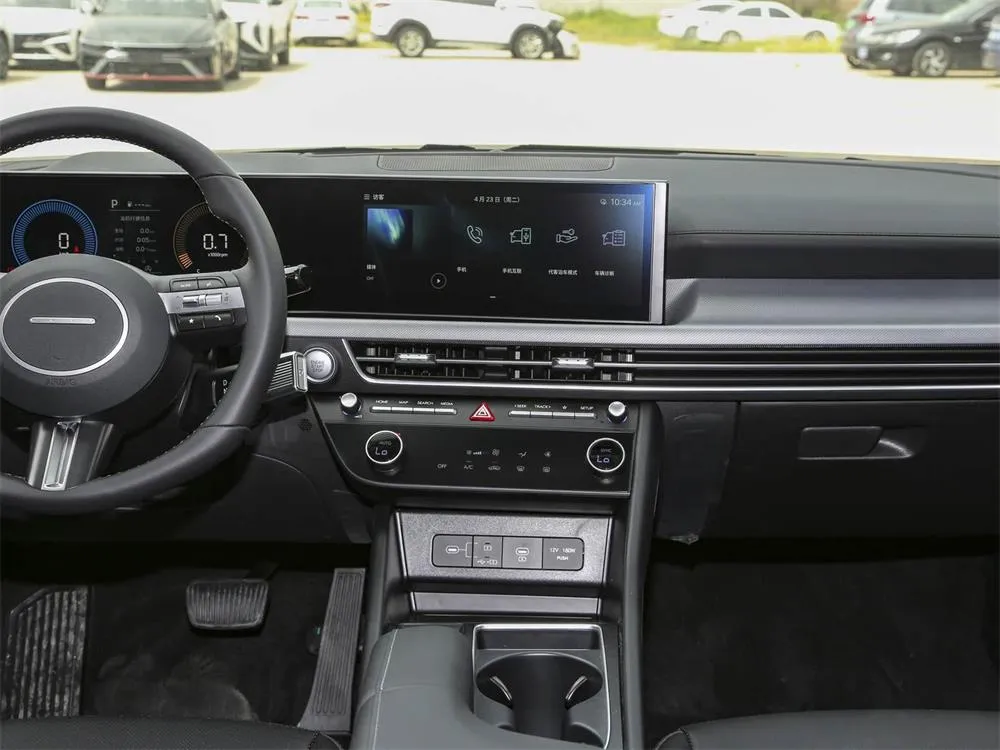
Performance analysis of an electric 7-passenger SUV centers around several key engineering domains. Force analysis during crash testing is paramount, demanding compliance with FMVSS 208 (Occupant Protection) and ECE R94/R95 (Crashworthiness). Vehicle dynamics are modeled using multi-body simulation software to optimize handling and stability. The powertrain’s efficiency, expressed as Wh/km, is critical for maximizing range. This is directly affected by motor efficiency, inverter efficiency, and aerodynamic drag (Cd value). Thermal management is a significant engineering challenge. The battery pack generates substantial heat during charging and discharging, necessitating a robust cooling system to maintain optimal operating temperature (typically 20-40°C). Environmental resistance considerations include corrosion protection (especially for underbody components exposed to road salt), and resistance to temperature extremes. Compliance requirements extend beyond safety to encompass electromagnetic compatibility (EMC – CISPR 25 standards) to prevent interference with other electronic devices, and radio frequency (RF) emission regulations. ADAS functionality, including adaptive cruise control, lane keeping assist, and automatic emergency braking, relies on sensor fusion algorithms integrating data from cameras, radar, and LiDAR. The structural design must accommodate the weight of the battery pack and provide sufficient space for passenger comfort. Range calculations necessitate meticulous modeling of energy consumption under various driving conditions (urban, highway, hills) and accounting for auxiliary loads (HVAC, lighting).
Technical Specifications
| Parameter | Unit | Typical Value | Test Standard |
|---|---|---|---|
| Battery Capacity | kWh | 80-120 | IEC 62133 |
| Range (WLTP) | km | 400-600 | WLTP |
| Charging Time (DC Fast Charging, 10-80%) | min | 30-60 | ISO 15118 |
| Maximum Power Output | kW | 200-300 | SAE J1772 |
| 0-100 km/h Acceleration | s | 6-8 | ISO 6469 |
| Drag Coefficient (Cd) | - | 0.28-0.32 | ISO 1188 |
Failure Mode & Maintenance
Electric 7-passenger SUVs are susceptible to several potential failure modes. Battery degradation, characterized by reduced capacity and increased internal resistance, is a primary concern, influenced by factors like temperature, charge/discharge cycles, and state of charge (SoC) management. Thermal runaway, a hazardous condition involving uncontrolled heat generation within the battery pack, can occur due to cell damage or short circuits. Electric motor failures can stem from bearing wear, insulation breakdown, or inverter malfunctions. Suspension component fatigue cracking, particularly in aluminum alloys, is another potential issue, exacerbated by road vibrations and corrosion. Software glitches affecting ADAS functionality can lead to system errors or unintended behavior. Maintenance procedures include regular battery health checks (SoH assessment), coolant level monitoring (for thermal management systems), brake pad and rotor inspections, tire rotation and alignment, and software updates. Preventative maintenance is critical for extending battery life and ensuring optimal performance. Failure analysis of battery packs often involves post-mortem examination of cells to identify root causes of degradation or thermal runaway. Non-destructive testing (NDT) methods, such as ultrasonic inspection, can detect hidden cracks in suspension components. Corrosion prevention measures, including undercoating and rustproofing, are essential for vehicles operating in harsh environments.
Industry FAQ
Q: What is the expected lifespan of the battery pack in a wholesale electric 7-passenger SUV?
A: The expected lifespan is typically 8-10 years or 160,000-200,000 km, but this is heavily dependent on usage patterns, charging habits, and climate. Degradation is typically assessed based on a 20% capacity loss threshold. Warranty terms generally cover battery pack replacement or refurbishment if capacity falls below this threshold within the specified period.
Q: How does the charging infrastructure impact the viability of these vehicles for fleet operators?
A: Adequate charging infrastructure is critical. Fleet operators require access to both Level 2 AC charging for overnight charging and DC fast charging for en-route top-ups. The availability and reliability of these charging stations, as well as the charging speed, directly impacts operational efficiency and cost-effectiveness.
Q: What are the key differences between NMC and LFP battery chemistries in the context of these SUVs?
A: NMC batteries offer higher energy density, resulting in longer range, but are more expensive and have slightly lower thermal stability. LFP batteries are more affordable, exhibit superior thermal stability and cycle life, but have lower energy density, leading to shorter range.
Q: How are electric SUVs engineered to meet stringent safety standards, particularly regarding battery fire risks?
A: Safety features include robust battery pack enclosures, thermal management systems with emergency shutdown capabilities, battery monitoring systems (BMS) to prevent overcharging and overheating, and fire suppression systems. Crash testing is rigorously conducted to ensure the battery pack remains intact during collisions.
Q: What role does regenerative braking play in maximizing the efficiency of these vehicles?
A: Regenerative braking captures kinetic energy during deceleration and converts it back into electrical energy, which is then stored in the battery. This significantly improves energy efficiency, particularly in urban driving conditions, and extends the vehicle’s range. The efficiency of regenerative braking varies depending on driving conditions and system calibration.
Conclusion
Wholesale electric 7-passenger SUVs represent a rapidly evolving segment of the automotive industry, driven by increasing demand for sustainable transportation and advancements in battery technology. The successful deployment of these vehicles relies on a holistic engineering approach encompassing material selection, manufacturing process control, rigorous performance testing, and proactive failure mode analysis. Maintaining a balance between range, capacity, cost, and safety is paramount.
Future developments will likely focus on increasing battery energy density, reducing charging times, improving thermal management systems, and integrating more sophisticated ADAS features. Furthermore, standardization of charging infrastructure and advancements in battery recycling technologies are crucial for the long-term viability of the electric SUV market.