
Apr . 01, 2024 17:55 Back to list
sedan hybrid cars quotes Engineering Analysis
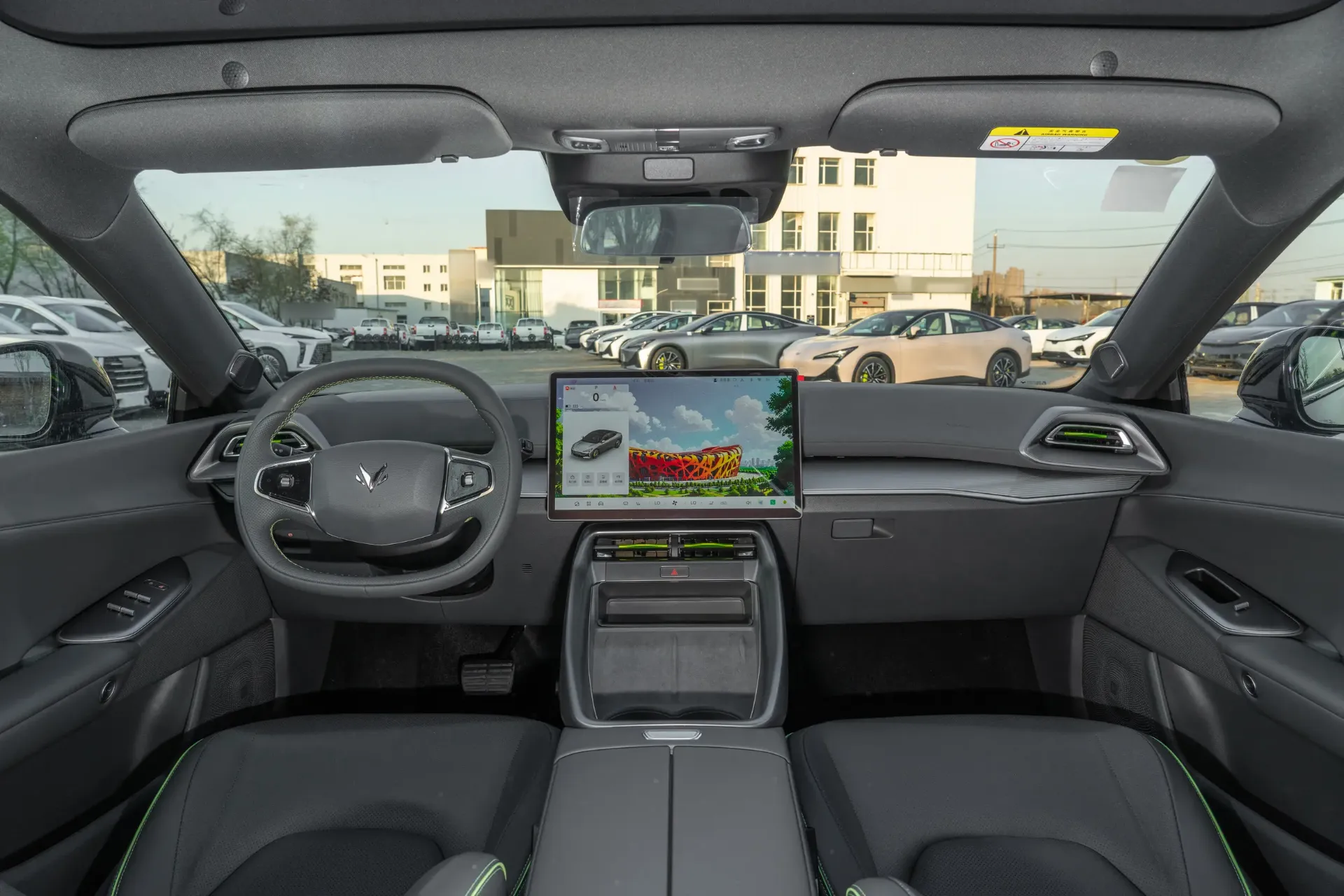
Introduction
Sedan hybrid cars represent a sophisticated convergence of internal combustion engine (ICE) technology and electrochemical energy storage systems. In the contemporary automotive industry chain, the hybrid sedan serves as a critical transitional technology between traditional petroleum-based mobility and full electrification. The core performance of these vehicles is defined by their ability to optimize thermal efficiency through the Atkinson cycle and integrate regenerative braking systems to recover kinetic energy. From a technical standpoint, the value proposition encapsulated in sedan hybrid cars quotes is not merely a reflection of market pricing, but a calculation of total cost of ownership (TCO) involving fuel economy metrics, battery degradation curves, and the structural integrity of the dual-powertrain architecture. This guide provides an exhaustive engineering analysis of the materials, thermodynamics, and failure modes associated with these high-efficiency vehicles.
Material Science & Manufacturing
The manufacturing of sedan hybrid vehicles requires a rigorous approach to material science to offset the added weight of the hybrid battery pack while maintaining structural rigidity and safety. The chassis typically employs a combination of High-Strength Low-Alloy (HSLA) steels and 6000-series aluminum alloys to achieve an optimal strength-to-weight ratio. In the powertrain, the transition to hybrid systems necessitates the use of advanced ceramics and heat-resistant alloys in the exhaust and cooling systems to handle the fluctuating thermal loads inherent in stop-start cycles.
From a chemical perspective, the energy storage system is the most critical component. Modern hybrid sedans utilize Nickel-Metal Hydride (NiMH) or Lithium-ion (Li-ion) chemistries. Li-ion cells involve complex layering of cathode materials (such as Lithium Cobalt Oxide or Lithium Iron Phosphate) and anode materials (typically graphite), separated by a microporous polymer membrane. The manufacturing process involves precision slurry coating, calendering, and vacuum-sealed assembly to prevent electrolyte leakage and oxidation. Furthermore, the electric motor utilizes high-grade neodymium-iron-boron (NdFeB) permanent magnets, which are sintered under high pressure to ensure maximum magnetic flux density and coherence, directly impacting the vehicle's torque output and efficiency.
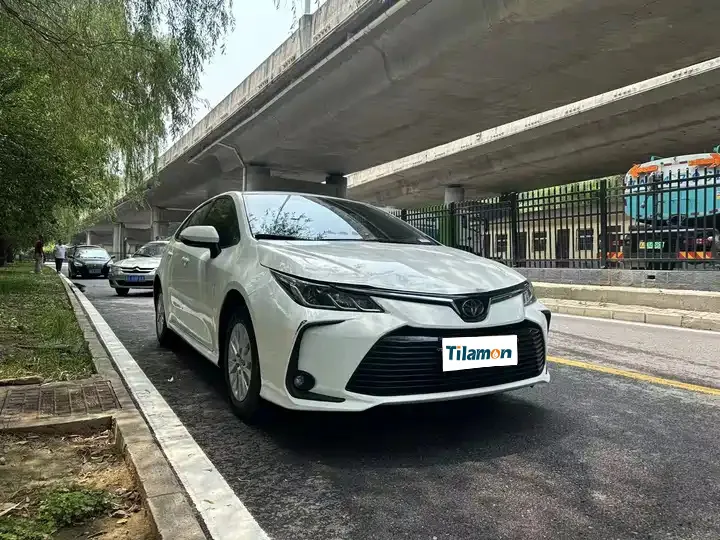
Performance & Engineering
The engineering excellence of a hybrid sedan lies in its Power Split Device (PSD), typically a planetary gear set that manages the distribution of power between the internal combustion engine and the electric motors. Force analysis reveals that the integration of an electric motor provides instantaneous torque, which reduces the mechanical stress on the ICE during high-load acceleration phases, thereby extending the engine's operational lifespan. Thermal management is equally paramount; hybrid sedans employ dual-loop cooling systems—one for the engine and a dedicated low-temperature loop for the inverter and battery pack to prevent thermal runaway and maintain optimal ion conductivity.
Compliance with environmental regulations requires stringent control over the Moisture Vapor Transmission Rate (MVTR) of battery housing seals and the use of low-VOC (Volatile Organic Compound) interior materials. The engineering of the regenerative braking system involves a complex interplay between hydraulic friction brakes and electromagnetic resistance. When the driver decelerates, the motor acts as a generator, converting kinetic energy back into electrical energy stored in the high-voltage battery. This process not only improves fuel efficiency by 20-35% in urban environments but also significantly reduces the wear rate of brake pads and discs, shifting the maintenance cycle from mechanical replacement to software optimization.
Technical Specifications
| Technical Dimension | HEV (Standard Hybrid) | PHEV (Plug-in Hybrid) | ICE (Traditional Sedan) | BEV (Full Electric) |
|---|---|---|---|---|
| Energy Source | Gasoline + Battery | Gasoline + External Charge | Gasoline/Diesel | Electric Only |
| Battery Capacity | 1.0 - 2.0 kWh | 8.0 - 18.0 kWh | N/A (12V Starter) | 40.0 - 100.0 kWh |
| Thermal Efficiency | 38% - 41% | 35% - 40% | 25% - 32% | >90% (Motor) |
| Regenerative Braking | Active / High | Active / High | None / Minimal | Active / Maximum |
| Transmission Type | e-CVT / Planetary | Automatic / DCT | Automatic / Manual | Single Speed / Reducer |
| Emissions (g/km) | Low (70-110) | Ultra-Low (20-60) | High (150-220) | Zero (Tailpipe) |
Failure Mode & Maintenance
The failure analysis of hybrid sedans diverges from traditional vehicles due to the introduction of high-voltage electronics. A primary failure mode is battery capacity fade, which occurs through the gradual growth of the Solid Electrolyte Interphase (SEI) layer on the anode, increasing internal resistance and reducing the state-of-charge (SOC) efficiency. This degradation is accelerated by extreme thermal cycling—excessive heat during fast charging or extreme cold inhibiting ion mobility. Maintenance involves periodic health checks of the Battery Management System (BMS) to balance cell voltages and prevent premature cell death.
Another critical failure mode is the degradation of the inverter's power modules, specifically the Insulated-Gate Bipolar Transistors (IGBTs). Thermal fatigue can lead to solder joint cracking or delamination between the silicon chip and the ceramic substrate, resulting in catastrophic power loss. Furthermore, the cooling system is susceptible to electrolysis if the dielectric coolant is not replaced according to specifications, leading to internal corrosion of the cooling channels. Professional maintenance mandates the use of non-conductive, specialized coolants and the inspection of high-voltage orange cabling for insulation abrasion or rodent-induced damage, which could lead to ground faults.
Industry FAQ
Q: How does the Atkinson cycle contribute to the efficiency mentioned in hybrid sedan quotes?
A: The Atkinson cycle delays the closing of the intake valve, allowing a portion of the air-fuel mixture to be pushed back into the intake manifold during the compression stroke. This results in a longer expansion stroke than compression stroke, extracting more work from the combustion process and significantly increasing thermal efficiency, although it reduces low-end torque, which is compensated for by the electric motor.
Q: What is the impact of battery chemistry on the long-term resale value of a hybrid sedan?
A: Resale value is heavily tied to the State of Health (SOH) of the battery. NiMH batteries are known for extreme longevity and stability, whereas Li-ion offers higher energy density but is more susceptible to degradation if not managed by a sophisticated BMS. A certified battery health report is often a prerequisite for maintaining high valuation in second-hand markets.
Q: Are hybrid transmissions more prone to failure than traditional automatic transmissions?
A: Paradoxically, the e-CVT (electronic Continuously Variable Transmission) used in many hybrids is often more durable because it utilizes a planetary gear set with no belts or chains that can slip or snap. The primary "wear" components are the bearings and the electric motor windings, which have significantly fewer moving parts than a traditional torque-converter automatic.
Q: How does the regenerative braking system affect the maintenance of the braking hardware?
A: Regenerative braking reduces the reliance on friction brakes by using the electric motor to slow the vehicle. This significantly lowers the wear rate of brake pads and rotors, often extending their lifespan by 2 to 3 times compared to non-hybrid sedans. However, this can lead to "brake glazing" if the friction brakes are not used frequently enough to clear surface oxidation.
Q: What are the risks of using non-OEM batteries in hybrid sedans?
A: Using non-OEM batteries can lead to BMS incompatibility, where the vehicle's computer cannot accurately read the SOC or SOH of the cells. This may lead to overcharging or deep discharging, causing permanent cell damage or, in extreme cases, thermal runaway. OEM batteries are precision-matched for internal resistance to ensure balanced charging.
Conclusion
The technical architecture of the hybrid sedan is a masterclass in mechatronic integration, balancing the high energy density of liquid fuels with the high efficiency of electric propulsion. By optimizing the synergy between the Atkinson cycle engine and the permanent magnet synchronous motor, these vehicles achieve a performance profile that minimizes carbon output without compromising the range and convenience required by the global consumer market. The technical density of these systems necessitates a shift in automotive maintenance from mechanical overhaul to electronic diagnostic management.
Looking forward, the evolution of hybrid sedans will likely focus on the adoption of solid-state batteries to eliminate the risk of thermal runaway and further increase volumetric energy density. As international emissions standards tighten, the integration of AI-driven predictive energy management will allow hybrid systems to optimize power flow in real-time based on GPS topography and traffic patterns, ensuring that the value reflected in sedan hybrid cars quotes continues to align with genuine engineering advancement and environmental sustainability.