
Apr . 01, 2024 17:55 Back to list
old car product Performance Analysis
Introduction
Automotive protective covers, specifically those designed for classic and stored vehicles (“old car product”), represent a critical component in long-term preservation and value retention. Beyond simple dust mitigation, these covers address a complex interplay of environmental factors affecting vehicle condition. This guide details the materials science, manufacturing processes, performance characteristics, failure modes, and maintenance protocols associated with high-quality automotive protective covers. The automotive preservation market has shifted from basic fabric dust covers to multi-layered, breathable, and UV-resistant solutions driven by collector demands and the increasing value of classic automobiles. Core performance characteristics include moisture management, UV protection, scratch resistance, and overall durability, dictating the lifespan of the vehicle beneath. This document serves as a technical deep-dive for procurement professionals, restoration specialists, and automotive enthusiasts seeking a comprehensive understanding of this often-overlooked but vital product category.
Material Science & Manufacturing
The production of automotive protective covers relies on a diverse range of materials, each selected for specific performance attributes. Outer layers frequently utilize woven polyester or polypropylene, chosen for their abrasion resistance and relatively low cost. However, premium covers employ solution-dyed acrylic fabrics, offering superior UV resistance and colorfastness. Intermediate layers incorporate a critical component: a microporous membrane, typically constructed from polyethylene or polypropylene. This membrane allows moisture vapor to escape, preventing condensation buildup that can lead to corrosion and mildew. The innermost layer, in direct contact with the vehicle’s surface, is often composed of soft, non-woven polypropylene or flannel to minimize scratching. Manufacturing processes vary based on cover complexity. Simple covers are often cut and sewn, employing industrial-grade sewing machines and UV-resistant thread. More complex, form-fitted covers utilize CAD/CAM cutting technology to ensure precise dimensions and pattern alignment. Seam construction is critical; double-stitched and reinforced seams are essential to prevent tearing under stress. Parameter control during manufacturing includes monitoring fabric tension, stitch density, and membrane integrity. Quality control involves rigorous testing for air permeability, water repellency, and UV degradation resistance. The choice of materials significantly impacts the cover's breathability, as measured by its Moisture Vapor Transmission Rate (MVTR) – a crucial metric for preventing corrosion. Chemical compatibility of the materials with automotive paints, coatings, and trim is also paramount to avoid staining or discoloration.
Performance & Engineering
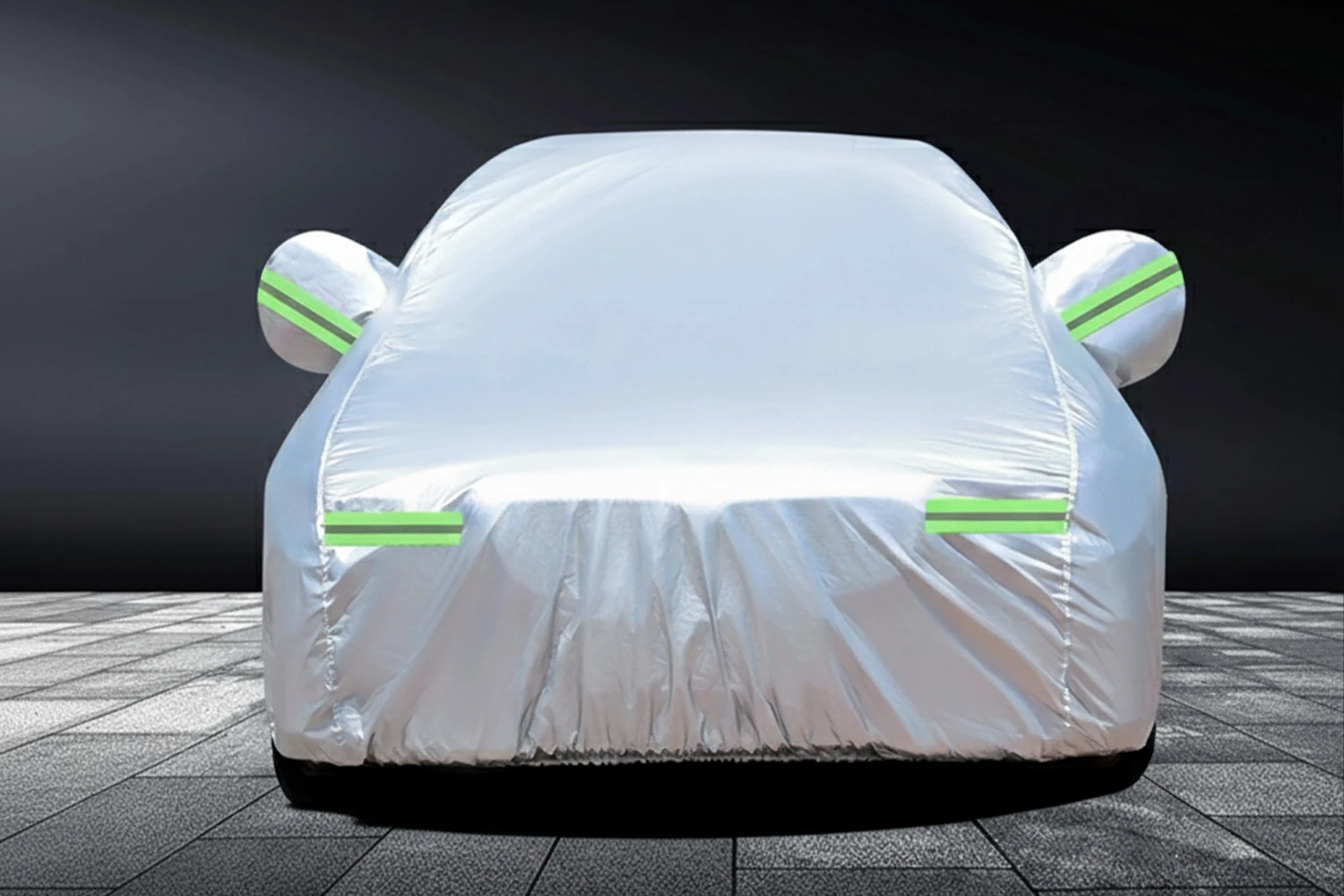
The performance of an automotive protective cover is governed by several engineering principles. Wind resistance is a primary concern, particularly for vehicles stored outdoors. Cover design must account for aerodynamic forces, incorporating strategically placed straps, buckles, and elasticized hems to prevent lifting and flapping. Tensile strength of the fabric is crucial to withstand these forces and prevent tearing. UV degradation is another significant factor. Prolonged exposure to ultraviolet radiation can cause polymer chain scission, leading to brittleness and loss of strength. UV absorbers are incorporated into the fabric during manufacturing to mitigate this effect. Furthermore, the cover's ability to shed water (hydrophobicity) is critical for preventing water damage and promoting evaporative drying. Environmental resistance extends beyond UV and water to encompass resistance to acid rain, bird droppings, and tree sap, all of which can damage automotive finishes. Compliance requirements include adherence to flammability standards (e.g., FMVSS 302 in the US) and restrictions on hazardous substances (e.g., REACH in Europe). Force analysis considers the weight of the cover itself, as well as the potential load from accumulated snow or debris. Proper cover fit is paramount; a loose-fitting cover can cause abrasion due to wind-induced movement, while an overly tight cover can create pressure points and damage the paint.
Technical Specifications
| Material Composition | Tensile Strength (MPa) | MVTR (g/m²/24h) | UV Protection (UPF) |
|---|---|---|---|
| Woven Polyester | 30-40 | 1000-2000 | 20-30 |
| Solution-Dyed Acrylic | 45-55 | 1500-2500 | 50+ |
| Microporous Polyethylene Membrane | 20-30 | 3000-5000 | N/A |
| Non-Woven Polypropylene | 15-25 | 500-1000 | 10-20 |
| Cover Weight (g/m²) | 150-250 | N/A | N/A |
| Water Repellency (Contact Angle - Degrees) | >110 | N/A | N/A |
Failure Mode & Maintenance
Automotive protective covers are susceptible to several failure modes. UV degradation remains a primary concern, leading to fabric embrittlement and discoloration over time. Abrasion from wind-blown debris can cause wear and tear, particularly in areas of high stress. Seam failure is common, resulting from thread breakage or material fatigue. Membrane delamination can compromise the cover’s breathability, leading to moisture buildup. Chemical attack from pollutants or automotive fluids can also degrade the fabric. Microbial growth (mold and mildew) can occur in humid environments, especially if the cover is not allowed to dry thoroughly. Fatigue cracking can develop in areas subjected to repeated flexing. Preventative maintenance includes regular cleaning to remove dirt and debris. Hand washing with a mild detergent is recommended; harsh chemicals can damage the fabric and membrane. Covers should be thoroughly dried before being stored or reused. Periodic inspection of seams and straps is essential to identify and repair any damage. Storage should be in a cool, dry, and well-ventilated area, away from direct sunlight. For extended storage, consider using a breathable storage bag. Replacing the cover every 3-5 years, or sooner if significant degradation is observed, is recommended to ensure optimal protection.
Industry FAQ
Q: What is the importance of MVTR in a car cover?
A: Moisture Vapor Transmission Rate (MVTR) is critical. A higher MVTR allows water vapor to escape from under the cover, preventing condensation which leads to corrosion, mildew, and paint damage. A low MVTR traps moisture, accelerating vehicle degradation.
Q: How does a solution-dyed acrylic fabric differ from standard polyester?
A: Solution-dyed acrylic has the color pigment integrated into the fiber itself during manufacturing, rather than applied to the surface. This results in significantly improved colorfastness and UV resistance, preventing fading and degradation over time.
Q: What level of UV protection should I expect from a premium car cover?
A: A premium car cover should offer a UPF (Ultraviolet Protection Factor) of 50+ meaning it blocks over 98% of harmful UV rays. This is essential for protecting the vehicle’s paint, interior, and rubber components from sun damage.
Q: What constitutes proper seam construction for a durable car cover?
A: Proper seam construction involves double-stitched seams with UV-resistant thread. Reinforcement at stress points (e.g., around straps and buckles) is also crucial. The stitch density should be high enough to ensure seam integrity under load.
Q: How often should I clean my car cover?
A: Cleaning frequency depends on the storage environment. In dusty or polluted areas, cleaning every 3-6 months is recommended. In cleaner environments, annual cleaning may suffice. Always hand wash with a mild detergent and allow to fully dry before reusing.
Conclusion
Automotive protective covers, while often considered an accessory, are integral to the preservation of classic and stored vehicles. The selection of appropriate materials – focusing on UV resistance, breathability (MVTR), and tensile strength – is paramount. Manufacturing processes must prioritize robust seam construction and precise fit to ensure long-term durability and effective protection.
Understanding the potential failure modes, such as UV degradation and seam failure, allows for proactive maintenance and timely replacement. Adherence to relevant standards and careful consideration of environmental factors contribute to maximizing the lifespan and protective capabilities of these essential automotive accessories. Investing in a high-quality cover is not merely about shielding a vehicle from the elements, but about safeguarding a significant financial and emotional investment.