
Apr . 01, 2024 17:55 Back to list
oem chinese electric car manufacturers Performance Engineering

Introduction
Original Equipment Manufacturer (OEM) Chinese electric car manufacturers represent a rapidly evolving segment within the global automotive industry. Their position in the value chain is increasingly significant, transitioning from primarily assembly and cost-competitive production to incorporating substantial engineering design and technological innovation. These manufacturers typically offer contract manufacturing services, complete vehicle platforms, or specialized components to both domestic and international automotive brands. Core performance characteristics defining this sector include battery energy density (Wh/kg), charging infrastructure compatibility (CCS, CHAdeMO, GB/T), powertrain efficiency (km/kWh), vehicle range (km), and adherence to increasingly stringent safety standards. A central pain point for international clients is ensuring consistent quality control, intellectual property protection, and supply chain transparency within the complex Chinese manufacturing landscape. Understanding material selection, manufacturing tolerances, and long-term durability is crucial when partnering with these OEMs.
Material Science & Manufacturing
The material selection in Chinese OEM electric vehicle production is driven by a balance of cost, weight reduction, and performance. High-strength low-alloy (HSLA) steels and advanced high-strength steels (AHSS) constitute the majority of the body-in-white, offering a compromise between formability, crashworthiness, and cost. Aluminum alloys (primarily 6061 and 7075 series) are increasingly utilized for body panels, battery enclosures, and suspension components to minimize weight and enhance efficiency. Battery pack construction relies heavily on lithium-ion battery chemistries, with NMC (Nickel Manganese Cobalt) and LFP (Lithium Iron Phosphate) currently dominating. LFP is gaining prominence due to its improved thermal stability and lower cost, despite a lower energy density. Manufacturing processes commonly employed include robotic welding (resistance spot welding, MIG/MAG, laser welding), aluminum die casting for structural components, and injection molding for interior and exterior plastic parts. Critical parameters during welding include weld current, voltage, and cooling rate to ensure joint integrity and prevent distortion. For aluminum die casting, precise control of mold temperature, injection pressure, and cooling channels is essential to minimize porosity and achieve desired mechanical properties. Fiber-reinforced polymer (FRP) composites, specifically carbon fiber reinforced polymers (CFRP), are seeing increased application in high-performance EVs for weight reduction, but remain cost-prohibitive for mass production. Material compatibility between dissimilar metals (e.g., aluminum and steel) requires careful consideration to mitigate galvanic corrosion through the application of appropriate coatings and isolation techniques.
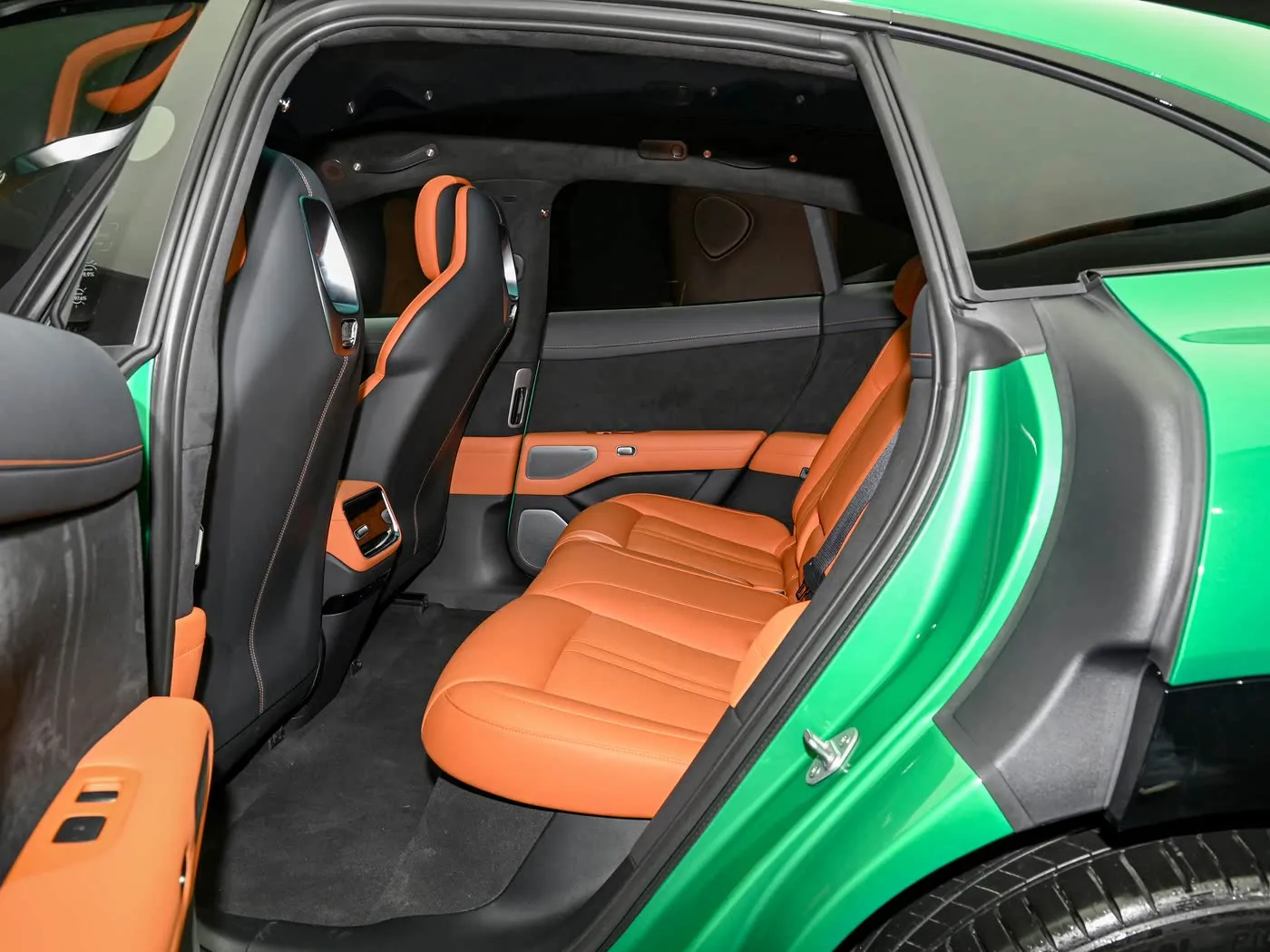
Performance & Engineering
Performance and engineering considerations for Chinese OEM electric cars center around maximizing range, optimizing charging efficiency, and ensuring structural integrity under various load conditions. Finite Element Analysis (FEA) is routinely used during the design phase to simulate crash performance, structural fatigue, and thermal management. Powertrain design focuses on optimizing motor efficiency, inverter performance, and gearbox ratios to minimize energy losses. Battery thermal management systems (BTMS) are crucial for maintaining optimal battery operating temperature, utilizing liquid cooling, air cooling, or phase-change materials. Vehicle dynamics are assessed through extensive simulations and physical testing, evaluating parameters such as handling stability, braking performance, and ride comfort. Compliance requirements include adherence to national and international safety standards (e.g., Euro NCAP, C-NCAP), electromagnetic compatibility (EMC) regulations, and battery safety certifications (e.g., UN 38.3). Environmental resistance is paramount; vehicles must withstand extreme temperatures, humidity, and corrosive environments. Corrosion prevention strategies include the use of corrosion-resistant coatings (e.g., e-coating, powder coating) and cathodic protection systems. Force analysis incorporates both static and dynamic loads, accounting for vehicle weight, passenger loads, aerodynamic forces, and impact forces. The degradation of battery performance over time is a key engineering challenge, requiring sophisticated battery management systems (BMS) and advanced cell chemistry to maintain long-term reliability.
Technical Specifications
| Parameter | Typical Value (Entry-Level EV) | Typical Value (Mid-Range EV) | Typical Value (High-Performance EV) |
|---|---|---|---|
| Battery Capacity (kWh) | 30-40 | 50-70 | 80-120 |
| Range (NEDC) (km) | 200-300 | 350-500 | 550-700 |
| Motor Power (kW) | 50-80 | 100-150 | 180-300 |
| 0-100 km/h Acceleration (s) | 10-15 | 7-10 | 4-6 |
| Charging Time (AC, 0-80%) (h) | 6-8 | 4-6 | 3-5 |
| Maximum Vehicle Speed (km/h) | 120-150 | 160-180 | 200+ |
Failure Mode & Maintenance
Failure modes in Chinese OEM electric vehicles can be broadly categorized into battery-related failures, powertrain failures, and structural failures. Battery degradation (loss of capacity and power output) is a common issue, accelerated by high temperatures, deep discharge cycles, and improper charging practices. Failure of battery cells can lead to thermal runaway and potentially fires. Powertrain failures can include motor winding insulation breakdown, inverter component failure (IGBTs), and gearbox bearing wear. Structural failures are typically related to fatigue cracking in welded joints, corrosion of body panels, and suspension component damage. Delamination of composite materials (if used) can occur due to impact damage or moisture ingress. Oxidation of electrical contacts and connectors can lead to increased resistance and intermittent electrical failures. Preventative maintenance includes regular battery health checks (SOC, SOH), inspection of cooling systems, lubrication of moving parts, and corrosion protection measures. Diagnostic tools such as OBD-II scanners and dedicated EV diagnostic systems are essential for identifying and resolving faults. Replacement of worn components, such as brake pads, tires, and suspension bushings, should be performed according to manufacturer recommendations. Addressing thermal runaway requires specialized fire suppression systems and trained personnel. Proactive monitoring of BMS data and prompt attention to warning indicators can significantly reduce the risk of catastrophic failures.
Industry FAQ
Q: What are the primary quality control challenges when sourcing from Chinese EV OEMs?
A: Maintaining consistent quality is a significant challenge. It necessitates rigorous vendor audits, detailed inspection protocols at multiple stages of production, and robust quality management systems (e.g., IATF 16949 certification). Focus on statistical process control (SPC) and capability studies to monitor process variations and ensure adherence to specifications. Independent third-party inspection services are often employed for added assurance.
Q: How can intellectual property (IP) be protected when collaborating with Chinese manufacturers?
A: A comprehensive IP protection strategy is essential. This includes non-disclosure agreements (NDAs), patents, and careful control over design documentation. Segmenting the manufacturing process and limiting access to sensitive information can also mitigate risks. Registering IP rights in China is crucial for enforcing legal protection.
Q: What are the typical lead times for complete vehicle production with a Chinese OEM?
A: Lead times vary depending on the complexity of the vehicle, the volume of orders, and the OEM's production capacity. Typically, expect a minimum of 6-12 months from design freeze to the start of production, with ramp-up taking an additional 3-6 months. Supply chain disruptions can significantly impact lead times.
Q: What is the level of engineering support typically offered by Chinese EV OEMs?
A: The level of engineering support varies considerably. Some OEMs offer comprehensive design and engineering services, while others primarily focus on manufacturing. It’s crucial to clearly define the scope of engineering support required in the contract and to assess the OEM’s technical capabilities.
Q: What are the common warranty terms offered by Chinese EV OEMs?
A: Warranty terms are generally comparable to those offered by established automotive manufacturers, typically covering the powertrain, battery, and other critical components for a period of 3-5 years or a specified mileage. However, warranty coverage can vary significantly between OEMs, so careful review of the warranty terms is essential.
Conclusion
The Chinese OEM electric vehicle manufacturing sector presents both opportunities and challenges for international partners. Its rapid development, cost-competitiveness, and increasing technical capabilities make it an attractive sourcing option. However, success hinges on a thorough understanding of material science, manufacturing processes, performance engineering, and potential failure modes. A proactive approach to quality control, IP protection, and supply chain management is critical.
Looking ahead, further advancements in battery technology, autonomous driving systems, and intelligent manufacturing will likely shape the future of this industry. Continued collaboration between international brands and Chinese OEMs will be essential for driving innovation and accelerating the transition to electric mobility. Emphasis on sustainable manufacturing practices and adherence to global standards will solidify the position of Chinese OEMs in the global automotive market.