
Apr . 01, 2024 17:55 Back to list
odm fully electric suvs company Technical Analysis

Introduction
Original Design Manufacturing (ODM) for fully electric SUVs represents a critical segment within the rapidly evolving automotive industry. This guide details the technical considerations surrounding the design, manufacture, and performance of these vehicles. The industry faces challenges relating to battery technology advancement, vehicle weight reduction, thermal management, and adherence to stringent safety standards. ODMs offer a solution for companies seeking to enter the EV market without significant upfront investment in design and tooling. Core performance metrics encompass range, charging time, acceleration, and overall vehicle efficiency. This document provides a comprehensive analysis of these factors, crucial for procurement managers, engineers, and quality control personnel involved in the EV supply chain.
Material Science & Manufacturing
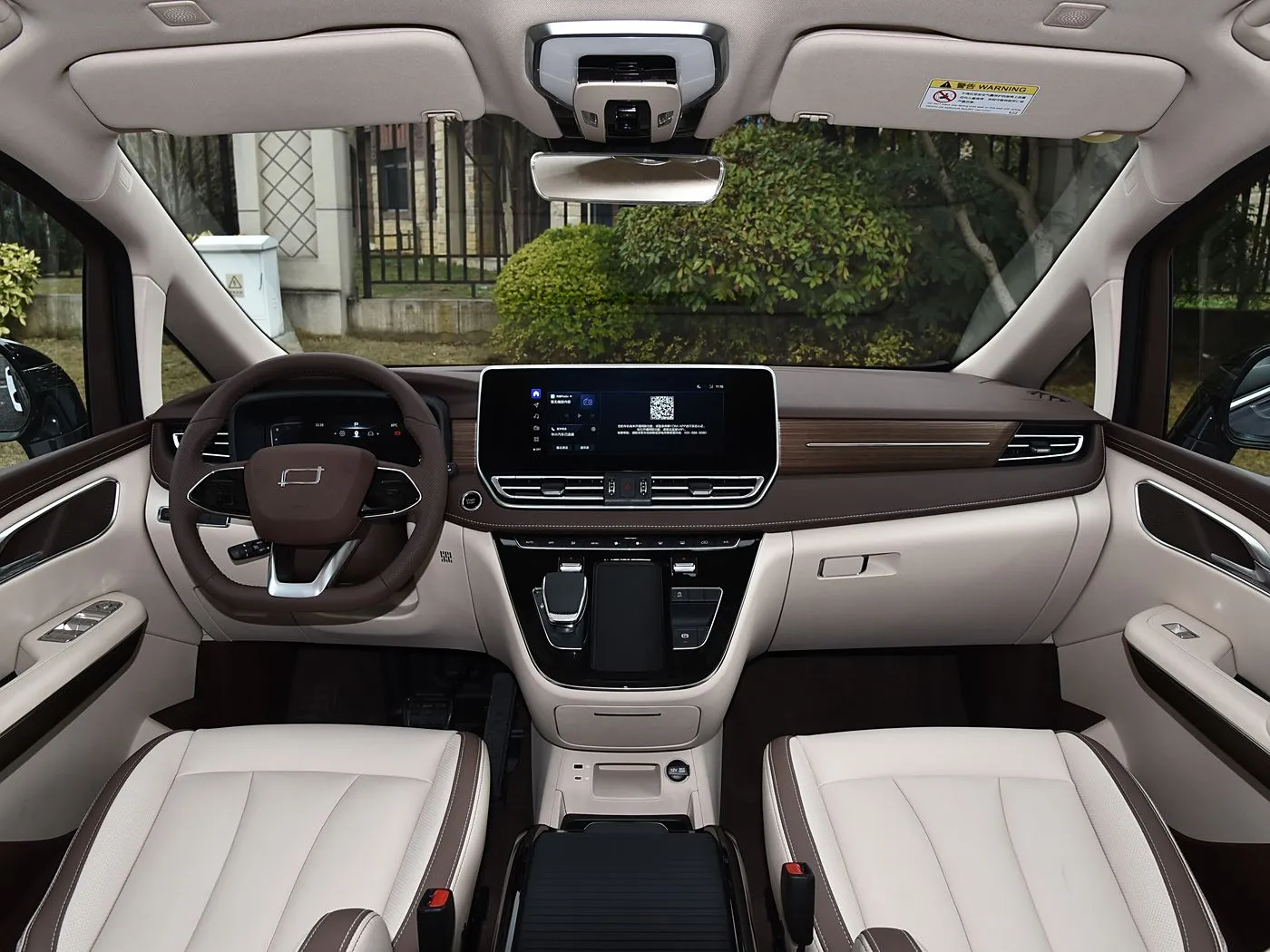
The construction of an ODM fully electric SUV relies heavily on advanced materials and manufacturing processes. The chassis frequently utilizes high-strength steel alloys (e.g., 1000 MPa yield strength) and aluminum alloys (e.g., 6061-T6) to balance structural integrity with weight reduction. Battery enclosures are typically composed of aluminum due to its corrosion resistance and ease of forming. Battery cell chemistry dominates performance; Lithium-Nickel-Manganese-Cobalt Oxide (NMC) and Lithium Iron Phosphate (LFP) are prevalent. NMC provides higher energy density but requires more sophisticated thermal management. LFP offers improved safety and cycle life at a lower cost, but with reduced energy density. Manufacturing processes include: 1) Battery pack assembly: Precise cell welding (laser welding is common) and module integration with a Battery Management System (BMS). 2) Body-in-White (BIW) construction: Robotic welding, adhesive bonding, and laser cutting techniques. 3) Painting: Multi-stage electrostatic coating for corrosion protection and aesthetic appeal. 4) Powertrain integration: Motor, inverter, and gearbox assembly, demanding high precision to minimize noise and vibration. 5) Interior fabrication: Injection molding of plastic components, fabric cutting and sewing, and foam molding for seating. Critical parameter control centers on weld quality (penetration depth, heat affected zone), coating thickness and uniformity, and battery cell impedance matching. Material compatibility between electrolyte and enclosure materials is paramount to prevent corrosion and gas generation. The thermal conductivity of materials used in the battery pack is crucial for effective heat dissipation.
Performance & Engineering
Performance analysis of ODM electric SUVs requires detailed consideration of several engineering principles. Force analysis during crash scenarios is governed by regulations such as FMVSS 208 and ECE R94, demanding optimized energy absorption structures. Environmental resistance testing encompasses salt spray corrosion tests (ASTM B117), UV exposure tests (ASTM G154), and thermal cycling tests (-40°C to +85°C) to simulate real-world conditions. Battery thermal management is crucial; liquid cooling systems utilizing ethylene glycol-water mixtures are common, with pump flow rates and heat exchanger capacity meticulously engineered to maintain optimal cell temperatures. Regenerative braking systems convert kinetic energy back into electrical energy, enhancing efficiency. System design must account for electromagnetic compatibility (EMC) to prevent interference with other vehicle systems. Compliance requirements involve certifications related to battery safety (UL 2580), electromagnetic emissions (CISPR 25), and functional safety (ISO 26262). The vehicle’s center of gravity is a critical design parameter impacting handling and stability; battery pack placement significantly influences this. Aerodynamic drag is minimized through computational fluid dynamics (CFD) analysis and wind tunnel testing to maximize range. Motor efficiency, measured in percentage, directly affects the vehicle’s overall energy consumption.
Technical Specifications
| Parameter | Unit | Typical Value (SUV Class) | Tolerance |
|---|---|---|---|
| Battery Capacity | kWh | 75 | ± 5% |
| Range (WLTP) | km | 450 | ± 10% |
| 0-100 km/h Acceleration | s | 6.5 | ± 0.5 |
| Max. Power | kW | 200 | ± 5% |
| Charging Time (DC Fast Charging 0-80%) | min | 30 | ± 10% |
| Vehicle Weight | kg | 2100 | ± 50 |
Failure Mode & Maintenance
Failure modes in ODM electric SUVs are diverse. Battery degradation is a primary concern, manifesting as reduced capacity over time due to factors like calendar aging and cycle life limitations. Thermal runaway, a hazardous condition resulting from uncontrolled heat generation within the battery pack, can lead to fire. Fatigue cracking in chassis components can occur due to repeated stress, particularly in suspension systems. Degradation of insulation in high-voltage wiring can result in short circuits and electrical hazards. Corrosion of electrical connectors, especially in harsh environments, can disrupt system functionality. Delamination of composite body panels can compromise structural integrity. Regular maintenance is critical. Battery health checks (SOC, SOH, internal resistance) should be performed annually. Cooling system fluid levels and condition should be inspected. High-voltage wiring insulation should be assessed for damage. Brake system components (pads, rotors, calipers) require periodic inspection and replacement. Software updates are crucial for optimizing battery management, motor control, and safety systems. Preventative maintenance schedules should align with manufacturer recommendations and vehicle usage patterns. Failure analysis, utilizing techniques like Scanning Electron Microscopy (SEM) and X-ray Diffraction (XRD), is essential for identifying root causes and implementing corrective actions.
Industry FAQ
Q: What are the key considerations when selecting a battery supplier for an ODM EV program?
A: Battery suppliers should be evaluated based on cell performance (energy density, cycle life, safety), cost, scalability, and quality control processes. Traceability of raw materials and adherence to environmental regulations are also vital. A supplier’s ability to provide customized battery pack designs and BMS integration support is highly desirable.
Q: How can we mitigate the risk of thermal runaway in the battery pack?
A: Mitigation strategies include robust thermal management systems (liquid cooling, phase change materials), cell-level monitoring and protection circuits, fire suppression systems, and a structurally sound battery enclosure designed to contain and vent thermal events. Cell chemistry selection also plays a role, with LFP cells generally exhibiting higher thermal stability than NMC cells.
Q: What are the common challenges associated with integrating high-voltage systems in an EV?
A: Challenges include ensuring proper insulation and shielding to prevent electromagnetic interference (EMI), implementing robust safety interlocks and fault detection mechanisms, and complying with stringent high-voltage safety standards (e.g., IEC 60601). Qualified personnel and specialized tools are required for high-voltage system installation and maintenance.
Q: What type of testing is required to validate the structural integrity of an EV chassis?
A: Testing includes static load tests, dynamic vibration tests, crash tests (frontal, side, rear impact), and fatigue tests. Finite Element Analysis (FEA) simulations are used to predict structural behavior and optimize designs. Adherence to relevant safety standards (FMVSS, ECE) is paramount.
Q: How does the choice of motor technology (PMSM vs. Induction) affect vehicle performance and efficiency?
A: Permanent Magnet Synchronous Motors (PMSM) generally offer higher efficiency and power density but rely on rare earth materials. Induction motors are more robust and cost-effective but typically have lower efficiency. The optimal choice depends on the specific vehicle application and cost-performance trade-offs.
Conclusion
The successful ODM of fully electric SUVs demands a holistic understanding of material science, manufacturing processes, and engineering principles. Critical factors include optimizing battery technology for range and safety, ensuring structural integrity through advanced materials and design, and meticulously adhering to stringent safety and environmental regulations. A robust quality control system and proactive failure analysis are essential for long-term reliability.
Future advancements in EV technology will likely focus on solid-state batteries, wireless charging, and autonomous driving features. ODMs must remain adaptable and invest in research and development to maintain a competitive edge in this rapidly evolving market. The integration of artificial intelligence (AI) for predictive maintenance and energy management will further enhance the performance and efficiency of electric SUVs.