
Apr . 01, 2024 17:55 Back to list
New SUV Pricelist Performance Engineering
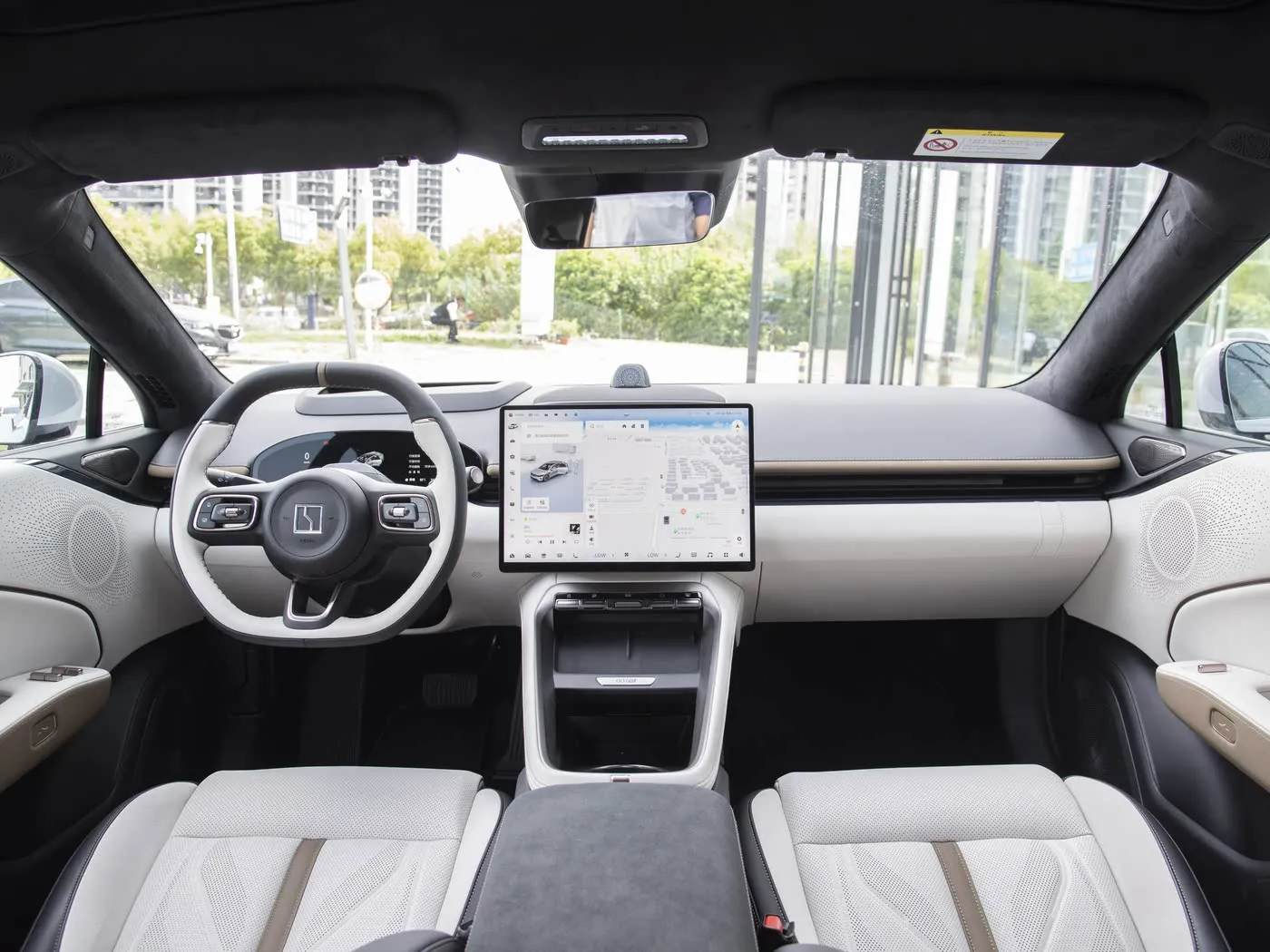
Introduction
New SUV pricelists represent a critical element in automotive procurement, extending beyond simple cost comparisons to encompass lifecycle value analysis, total cost of ownership (TCO) modeling, and increasingly, sustainability metrics. These pricelists are not merely static documents; they are dynamic representations of supply chain factors, manufacturing costs, market demand, and technological advancements. In the broader automotive industry chain, the pricelist functions as a nexus point between OEM (Original Equipment Manufacturer) strategy, dealership negotiations, and end-user purchasing decisions. Core performance indicators tied to these vehicles, such as fuel efficiency, safety ratings (NCAP, IIHS), and predicted resale value, are directly influenced by the initial pricing structure. Understanding the nuances of these pricelists requires a detailed examination of vehicle configuration options, incentive programs, and regional market variations. Furthermore, evolving regulatory standards impacting vehicle emissions and safety features exert substantial pressure on pricing models, necessitating continual adaptation by manufacturers and dealerships.
Material Science & Manufacturing
Modern SUVs utilize a complex interplay of materials, primarily high-strength steel, aluminum alloys, polymers, and increasingly, carbon fiber reinforced polymers (CFRP) in premium models. High-strength steel, particularly Advanced High-Strength Steel (AHSS), provides structural rigidity and crashworthiness while minimizing weight. Aluminum alloys are deployed in body panels, engine blocks, and suspension components to further reduce mass and enhance fuel efficiency. Polymer materials, including polypropylene (PP), acrylonitrile butadiene styrene (ABS), and polycarbonate (PC), are employed extensively in interior trim, dashboards, and exterior cladding, balancing cost-effectiveness with durability and aesthetic appeal. The manufacturing process begins with steel and aluminum coil processing, involving stamping, deep drawing, and hydroforming to create body-in-white (BIW) components. These components are then assembled via robotic welding – a critical parameter is weld penetration depth and consistency, impacting structural integrity. Polymer parts are typically manufactured through injection molding, requiring precise control of mold temperature, injection pressure, and cooling rates to ensure dimensional accuracy and prevent defects like warping or sink marks. Paint application involves multi-stage processes including electrocoating, primer application, base coating, and clear coating, with stringent quality control measures to ensure corrosion resistance and surface finish. The increasing adoption of CFRP necessitates automated fiber placement (AFP) and resin transfer molding (RTM) processes, demanding precise fiber orientation and resin infusion to maximize strength-to-weight ratios.

Performance & Engineering
SUV performance and engineering are fundamentally governed by principles of vehicle dynamics, powertrain efficiency, and structural integrity. Force analysis under various loading conditions – acceleration, braking, cornering, impact – is critical in designing suspension systems, chassis components, and safety structures. Suspension design often incorporates independent suspension systems (MacPherson strut, double wishbone) to optimize ride comfort and handling. Powertrain engineering focuses on optimizing internal combustion engine (ICE) efficiency through technologies like direct injection, turbocharging, and variable valve timing, or transitioning to electric powertrains with battery management systems (BMS) and electric motor control. Environmental resistance is a key consideration; corrosion protection is achieved through galvanizing, e-coating, and the use of corrosion-resistant alloys. Compliance requirements are stringent, encompassing federal motor vehicle safety standards (FMVSS) in the US, European Whole Vehicle Type Approval (WVTA) in Europe, and equivalent regulations in other regions. Functional implementation includes advanced driver-assistance systems (ADAS) such as automatic emergency braking (AEB), lane departure warning (LDW), and adaptive cruise control (ACC), requiring sophisticated sensor integration and software algorithms. Aerodynamic drag is minimized through computational fluid dynamics (CFD) analysis and wind tunnel testing, optimizing vehicle shape to reduce fuel consumption and improve stability at high speeds.
Technical Specifications
| Model | Engine Displacement (L) | Horsepower (hp) | Torque (lb-ft) |
|---|---|---|---|
| Compact SUV A | 2.0 | 180 | 195 |
| Mid-Size SUV B | 3.5 | 280 | 260 |
| Luxury SUV C | 2.9 (Supercharged V6) | 340 | 332 |
| Electric SUV D | N/A (Battery Capacity: 75 kWh) | 258 | 317 |
| Hybrid SUV E | 2.5 (Hybrid) | 215 (Combined) | 221 |
| Full-Size SUV F | 5.3 | 355 | 383 |
Failure Mode & Maintenance
SUV failure modes are diverse, ranging from powertrain issues to structural fatigue and electrical system malfunctions. Fatigue cracking in suspension components (control arms, struts) is common, initiated by repeated stress cycles and exacerbated by corrosion. Delamination of paint layers can occur due to inadequate surface preparation or exposure to UV radiation and extreme temperatures. Degradation of rubber seals and hoses leads to fluid leaks (oil, coolant, brake fluid). Oxidation of fuel lines and fuel tanks results in reduced fuel efficiency and potential fuel leakage. Corrosion, particularly in regions with high salt exposure (road salt), affects underbody components and body panels. Electrical failures can stem from connector corrosion, wiring harness damage, or battery degradation (in electric/hybrid models). Maintenance solutions involve regular inspection of suspension components for cracks or wear, application of corrosion inhibitors, periodic replacement of rubber components, and thorough checks of fluid levels and electrical connections. Preventive maintenance schedules, as outlined in the vehicle owner’s manual, are crucial for mitigating these failure modes. Diagnostic scanning with OBD-II readers can identify fault codes and guide repair efforts. For electric vehicles, battery health monitoring and thermal management system checks are paramount.
Industry FAQ
Q: What are the key differences in pricing strategies between manufacturers offering traditional ICE SUVs versus electric SUVs?
A: ICE SUV pricing is heavily influenced by engine displacement, transmission type, and trim levels, with cost variations driven by manufacturing complexity and material costs. Electric SUV pricing is primarily dictated by battery capacity, motor output, and charging infrastructure capabilities. Due to the high cost of battery technology, electric SUVs often have a higher upfront cost but can offer lower TCO due to reduced fuel and maintenance expenses. Incentive programs and tax credits also play a significant role in electric SUV pricing.
Q: How do fluctuating raw material costs (steel, aluminum, lithium) impact SUV pricelists?
A: Fluctuations in raw material costs directly affect manufacturing expenses and are typically reflected in SUV pricelists. Increases in steel or aluminum prices lead to higher vehicle costs, which manufacturers may partially absorb or pass on to consumers. Lithium price volatility, particularly impacting electric vehicle battery production, can significantly influence the pricing of electric SUVs. Manufacturers employ hedging strategies and long-term supply contracts to mitigate these risks but ultimately, market forces dictate price adjustments.
Q: What role does Vehicle Identification Number (VIN) decoding play in accurately assessing the value represented by a specific pricelist entry?
A: VIN decoding is crucial for determining the precise configuration of a vehicle, including installed options, trim level, and factory specifications. This allows for accurate comparison of pricelist entries and ensures that the quoted price corresponds to the actual vehicle being offered. VIN decoding also reveals potential safety recalls or service bulletins associated with the vehicle.
Q: What are the typical margin expectations for dealerships when selling new SUVs, and how does this impact final pricing?
A: Dealership margins on new SUV sales typically range from 6% to 10%, varying based on brand, model, and regional market competition. These margins cover dealership operating expenses, sales commissions, and profit. Dealerships have some flexibility in negotiating prices within these margin parameters, influenced by inventory levels and sales targets. Manufacturer incentives and promotions can further impact final pricing.
Q: How are Total Cost of Ownership (TCO) calculations used to justify higher initial pricelists for certain SUV models (e.g., electric SUVs)?
A: TCO calculations consider the entire lifecycle cost of a vehicle, including purchase price, fuel/electricity costs, maintenance expenses, insurance premiums, and resale value. While electric SUVs may have a higher initial purchase price, their lower fuel and maintenance costs can result in a lower TCO over the vehicle's lifespan, justifying the initial investment.
Conclusion
The analysis of new SUV pricelists is a multifaceted endeavor, demanding a deep understanding of materials science, manufacturing processes, performance engineering, and industry regulations. Accurate interpretation of these pricelists requires considering not only the initial purchase price but also the long-term costs associated with ownership, environmental impact, and evolving technological advancements. The increasing complexity of SUV technology, particularly in the realm of electrification and ADAS, necessitates a data-driven approach to procurement and lifecycle management.
Future trends in SUV pricing will likely be shaped by continued advancements in battery technology, autonomous driving capabilities, and sustainable manufacturing practices. Transparency in pricing structures and standardized TCO calculations will be crucial for informed decision-making. Furthermore, the integration of digital platforms for price comparison and negotiation will empower consumers and drive greater competition within the automotive industry.