
Apr . 01, 2024 17:55 Back to list
new electric car pricelist Performance Analysis

Introduction
New Electric Car Pricelists represent a crucial component in the automotive industry's transition towards sustainable transportation. This document details the engineering, material composition, and performance parameters influencing pricing structures for battery electric vehicles (BEVs). The automotive industry chain positions pricelists not merely as retail offerings, but as dynamic indicators of technological advancements in battery chemistry, motor efficiency, and manufacturing processes. Core performance considerations driving pricelist development include range, charging speed, acceleration, and total cost of ownership (TCO). A primary pain point for manufacturers is balancing component cost – particularly battery packs – with competitive pricing and projected profitability, necessitating detailed material science understanding and optimized production techniques. Furthermore, compliance with evolving safety and emissions standards significantly impacts overall vehicle cost and, consequently, pricing strategies.
Material Science & Manufacturing
The manufacturing of electric vehicles relies on a complex interplay of material science disciplines. Key materials include high-strength low-alloy (HSLA) steel and aluminum alloys for the chassis and body panels, offering a balance of structural integrity and weight reduction. Battery packs are predominantly composed of lithium-ion cells, with variations in cathode materials (NMC, NCA, LFP) directly affecting energy density, cycle life, and thermal stability. Motor stators utilize electrical steel laminations to minimize hysteresis losses, while rotor magnets often employ neodymium-iron-boron (NdFeB) alloys for high magnetic flux density. The manufacturing process involves several critical stages: stamping and welding for body-in-white construction; multi-layer painting for corrosion protection and aesthetics; battery module and pack assembly incorporating thermal management systems; and motor assembly with precise winding and balancing. Parameter control is paramount, specifically in battery cell formation (voltage, current, temperature), welding processes (heat input, shielding gas), and paint application (layer thickness, curing temperature). Chemical compatibility between battery electrolytes and pack materials is vital to prevent degradation and ensure long-term safety. Injection molding of plastic components requires careful control of resin viscosity, mold temperature, and cooling rates to minimize warpage and ensure dimensional accuracy.
Performance & Engineering
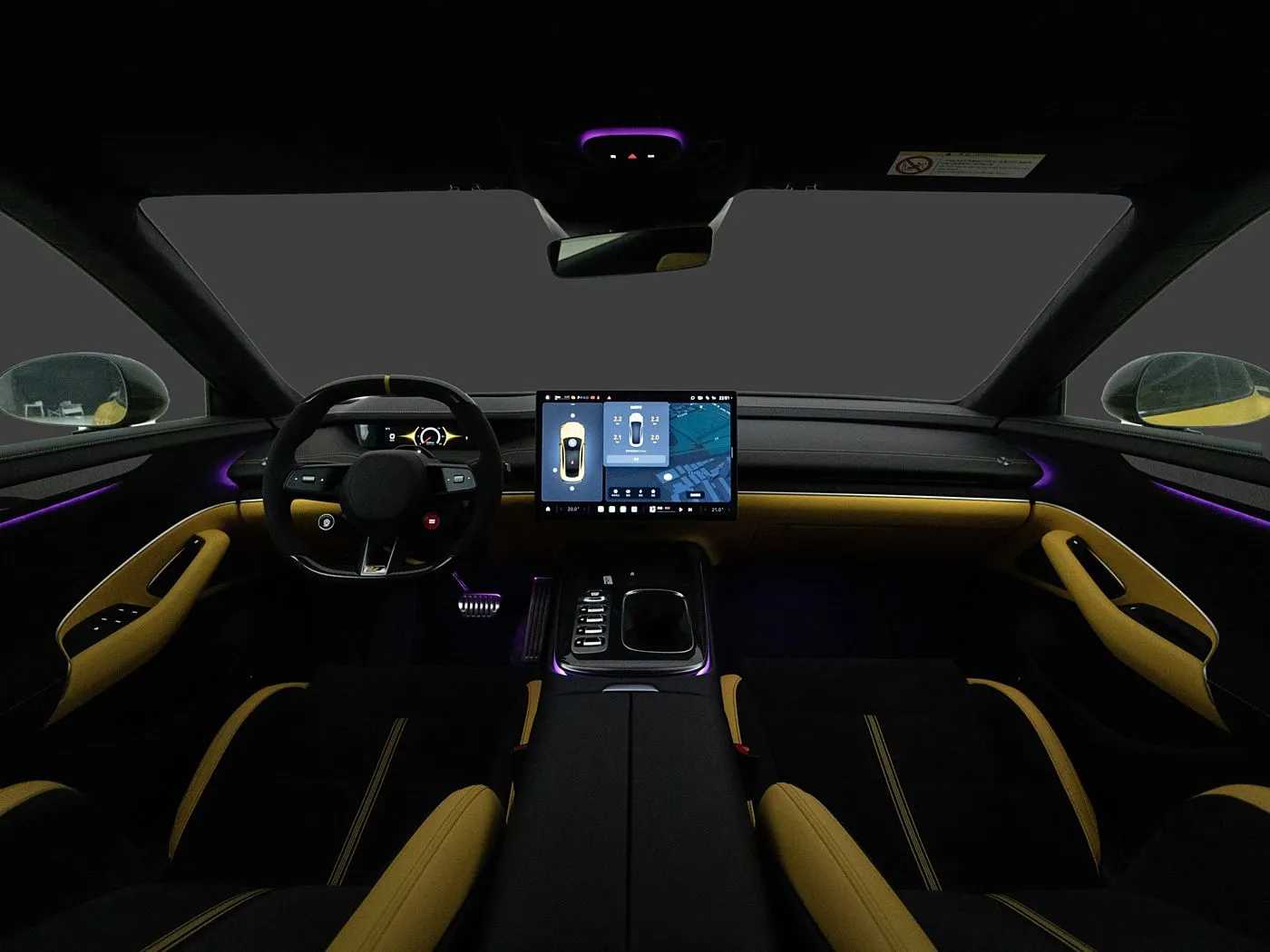
Electric vehicle performance is dictated by a complex interplay of mechanical, electrical, and thermal engineering principles. Force analysis focuses on vehicle dynamics during acceleration, braking, and cornering, demanding robust suspension systems and optimized weight distribution. Environmental resistance is critical; vehicles must withstand extreme temperatures, humidity, and exposure to road salts. Compliance with regulations such as FMVSS (Federal Motor Vehicle Safety Standards) and ECE regulations requires extensive testing for crashworthiness, electromagnetic compatibility (EMC), and functional safety (ISO 26262). Functional implementation of battery management systems (BMS) is central to optimizing range and lifespan. The BMS monitors cell voltages, temperatures, and currents, implementing charge/discharge control algorithms and fault detection mechanisms. Thermal management is achieved through liquid cooling systems, employing heat exchangers and pumps to maintain optimal battery temperature. Electric motor design considerations include maximizing torque density, minimizing losses, and ensuring efficient heat dissipation. Regenerative braking systems recover kinetic energy during deceleration, enhancing energy efficiency and extending range. The interplay of these factors directly impacts the vehicle's overall performance characteristics and, thus, its perceived value influencing the pricelist.
Technical Specifications
| Model | Battery Capacity (kWh) | Range (Miles, EPA) | 0-60 mph (Seconds) |
|---|---|---|---|
| Base Model | 55 | 250 | 5.8 |
| Mid-Range Model | 75 | 330 | 4.9 |
| Long Range Model | 100 | 400 | 3.7 |
| Performance Model | 100 | 380 | 3.1 |
| Extended Range Model | 120 | 450 | 4.2 |
| Luxury Model | 120 | 420 | 3.5 |
Failure Mode & Maintenance
Electric vehicles, while generally reliable, are susceptible to specific failure modes. Battery degradation is a primary concern, manifesting as reduced capacity and range over time due to factors like dendrite formation, electrolyte decomposition, and thermal cycling. Fatigue cracking in suspension components and body structures can occur due to repeated stress and vibration. Delamination of battery cell layers can lead to internal short circuits and thermal runaway. Degradation of electrical connectors and wiring harnesses results in increased resistance and potential for overheating. Oxidation of aluminum components in cooling systems reduces heat transfer efficiency. Preventative maintenance includes regular battery health checks, inspection of suspension components, and lubrication of moving parts. Battery cooling system fluid levels should be monitored and replenished as necessary. Electrical connections should be inspected for corrosion and tightness. Software updates are crucial for optimizing BMS performance and addressing potential vulnerabilities. Proper charging practices – avoiding extreme states of charge and rapid charging when unnecessary – can significantly extend battery lifespan. Failure analysis relies on techniques like impedance spectroscopy, scanning electron microscopy (SEM), and X-ray diffraction (XRD) to pinpoint the root cause of failures and implement corrective actions.
Industry FAQ
Q: What is the impact of raw material price fluctuations (lithium, cobalt, nickel) on EV pricelists?
A: Fluctuations in raw material prices have a direct and significant impact. These materials constitute a substantial portion of battery pack cost. Increases in lithium, cobalt, or nickel prices necessitate price adjustments in the final vehicle cost to maintain profitability. Manufacturers employ strategies like long-term supply contracts, vertical integration (investing in mining operations), and exploring alternative battery chemistries (LFP) to mitigate these risks.
Q: How does the charging infrastructure affect the perceived value and pricing of EVs?
A: The availability and reliability of charging infrastructure are critical to EV adoption and influence perceived value. Limited charging infrastructure diminishes the convenience of EVs and can lower resale values, requiring manufacturers to offer competitive pricing to offset this disadvantage. Investments in fast-charging networks and home charging solutions are crucial for enhancing consumer confidence and supporting higher pricelists.
Q: What role does battery thermal management play in determining the long-term cost of ownership (TCO) and, consequently, the initial price?
A: Effective thermal management is paramount for maximizing battery lifespan and minimizing degradation. Superior thermal management systems translate into slower capacity fade, enabling longer battery warranties and reducing the need for early replacements. These benefits contribute to lower TCO, allowing manufacturers to justify potentially higher initial prices.
Q: How do different battery chemistries (NMC, NCA, LFP) impact the pricelist, considering factors like energy density, cycle life, and safety?
A: Different battery chemistries offer distinct trade-offs. NMC and NCA chemistries provide high energy density, resulting in longer ranges, but tend to be more expensive and have lower thermal stability. LFP chemistries are more affordable, safer, and exhibit longer cycle life, but have lower energy density. Manufacturers strategically select battery chemistries based on target market segment and price point. LFP batteries are increasingly prevalent in entry-level and mid-range EVs, while NMC/NCA remain common in premium models.
Q: What safety standards and certifications are essential for EV pricelists, and how do they contribute to the overall vehicle cost?
A: Compliance with stringent safety standards like UN ECE R100 (electric vehicle safety), UL 2580 (battery safety), and ISO 26262 (functional safety) is non-negotiable. These certifications necessitate extensive testing, validation, and implementation of safety features, adding to vehicle development and manufacturing costs. However, adherence to these standards is crucial for ensuring consumer safety and building trust, ultimately justifying higher pricelists.
Conclusion
The development of new electric car pricelists is a multifaceted undertaking deeply rooted in material science, manufacturing precision, and rigorous engineering analysis. Understanding the interplay between battery chemistry, thermal management, and safety standards is essential for creating vehicles that are not only environmentally responsible but also economically viable. Optimizing these parameters while navigating fluctuating raw material costs and evolving regulatory landscapes demands a holistic and data-driven approach.
Looking forward, advancements in solid-state battery technology, improved battery recycling processes, and the expansion of charging infrastructure will likely reshape EV pricelists in the coming years. Manufacturers who prioritize innovation, sustainability, and cost efficiency will be best positioned to thrive in this rapidly evolving market. Continued investment in research and development is crucial for unlocking the full potential of electric mobility and making EVs accessible to a broader range of consumers.