
Apr . 01, 2024 17:55 Back to list
high quality new ev suv company Performance Analysis
Introduction
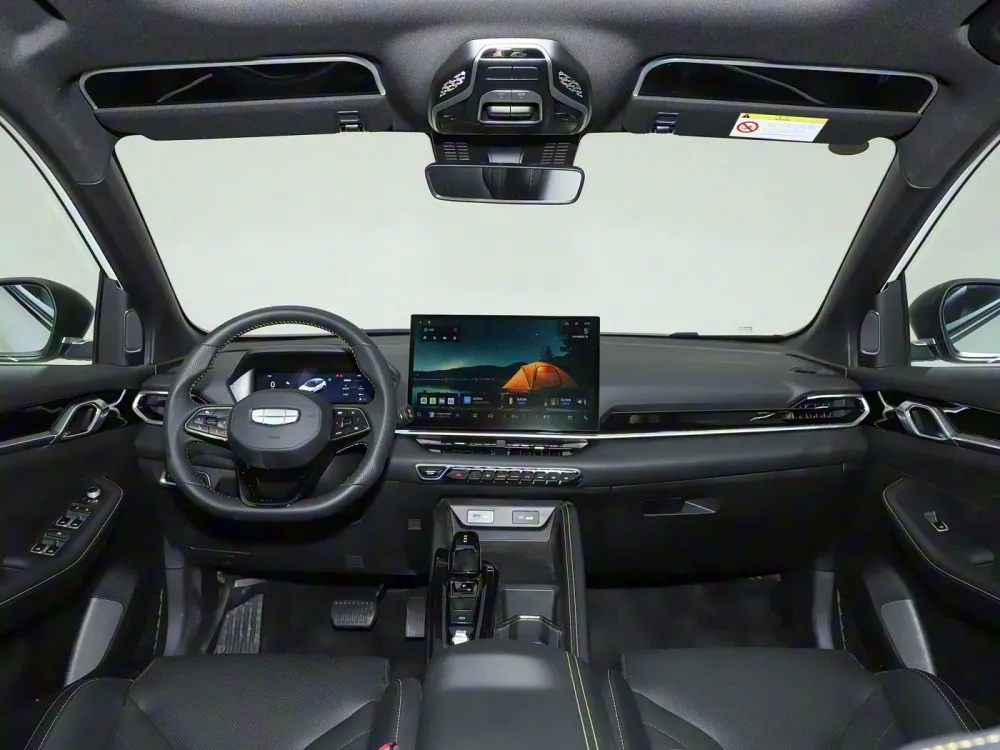
Electric Sport Utility Vehicles (EV SUVs) represent a rapidly evolving segment within the automotive industry, driven by increasing environmental concerns and advancements in battery technology. This technical guide focuses on the engineering and material science underpinning high-quality new EV SUV construction, specifically examining critical aspects of performance, safety, and longevity. The EV SUV, positioned within the automotive value chain as a final assembly product, integrates components from diverse sectors including battery manufacturing, electric motor production, and advanced materials processing. Core performance characteristics defining quality in this sector are range, charging time, acceleration, thermal management efficiency, and structural integrity, all of which are directly influenced by material selection and manufacturing processes. The increasing demand necessitates a deep understanding of the interplay between these factors to deliver robust, reliable, and efficient vehicles.
Material Science & Manufacturing
The manufacturing of a high-quality EV SUV relies heavily on advanced material science and precision engineering. The body-in-white (BIW) typically utilizes high-strength steel (HSS) and aluminum alloys to achieve a balance between structural rigidity and weight reduction. HSS, such as DP600 and TRIP700, provides excellent formability and crash energy absorption, while aluminum alloys (6061, 7075) contribute to reduced vehicle mass, improving energy efficiency. Battery pack construction relies on lithium-ion battery cells, typically utilizing Nickel Manganese Cobalt (NMC) or Lithium Iron Phosphate (LFP) chemistries. These cells are assembled into modules and then into a complete pack, requiring precise thermal management systems incorporating materials like ethylene glycol and specialized polymers for coolant pathways. Manufacturing processes include robotic welding (resistance spot welding, laser welding) for BIW assembly, adhesive bonding for joining dissimilar materials (aluminum to steel), and injection molding for producing plastic components. Key parameter control during welding involves monitoring current, pressure, and weld time to ensure joint strength and prevent distortion. Aluminum body panel manufacturing often employs hydroforming for complex shapes, requiring meticulous control of hydraulic pressure and tooling temperature. Polymer component production demands precise temperature and pressure control during injection molding to achieve desired mechanical properties and dimensional accuracy. Furthermore, advanced fiber reinforced polymers (CFRP) are increasingly used for structural components requiring high strength-to-weight ratios, demanding controlled resin infusion and curing processes.
Performance & Engineering
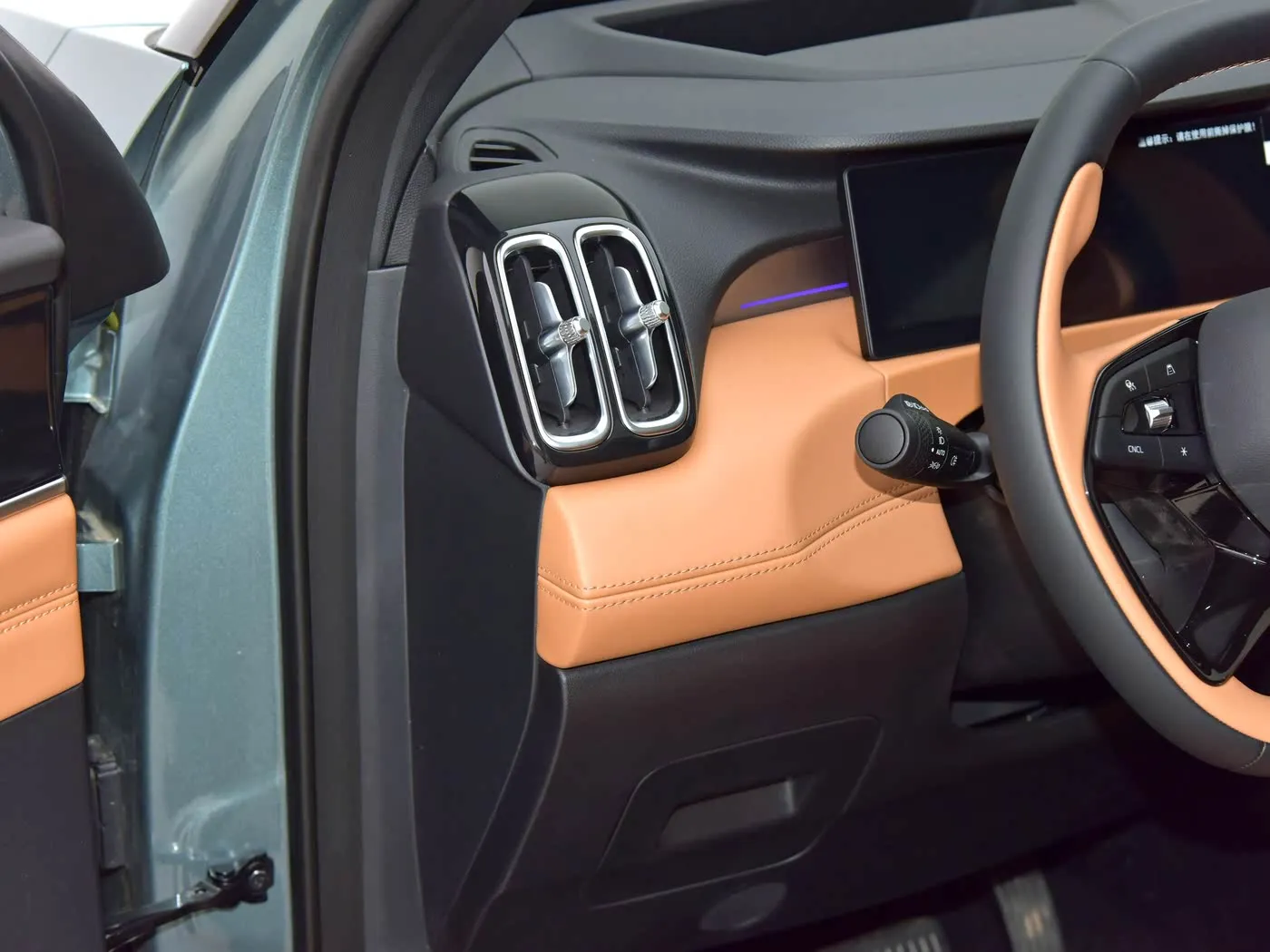
The performance of an EV SUV is fundamentally governed by its powertrain, battery system, and chassis design. Force analysis is critical in optimizing vehicle dynamics, including simulations of crash scenarios (frontal, side, rollover) to ensure passenger safety. Finite Element Analysis (FEA) is employed extensively to model stress distribution within the BIW, identifying potential weak points and optimizing material thickness. The electric motor's performance—torque, power, efficiency—directly impacts acceleration and range. Thermal management is paramount, requiring efficient heat dissipation from the battery pack and electric motor to prevent overheating and maintain optimal performance. This involves utilizing liquid cooling systems with precisely engineered heat exchangers and pumps. Environmental resistance is a key engineering consideration. EV SUVs must withstand a range of operating conditions, including extreme temperatures, humidity, and exposure to road salts. Corrosion protection strategies include the use of galvanized steel, aluminum alloys with protective coatings, and specialized polymers resistant to chemical degradation. Compliance requirements, such as FMVSS (Federal Motor Vehicle Safety Standards) in the US and ECE regulations in Europe, dictate specific safety features and performance criteria. Functional implementation of advanced driver-assistance systems (ADAS) – automatic emergency braking, lane keeping assist – requires careful integration of sensors (radar, lidar, cameras) and sophisticated software algorithms, ensuring reliable and accurate operation under diverse conditions. Battery management systems (BMS) play a crucial role in optimizing battery life and safety by monitoring cell voltage, temperature, and current, preventing overcharge and over-discharge conditions.
Technical Specifications
| Parameter | Unit | Typical Value (High Quality EV SUV) | Testing Standard |
|---|---|---|---|
| Battery Capacity | kWh | 75 - 100 | IEC 62133 |
| Range (WLTP) | km | 450 - 600 | WLTP (Worldwide Harmonised Light Vehicles Test Procedure) |
| 0-100 km/h Acceleration | s | 4.5 - 6.0 | ISO 6469 |
| Charging Time (DC Fast Charging, 10-80%) | min | 30 - 45 | CHAdeMO/CCS |
| Drag Coefficient (Cd) | - | 0.28 - 0.32 | ISO 3889-1 |
| Torsional Rigidity | Nm/deg | 20,000 - 25,000 | Company Internal Standard |
Failure Mode & Maintenance
EV SUVs, while generally reliable, are susceptible to specific failure modes. Battery degradation is a primary concern, manifesting as reduced range and performance over time due to chemical changes within the cells. This is accelerated by high charge/discharge cycles and exposure to extreme temperatures. Fatigue cracking can occur in the BIW, particularly in areas subjected to high stress concentrations (e.g., suspension mounting points). Thermal runaway in the battery pack, although rare with proper BMS control, is a catastrophic failure mode involving uncontrolled heat generation and potential fire. Delamination of CFRP components can occur due to moisture ingress or impact damage, reducing structural integrity. Oxidation and corrosion of electrical connectors and wiring can lead to intermittent faults or complete system failure. Maintenance strategies include regular battery health checks using diagnostic tools, visual inspection of the BIW for signs of corrosion or cracking, and proper cleaning of electrical connectors to prevent oxidation. Preventive maintenance on the cooling system (fluid checks, hose inspections) is crucial for maintaining optimal thermal management. Regular software updates for the BMS and ADAS systems are essential to address bug fixes and improve performance. Detailed inspection of suspension components and steering systems should be performed at specified intervals to identify wear and tear, ensuring safe handling characteristics. Proper tire inflation and rotation are also critical for maximizing range and minimizing tire wear.
Industry FAQ
Q: What is the expected lifespan of an EV SUV battery pack, and what factors influence it?
A: A typical EV SUV battery pack is expected to last 8-10 years or 160,000-200,000 kilometers. Lifespan is influenced by several factors, including charging habits (frequent DC fast charging accelerates degradation), operating temperature (extreme heat or cold reduces capacity), depth of discharge (avoiding full discharge is beneficial), and driving style (aggressive acceleration and braking contribute to wear).
Q: How does the use of different materials in the BIW affect crash safety and vehicle weight?
A: High-strength steel (HSS) provides excellent crash energy absorption capabilities, enhancing occupant safety. Aluminum alloys reduce vehicle weight, improving energy efficiency but generally offer lower crash energy absorption per unit weight compared to HSS. Modern BIW designs often combine both materials strategically to optimize the balance between safety and weight reduction.
Q: What are the key considerations for ensuring thermal stability and preventing thermal runaway in the battery pack?
A: Robust thermal management systems are crucial, including liquid cooling with efficient heat exchangers and pumps. The Battery Management System (BMS) continuously monitors cell voltage, temperature, and current, preventing overcharge and over-discharge conditions. Cell chemistry selection (e.g., LFP is inherently more thermally stable than NMC) also plays a significant role. Physical separation of cells and modules provides an additional layer of safety.
Q: How do ADAS features contribute to overall vehicle safety, and what are the potential failure modes associated with these systems?
A: ADAS features like automatic emergency braking and lane keeping assist actively mitigate collision risks, enhancing overall vehicle safety. Potential failure modes include sensor malfunction (due to dirt, debris, or weather conditions), software errors, and communication issues between components. Redundancy and fail-safe mechanisms are incorporated to minimize the impact of these failures.
Q: What are the environmental implications of EV SUV battery production and disposal?
A: Battery production requires significant energy and resources, including lithium, cobalt, and nickel. Responsible sourcing of these materials is critical. End-of-life battery disposal is a growing concern, requiring effective recycling processes to recover valuable materials and minimize environmental impact. Second-life applications for used batteries (e.g., energy storage systems) are also being explored.
Conclusion
The development and manufacturing of high-quality EV SUVs represent a complex interplay of material science, engineering expertise, and advanced manufacturing processes. Achieving optimal performance, safety, and longevity requires a holistic approach encompassing robust BIW design, efficient thermal management, sophisticated battery management systems, and adherence to stringent industry standards. The choice of materials, particularly in the BIW and battery pack, dictates critical performance characteristics and influences vehicle weight, crash safety, and range.
Looking ahead, continued innovation in battery technology, lightweight materials, and manufacturing techniques will further enhance the capabilities and sustainability of EV SUVs. Focus areas include developing solid-state batteries with higher energy density and improved safety, exploring alternative materials to reduce reliance on critical minerals, and implementing circular economy principles to minimize waste and maximize resource utilization. The ongoing evolution of these technologies promises a future where EV SUVs play an increasingly prominent role in sustainable transportation.