
Apr . 01, 2024 17:55 Back to list
high quality new energy automobile company Performance Engineering

Introduction
New energy automobiles (NEVs) represent a paradigm shift in automotive engineering, driven by increasing environmental concerns and advancements in battery technology. This guide focuses on the critical engineering considerations for high-quality NEV production, encompassing material selection, manufacturing processes, performance optimization, and long-term reliability. NEVs, including battery electric vehicles (BEVs), plug-in hybrid electric vehicles (PHEVs), and fuel cell electric vehicles (FCEVs), necessitate a holistic engineering approach beyond traditional internal combustion engine (ICE) vehicles. The core performance differentiators for high-quality NEVs lie in energy density, charging infrastructure compatibility, thermal management, safety systems, and overall vehicle efficiency. This document details these facets from a B2B industrial technology perspective, outlining material science complexities, manufacturing precision requirements, and adherence to stringent international standards. A critical pain point in the NEV industry is maintaining consistent battery performance and longevity, alongside ensuring structural integrity under dynamic loads and corrosive environmental conditions. This guide provides in-depth analysis addressing these challenges.
Material Science & Manufacturing
The materials landscape of NEVs is considerably different from that of ICE vehicles. High-strength, low-alloy (HSLA) steels and advanced high-strength steels (AHSS) constitute the primary structural components, chosen for their high tensile strength and energy absorption capabilities during collisions. Aluminum alloys (6000 and 7000 series) are extensively used in body panels and chassis components to reduce weight, contributing to increased energy efficiency. Carbon fiber reinforced polymers (CFRP) are implemented in high-performance applications, demanding precise fiber layup and resin infusion techniques. The battery pack itself is a complex assembly relying on lithium-ion battery chemistries (NMC, NCA, LFP). Raw material purity, electrolyte composition, and electrode fabrication are crucial parameters. Manufacturing processes include robotic welding with stringent quality control for seam integrity, adhesive bonding utilizing structural adhesives (epoxies, acrylics) to join dissimilar materials, and multi-layer painting processes for corrosion protection. Key parameter control during battery cell assembly includes maintaining a controlled atmosphere (low humidity, inert gas purging) to prevent electrolyte degradation and ensuring uniform electrode coating thickness for optimized performance. Thermal management systems rely on materials with high thermal conductivity, such as aluminum nitride and graphite composites, coupled with precision machining and brazing techniques.
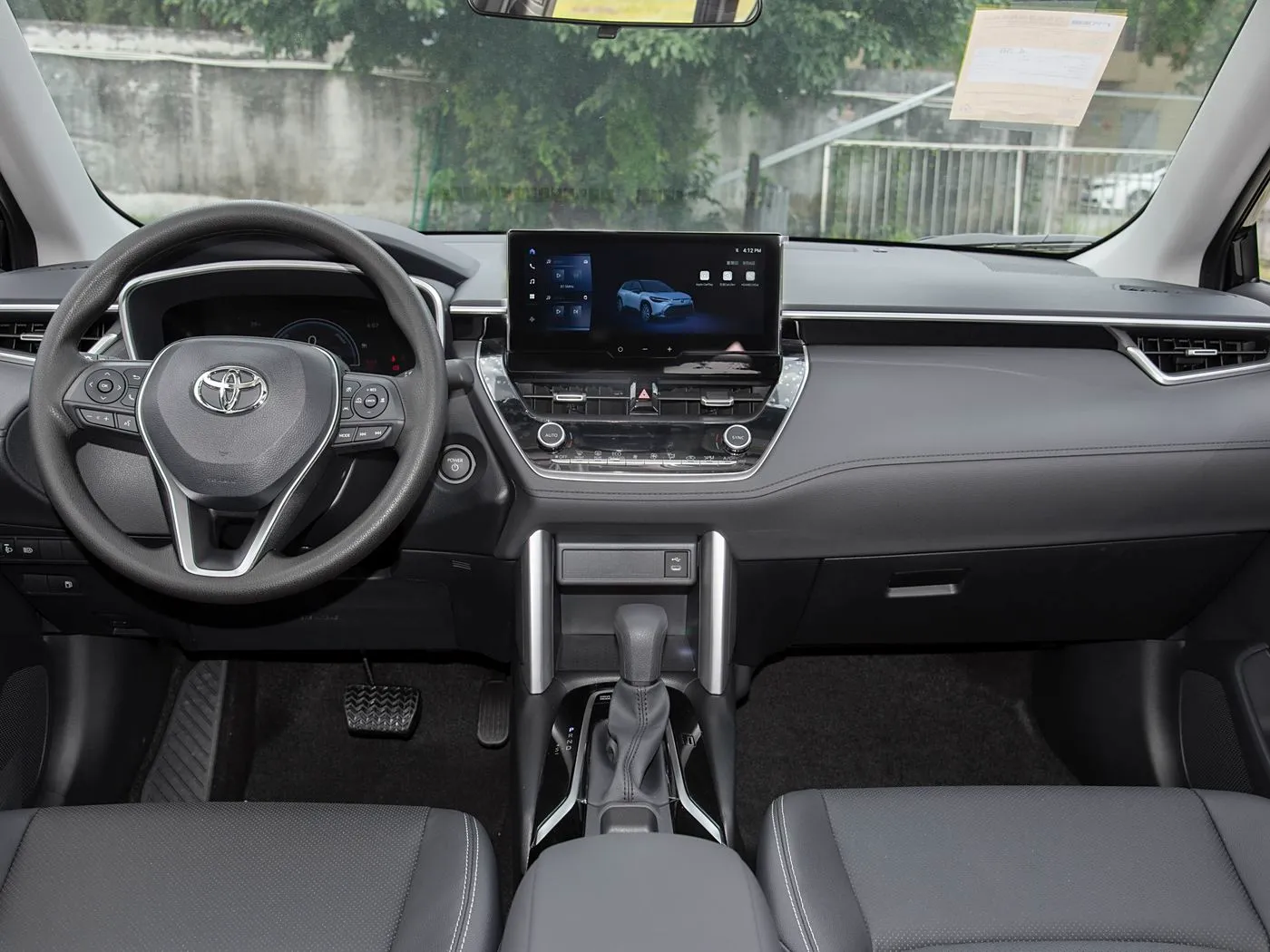
Performance & Engineering
Performance engineering in NEVs extends beyond traditional vehicle dynamics. Force analysis focuses on crashworthiness simulations utilizing finite element analysis (FEA) to optimize structural components for impact absorption. Battery pack design requires rigorous thermal runaway analysis to mitigate fire risks, employing advanced computational fluid dynamics (CFD) to optimize cooling strategies. Environmental resistance is paramount; NEVs must withstand extreme temperatures, humidity, and salt spray exposure. Electromagnetic Compatibility (EMC) testing ensures that the vehicle’s electrical systems do not interfere with other electronic devices. Compliance requirements are extensive, encompassing safety standards (ISO 26262 for functional safety), battery safety regulations (UN 38.3 for transport), and emissions standards (WLTP, EPA). Functional implementation of advanced driver-assistance systems (ADAS) and autonomous driving features necessitate robust sensor integration (LiDAR, radar, cameras) and high-performance computing platforms. Regenerative braking systems require precise control algorithms to maximize energy recovery while maintaining vehicle stability. The overall vehicle’s drag coefficient (Cd) is a critical parameter for maximizing range, necessitating aerodynamic optimization through wind tunnel testing and CFD simulations.
Technical Specifications
| Parameter | Unit | Typical Value (BEV - Mid-Range) | Typical Value (BEV - High Performance) |
|---|---|---|---|
| Battery Capacity | kWh | 60 | 100 |
| Range (WLTP) | km | 400 | 600 |
| 0-100 km/h Acceleration | s | 7.5 | 3.5 |
| Charging Time (DC Fast Charging - 20% to 80%) | min | 30 | 20 |
| Vehicle Weight | kg | 1800 | 2200 |
| Drag Coefficient (Cd) | - | 0.28 | 0.23 |
Failure Mode & Maintenance
Failure modes in NEVs are diverse and require proactive mitigation strategies. Battery degradation is a primary concern, manifesting as reduced capacity and increased internal resistance over time. This is often accelerated by extreme temperatures and deep discharge cycles. Thermal runaway, triggered by internal short circuits or external damage, can lead to catastrophic failure. Corrosion of battery terminals and electrical connections is also common, particularly in humid environments. Structural failures can occur due to fatigue cracking in welded joints or delamination of composite materials. Motor failures can result from bearing wear, winding insulation breakdown, or inverter malfunctions. Preventive maintenance includes regular battery health checks (State of Health - SOH), visual inspection of electrical connections, torque checks on critical fasteners, and coolant flushing for thermal management systems. Failure analysis techniques, such as scanning electron microscopy (SEM) and X-ray computed tomography (CT), are essential for identifying root causes and improving design robustness. Software updates are critical for optimizing battery management algorithms and addressing potential security vulnerabilities. Long-term monitoring of battery data, utilizing machine learning algorithms, can predict potential failures and enable proactive maintenance interventions.
Industry FAQ
Q: What are the key material challenges related to weight reduction in NEVs?
A: The primary challenge lies in balancing strength, stiffness, and cost. While CFRP offers significant weight savings, its high cost and complex manufacturing processes limit widespread adoption. Aluminum alloys are more affordable but require careful consideration of corrosion resistance and joining techniques. Advanced high-strength steels provide a cost-effective solution, but their density is higher than aluminum. Material selection necessitates a trade-off analysis based on vehicle performance requirements and budget constraints.
Q: How do different battery chemistries (NMC, NCA, LFP) impact vehicle performance and safety?
A: NMC and NCA chemistries offer high energy density, resulting in longer ranges but are more prone to thermal runaway. LFP chemistries have lower energy density but exhibit superior thermal stability and cycle life, making them a safer option. Each chemistry requires different battery management system (BMS) strategies to optimize performance and ensure safety.
Q: What are the critical considerations for ensuring the long-term reliability of battery packs?
A: Maintaining optimal operating temperatures is crucial. Sophisticated thermal management systems are essential. Minimizing charge/discharge rates and avoiding deep discharge cycles can extend battery life. Regular monitoring of cell voltage and temperature imbalances within the pack is also critical. Ensuring proper ventilation to prevent gas buildup is key for safety.
Q: How does the design of the vehicle chassis influence its crashworthiness in an NEV?
A: NEV chassis designs must account for the added weight and lower center of gravity of the battery pack. Reinforced structures are required to protect the battery pack during collisions. Energy absorption zones are strategically placed to mitigate impact forces. Consideration must be given to the potential for battery thermal runaway post-crash and its impact on occupant safety.
Q: What role do international standards play in ensuring the quality and safety of NEVs?
A: International standards, such as ISO 26262 (functional safety), UN 38.3 (battery transport safety), and WLTP/EPA (emissions testing), are critical for ensuring the safety and performance of NEVs. Compliance with these standards is mandatory for market access and demonstrates a commitment to quality and reliability. Adherence to these standards also provides a framework for risk assessment and mitigation.
Conclusion
The production of high-quality new energy automobiles demands a comprehensive understanding of material science, manufacturing processes, and performance engineering principles. Addressing the inherent challenges associated with battery technology, structural integrity, and thermal management is paramount. Adherence to rigorous international standards and a commitment to continuous improvement through failure analysis are essential for ensuring long-term reliability and occupant safety.
Future advancements in NEV technology will likely focus on solid-state batteries, wireless charging infrastructure, and advanced materials to further enhance performance and reduce costs. Proactive investment in research and development, coupled with a collaborative approach between automotive manufacturers, material suppliers, and technology providers, will be critical for driving innovation in this rapidly evolving industry. Ultimately, the successful transition to a sustainable transportation future hinges on the ability to produce safe, reliable, and affordable new energy vehicles.