
Apr . 01, 2024 17:55 Back to list
Gasoline Car Quotes Performance Analysis
Introduction
Gasoline car quotes represent the calculated cost of components, materials, labor, and overhead associated with the production of internal combustion engine (ICE) vehicles utilizing gasoline as fuel. These quotes are pivotal in the automotive supply chain, serving as the foundation for pricing structures, procurement decisions, and ultimately, vehicle retail pricing. The accuracy and granularity of these quotes directly impact manufacturer profitability and competitive positioning. They encompass a complex interplay of commodity pricing fluctuations (steel, aluminum, plastics, precious metals in catalytic converters), logistical expenses, tooling amortization, and the increasingly significant cost of meeting stringent emissions regulations. A robust understanding of the factors driving gasoline car quote generation is therefore crucial for automotive procurement professionals, engineers, and financial analysts. Furthermore, these quotes are intrinsically linked to manufacturing process efficiency – optimized processes translating directly to reduced quoted costs. This document will provide an in-depth analysis of the materials, manufacturing, performance considerations, potential failure modes, and relevant standards underpinning accurate and competitive gasoline car quotes.
Material Science & Manufacturing
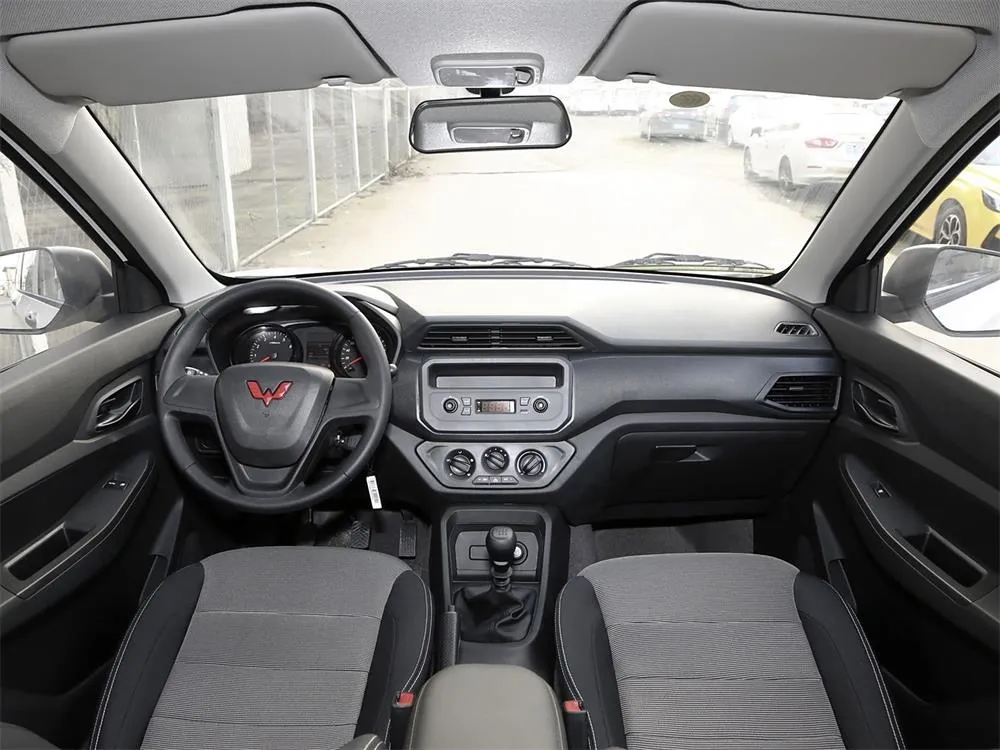
The core of a gasoline car quote begins with material selection. Body-in-white (BIW) construction relies heavily on high-strength low-alloy (HSLA) steels, increasingly supplemented by aluminum alloys to reduce weight and improve fuel efficiency. The steel's yield strength (typically 350-550 MPa) and tensile strength (550-780 MPa) directly influence crashworthiness and require precise cost modeling based on market price volatility. Aluminum alloys (series 5000 and 6000) offer significant weight reduction but necessitate different joining techniques (welding, adhesive bonding, mechanical fastening) which factor into the quote. Engine components, including cylinder blocks, cylinder heads, and connecting rods, traditionally utilize cast iron and aluminum alloys. Cast iron offers excellent wear resistance but is heavier; aluminum alloys provide weight savings but require specialized coatings (e.g., Nikasil) to enhance cylinder bore durability. The manufacturing process for these components—typically casting, followed by machining—is a key cost driver. Polymeric materials, including polypropylene (PP), acrylonitrile butadiene styrene (ABS), and polyurethane (PU) are extensively used in interior components, dashboards, and exterior trim. These materials' tensile strength, impact resistance, and UV stability are critical performance parameters influencing quote accuracy. Manufacturing processes involve injection molding, blow molding, and thermoforming, with tooling costs representing a substantial upfront investment. Furthermore, the sourcing of rubber compounds for tires, hoses, and seals demands consideration of natural rubber and synthetic rubber prices, compounded by the specific formulation requirements (e.g., carbon black loading for tire wear resistance). Surface treatments like electrocoating (e-coating) for corrosion protection and powder coating for aesthetic finish also add significant cost, dependent on coating thickness and application process efficiency.
Performance & Engineering
Performance specifications directly influence material selection and manufacturing complexity, impacting the overall gasoline car quote. Engine power output (kW or hp) and torque (Nm) dictate the required strength and durability of engine components. Finite element analysis (FEA) is routinely employed to optimize component geometry and minimize weight while maintaining structural integrity. Crashworthiness, governed by regulations like FMVSS 208 and ECE R94, necessitates robust BIW design and the use of energy-absorbing materials. The quote must account for the cost of crash testing and simulation software licenses. NVH (Noise, Vibration, and Harshness) performance requires careful material damping properties and acoustic insulation, which adds to both material and manufacturing costs. Thermal management is also critical, particularly for modern, highly stressed engines. The selection of coolant materials (ethylene glycol-based) and radiator materials (aluminum) directly impacts quote accuracy. Furthermore, emissions compliance—meeting standards such as Euro 6 and EPA Tier 3—requires the inclusion of expensive catalytic converters and exhaust aftertreatment systems. These systems employ precious metals (platinum, palladium, rhodium) whose prices fluctuate significantly, requiring constant quote adjustments. Aerodynamic drag (Cd) influences fuel efficiency and necessitates optimized body shaping, impacting tooling costs and manufacturing tolerances. The lifespan of key components (engine, transmission, suspension) is a critical performance metric linked to warranty costs and must be factored into the overall quote.
Technical Specifications
| Component | Material | Key Performance Parameter | Cost Driver |
|---|---|---|---|
| Cylinder Block | Cast Iron / Aluminum Alloy | Tensile Strength (MPa), Thermal Conductivity (W/mK) | Raw Material Price, Machining Complexity |
| Body-in-White (BIW) | HSLA Steel / Aluminum Alloy | Yield Strength (MPa), Crash Energy Absorption (kJ) | Steel/Aluminum Price, Welding/Joining Processes |
| Interior Dashboard | Polypropylene (PP) / ABS | Impact Resistance (J/m), UV Stability | Resin Price, Injection Molding Tooling |
| Tires | Rubber Compound (Natural & Synthetic) | Rolling Resistance, Tread Wear Rate | Rubber Prices, Compound Formulation |
| Catalytic Converter | Stainless Steel / Ceramic Substrate | Conversion Efficiency (%), Precious Metal Loading | Precious Metal Prices, Manufacturing Precision |
| Radiator | Aluminum Alloy | Heat Transfer Coefficient (W/m²K), Pressure Drop (Pa) | Aluminum Price, Fin Density, Manufacturing Process |
Failure Mode & Maintenance
Failure modes in gasoline cars significantly impact long-term cost of ownership and influence initial quote considerations regarding component reliability. Engine failures commonly stem from fatigue cracking in connecting rods or cylinder heads due to cyclic loading. Corrosion, particularly in areas exposed to road salt and moisture, can lead to structural weakening of the BIW. Plastic components are susceptible to UV degradation and embrittlement, resulting in cracking and discoloration. Tire failures can occur due to tread separation, sidewall damage, or puncture. Exhaust system components are prone to corrosion and catalytic converter poisoning. Failure analysis techniques such as fractography, metallography, and chemical analysis are crucial for identifying root causes. Preventive maintenance—regular oil changes, coolant flushes, and tire rotations—can mitigate many failure modes. Predictive maintenance, leveraging sensor data and machine learning algorithms, is gaining traction for identifying potential failures before they occur. The quote should incorporate an allowance for warranty claims based on historical failure rates and expected maintenance schedules. Delamination of paint coatings, resulting from poor surface preparation or incompatible paint systems, is another common issue influencing vehicle aesthetics and potentially leading to corrosion. Long-term exposure to engine heat can also lead to degradation of rubber hoses and seals, causing leaks and performance issues. The use of Finite Element Analysis (FEA) during the design phase can help to predict stress concentrations and improve component durability, minimizing failure risk.
Industry FAQ
Q: How does fluctuating steel pricing impact gasoline car quotes?
A: Steel is a major cost component. Price volatility, driven by global demand, trade tariffs, and raw material costs (iron ore, coal), directly affects BIW costs. Quotes typically include a steel price escalation clause to mitigate this risk. Manufacturers increasingly utilize hedging strategies to lock in steel prices for specific periods.
Q: What is the cost impact of incorporating lightweight materials like aluminum?
A: While aluminum reduces weight, it’s generally more expensive than steel. The quote must account for the higher material cost, specialized joining techniques (welding, adhesive bonding), and the need for corrosion protection. The overall cost benefit is assessed based on fuel efficiency gains and emissions reductions.
Q: How are emissions regulations factored into the gasoline car quote?
A: Meeting emissions standards (Euro 6, EPA Tier 3) requires expensive exhaust aftertreatment systems (catalytic converters, particulate filters). The quote incorporates the cost of these components, as well as the engineering effort required to integrate them into the vehicle. Fluctuating precious metal prices significantly impact catalytic converter costs.
Q: What role does tooling cost play in the overall quote?
A: Tooling (dies, molds, fixtures) represents a substantial upfront investment, particularly for complex components and high-volume production. The quote must amortize these tooling costs over the expected production run. Tooling maintenance and potential replacement also factor into the overall cost.
Q: How is the impact of supply chain disruptions considered in gasoline car quotes?
A: Recent supply chain disruptions have highlighted the need for resilient sourcing strategies. Quotes now often include contingency plans for alternative suppliers, increased inventory levels, and expedited shipping costs to mitigate potential disruptions. Nearshoring or reshoring of production is also being considered.
Conclusion
The generation of accurate gasoline car quotes is a multifaceted process requiring a deep understanding of material science, manufacturing processes, performance engineering, and regulatory requirements. These quotes are not static figures but rather dynamic estimates influenced by fluctuating commodity prices, evolving technologies, and geopolitical factors. A holistic approach, incorporating lifecycle cost analysis and risk mitigation strategies, is essential for ensuring both profitability and competitiveness.
Looking forward, the automotive industry is undergoing a rapid transformation with the rise of electric vehicles (EVs). However, gasoline-powered vehicles will remain a significant part of the market for the foreseeable future. Continued optimization of gasoline car quotes—through advanced materials, lean manufacturing techniques, and predictive maintenance strategies—will be crucial for maximizing efficiency and minimizing environmental impact. Furthermore, a shift towards digitalization and data analytics will enable more accurate forecasting and proactive cost management.