
Apr . 01, 2024 17:55 Back to list
Gasoline Car Products Performance Analysis
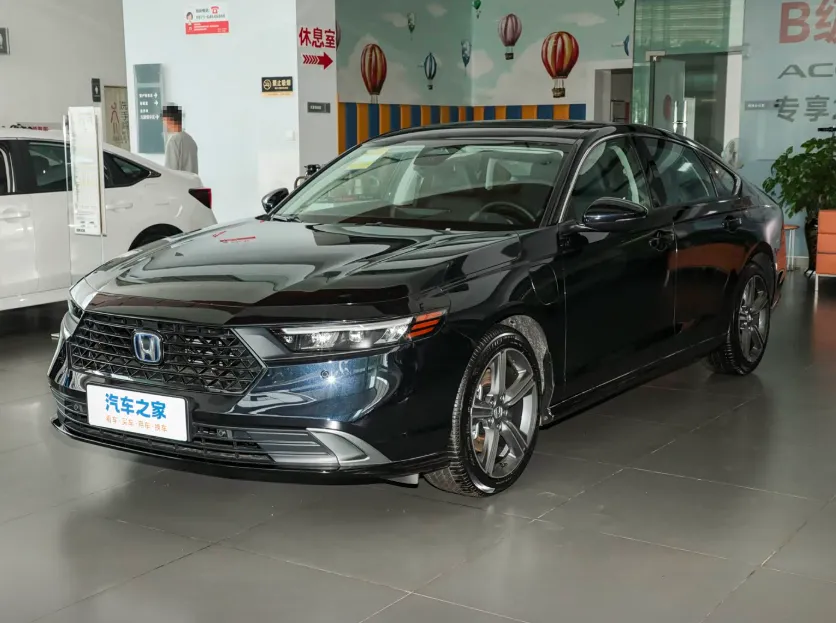
Introduction
Gasoline-powered automobiles represent a mature technology within the internal combustion engine (ICE) vehicle sector. Positioned as a foundational component of personal transportation for over a century, they operate on the principle of converting the chemical energy stored in gasoline into mechanical energy through a four-stroke combustion cycle (intake, compression, combustion, exhaust). The industry faces increasing pressure to improve fuel efficiency and reduce emissions, leading to advancements in engine design, materials science, and exhaust after-treatment systems. Core performance characteristics revolve around volumetric efficiency, thermal efficiency, power-to-weight ratio, and adherence to increasingly stringent emission regulations. The lifecycle of a gasoline car involves significant considerations around fuel sourcing, manufacturing processes, operational emissions, and eventual end-of-life recycling/disposal. This guide provides an in-depth technical overview of gasoline car technology, focusing on material properties, manufacturing, performance analysis, failure modes, and relevant industry standards.
Material Science & Manufacturing
The modern gasoline car is a complex assembly of diverse materials. Engine blocks commonly utilize cast iron (ASTM A48) or aluminum alloys (A356, T6) due to their thermal conductivity, strength, and machinability. Cylinder liners are frequently made of hardened cast iron or coated aluminum alloys to resist wear and friction. Connecting rods employ forged steel (4340, SAE 4140) for high tensile strength and fatigue resistance. Crankshafts, subjected to significant torsional stress, also rely on forged steel with surface hardening treatments (nitriding, carburizing). The vehicle body increasingly integrates high-strength steel (AHSS, UHSS) for crashworthiness and lightweighting, alongside aluminum and polymer composites. Manufacturing processes are multifaceted. Engine block casting involves sand casting or die casting, followed by machining operations (boring, honing). Cylinder head manufacturing utilizes investment casting or aluminum die casting. Welding processes (MIG, TIG, laser welding) are critical for joining body panels and chassis components. Paint application involves multi-stage processes, including electrocoating, primer application, base coat, and clear coat, demanding precise control of viscosity, temperature, and curing times. Fuel tanks are often manufactured from high-density polyethylene (HDPE) via blow molding, requiring stringent quality control to ensure leak-proof performance and resistance to gasoline permeation. Tire manufacturing utilizes synthetic rubber compounds (styrene-butadiene rubber, SBR) reinforced with carbon black and silica fillers, employing calendering and vulcanization processes.

Performance & Engineering
Gasoline car performance hinges on a complex interplay of thermodynamic cycles, fluid dynamics, and structural mechanics. Engine performance is evaluated through metrics like brake horsepower (bhp), torque (lb-ft), and specific fuel consumption (SFC). Volumetric efficiency—the ratio of air actually entering the cylinder to the theoretical maximum—is a critical parameter influencing engine output. Combustion chamber design significantly impacts flame propagation and combustion efficiency. Engine cooling systems must effectively dissipate heat generated during combustion to prevent overheating and component failure. Exhaust systems, including catalytic converters (Pt, Pd, Rh catalysts) and mufflers, mitigate emissions and noise. Suspension systems (MacPherson strut, double wishbone) are engineered to provide ride comfort, handling stability, and road holding. Braking systems (disc brakes, drum brakes) utilize friction to convert kinetic energy into thermal energy, requiring materials with high friction coefficients and thermal stability. Aerodynamic design minimizes drag, improving fuel efficiency and high-speed stability. Finite element analysis (FEA) is employed extensively to optimize component designs, predict stress concentrations, and ensure structural integrity. Compliance with safety standards (FMVSS, ECE regulations) and emission standards (Euro 6, EPA Tier 3) is paramount, requiring rigorous testing and validation.
Technical Specifications
| Engine Displacement (cc) | Maximum Power (bhp) | Maximum Torque (lb-ft) | Fuel Consumption (MPG Combined) |
|---|---|---|---|
| 1800 | 160 | 150 | 32 |
| 2000 | 180 | 175 | 30 |
| 2400 | 200 | 190 | 28 |
| 3500 | 300 | 260 | 22 |
| 1600 (Turbocharged) | 220 | 230 | 35 |
| 2000 (Hybrid) | 190 (Combined) | 170 | 50 |
Failure Mode & Maintenance
Gasoline car components are subject to various failure modes. Engine wear (cylinder bore wear, piston ring wear) leads to reduced compression and oil consumption. Valve train failures (valve breakage, camshaft wear) can result in engine misfires. Cooling system failures (radiator leaks, water pump failure) cause overheating and potential engine damage. Fuel system failures (fuel injector clogging, fuel pump failure) disrupt fuel delivery. Exhaust system failures (catalytic converter degradation, muffler corrosion) increase emissions and noise. Transmission failures (gear wear, clutch slippage) impair power transfer. Suspension component failures (strut leaks, ball joint wear) compromise handling and ride quality. Corrosion, particularly in areas exposed to road salt and moisture, can affect body panels and chassis components. Fatigue cracking can occur in structural components subjected to repeated stress. Preventive maintenance is crucial. Regular oil changes (API SN, ACEA A3/B4 specifications) mitigate engine wear. Coolant flushes prevent corrosion and maintain cooling efficiency. Spark plug replacement ensures optimal combustion. Air filter replacement maintains airflow. Brake pad and rotor replacement ensures safe braking. Tire rotation and alignment improve tire life and handling. Periodic inspections identify potential problems before they escalate.
Industry FAQ
Q: What are the primary metallurgical challenges in designing high-performance gasoline engine components?
A: The primary challenges revolve around balancing strength, ductility, and wear resistance at elevated temperatures and pressures. Components like connecting rods and crankshafts require high tensile strength and fatigue resistance. Cylinder liners need exceptional wear resistance to minimize friction and maintain compression. Valve materials must withstand high temperatures and thermal cycling. Material selection often involves trade-offs, and surface treatments (nitriding, carburizing) are frequently employed to enhance surface hardness and wear resistance.
Q: How do modern gasoline direct injection (GDI) systems impact engine durability and maintenance requirements?
A: GDI systems, while offering improved fuel efficiency and power output, can lead to increased carbon buildup on intake valves due to the absence of a valve cleaning effect from fuel washing. This necessitates periodic intake valve cleaning. GDI injectors are also susceptible to fouling and require regular inspection and potential replacement. The higher pressures within GDI systems also demand more robust fuel pump and injector designs.
Q: What are the critical considerations for selecting materials for gasoline fuel lines and tanks to ensure chemical compatibility?
A: Gasoline is a complex mixture of hydrocarbons that can degrade certain materials. Fuel lines and tanks must be constructed from materials resistant to swelling, cracking, and permeation by gasoline. HDPE and fluoropolymers (PTFE) are commonly used due to their excellent chemical resistance. Rubber compounds used in fuel lines must be specifically formulated for gasoline resistance. The presence of ethanol in gasoline blends adds further complexity, as ethanol can be particularly aggressive towards certain materials.
Q: How do advanced driver-assistance systems (ADAS) and autonomous driving features impact the design and reliability of braking systems in gasoline cars?
A: ADAS and autonomous driving features place greater demands on braking system reliability and responsiveness. Electronic stability control (ESC) and automatic emergency braking (AEB) require precise control of braking force at each wheel. This necessitates redundant braking systems and sophisticated sensors to detect potential failures. The integration of these systems requires rigorous testing and validation to ensure safety and reliability under all operating conditions.
Q: What role do international standards play in ensuring the quality and safety of gasoline car manufacturing?
A: International standards are fundamental to ensuring quality and safety. ISO 9001 (Quality Management Systems) provides a framework for consistent manufacturing processes. ISO 26262 (Functional Safety) addresses safety-related systems, including braking and steering. ECE regulations and FMVSS (Federal Motor Vehicle Safety Standards) define minimum safety requirements for vehicle components and systems. ASTM standards specify material properties and testing methods. Compliance with these standards is essential for vehicle certification and market access.
Conclusion
Gasoline car technology, while mature, continues to evolve with a focus on improving efficiency, reducing emissions, and enhancing safety. Advances in materials science, engine design, and control systems are driving these improvements. Understanding the fundamental principles of combustion, thermodynamics, and structural mechanics is crucial for engineers involved in the design, manufacturing, and maintenance of gasoline-powered vehicles. The increasing integration of electronic systems and autonomous driving features necessitates a holistic approach to vehicle engineering, considering both mechanical and software aspects.
Future trends point towards the continued development of hybrid powertrains and alternative fuels as a transitional strategy towards fully electric vehicles. However, gasoline cars will remain a significant part of the automotive landscape for the foreseeable future, necessitating ongoing research and development to optimize their performance, reliability, and environmental impact. Addressing challenges related to corrosion, wear, and fatigue will be critical for extending the lifespan and minimizing the lifecycle cost of these vehicles.