
Apr . 01, 2024 17:55 Back to list
gasoline car product Performance Engineering
Introduction
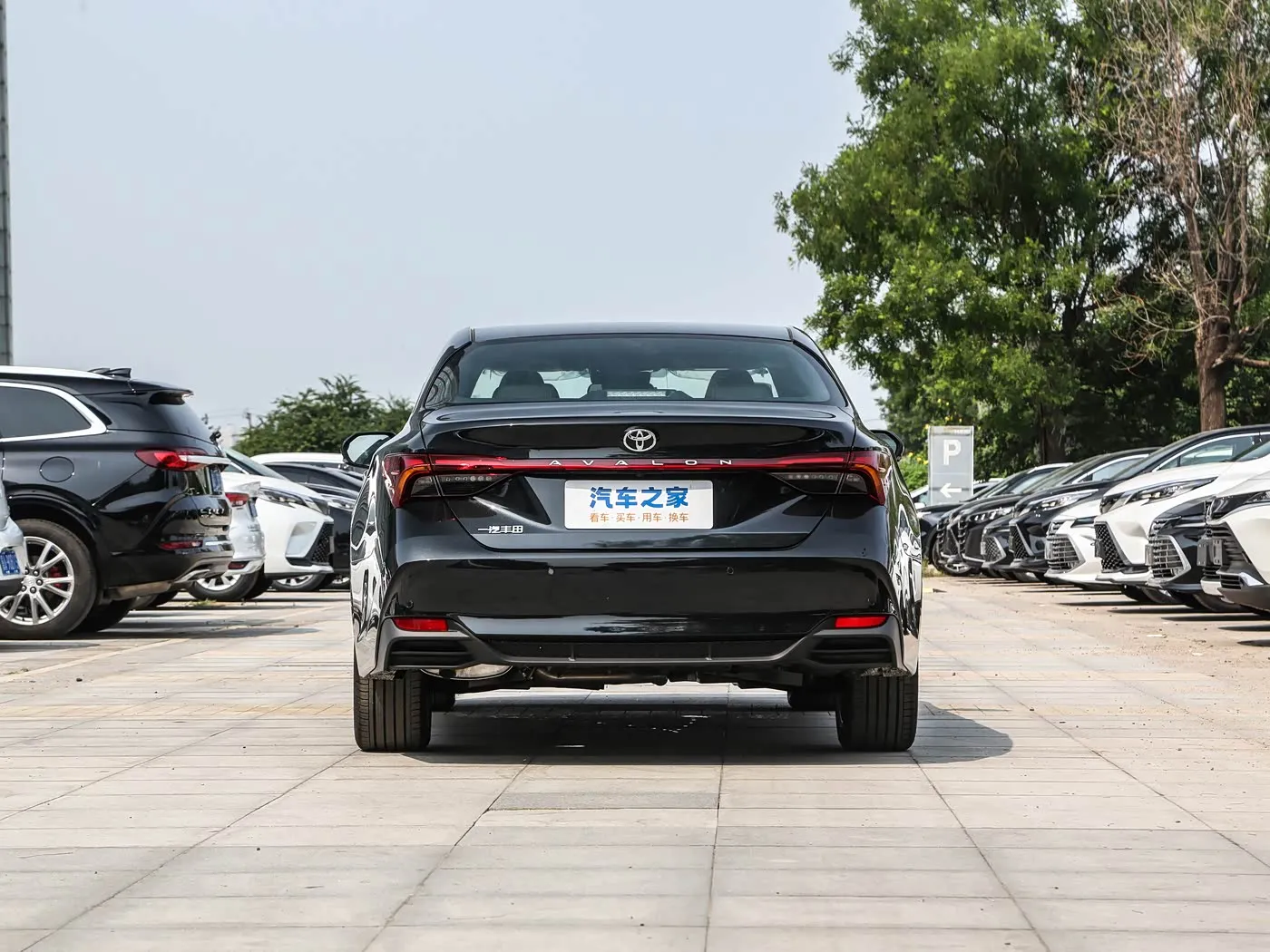
The gasoline-powered automobile represents a mature technology within the broader automotive industry, serving as the predominant mode of personal transportation for over a century. Positioned within the supply chain as the final assembly of thousands of components sourced from Tier 1, Tier 2, and Tier 3 suppliers, its core performance is defined by internal combustion engine efficiency, drivetrain robustness, and passenger safety. Gasoline cars operate on the principle of converting chemical energy from gasoline into mechanical energy via a four-stroke (or two-stroke in rarer applications) internal combustion engine. Key performance indicators include fuel efficiency (measured in miles per gallon or liters per 100 kilometers), acceleration (0-60 mph or 0-100 km/h), and overall vehicle range. This guide will delve into the material science, manufacturing processes, performance engineering, failure modes, and maintenance considerations crucial to the sustained operation and reliability of gasoline-powered vehicles, adhering to relevant international standards.
Material Science & Manufacturing
The construction of a gasoline car relies on a diverse array of materials. The engine block is typically cast from aluminum alloys (A356, T6) or cast iron (gray cast iron, ductile cast iron) chosen for their thermal conductivity, wear resistance, and machinability. Cylinder liners utilize materials like cast iron with nickel-silicon carbide coatings (Nikasil) to minimize friction and enhance durability. Connecting rods are forged from steel alloys (4340 steel, alloy 7075 aluminum) for high tensile strength and fatigue resistance. The chassis utilizes high-strength low-alloy (HSLA) steels and increasingly, aluminum extrusion alloys (6061-T6) for weight reduction. Body panels predominantly utilize steel (various grades of HSLA and mild steel) or aluminum sheet metal (5052-H32). Manufacturing processes are complex and multi-stage. Engine block casting involves sand casting or die casting. Forging is used for critical components like connecting rods and crankshafts. Welding processes, including resistance spot welding, MIG/MAG welding, and laser welding, are critical for chassis and body assembly. Painting involves multiple layers – electrodeposition primer, base coat, and clear coat – applied via robotic sprayers. Parameter control during manufacturing is paramount. Precise control of cooling rates during casting minimizes porosity. Heat treatment processes (quenching, tempering) optimize steel hardness and ductility. Welding parameters (current, voltage, travel speed) are meticulously controlled to ensure weld integrity and minimize distortion. Paint film thickness and adhesion are closely monitored to prevent corrosion.

Performance & Engineering
Gasoline car performance is heavily influenced by engine thermodynamics, fluid dynamics, and structural integrity. Force analysis during vehicle operation focuses on stresses induced by acceleration, braking, and cornering. Suspension systems are engineered to minimize body roll and maximize ride comfort, utilizing springs, dampers, and anti-roll bars. Engine cooling systems manage heat rejection through radiator design and coolant flow optimization. Exhaust systems are designed to minimize backpressure and reduce emissions, employing catalytic converters and mufflers. Environmental resistance is a critical consideration. Corrosion protection strategies involve galvanizing steel components, applying protective coatings, and utilizing corrosion-resistant alloys. Materials are selected for their ability to withstand extreme temperatures (engine components) and UV exposure (exterior panels). Compliance requirements are stringent, dictated by regulatory bodies like the EPA (Environmental Protection Agency) and NHTSA (National Highway Traffic Safety Administration) in the US, and Euro NCAP in Europe. These regulations govern emissions standards, fuel efficiency, and safety features like airbags, seatbelts, and crashworthiness. Functional implementation of safety systems relies on sensors, actuators, and electronic control units (ECUs). Anti-lock braking systems (ABS), electronic stability control (ESC), and traction control systems (TCS) actively monitor vehicle dynamics and intervene to prevent skidding or loss of control.
Technical Specifications
| Engine Displacement (cc) | Maximum Power (hp) | Maximum Torque (Nm) | Fuel Consumption (mpg - combined) |
|---|---|---|---|
| 1600 | 105 | 140 | 32 |
| 2000 | 150 | 190 | 28 |
| 2400 | 180 | 230 | 25 |
| 3500 | 300 | 360 | 20 |
| 1800 (Turbocharged) | 160 | 250 | 30 |
| 2500 (Hybrid) | 210 (Combined) | 270 | 40 |
Failure Mode & Maintenance
Gasoline cars are susceptible to a variety of failure modes. Fatigue cracking in engine components (connecting rods, crankshafts) occurs due to cyclical loading. Delamination of composite materials (used in some body panels) can result from impact damage or environmental degradation. Corrosion (rust) is a pervasive issue, affecting body panels, chassis components, and fuel lines. Oil leaks can arise from worn seals and gaskets. Engine overheating is often caused by coolant leaks, radiator failure, or thermostat malfunction. Ignition system failures (spark plugs, ignition coils) can lead to misfires and reduced engine performance. Failure analysis often reveals root causes related to material defects, manufacturing flaws, or improper maintenance. Regular maintenance is crucial for preventing failures. Oil changes, filter replacements (air, fuel, oil), spark plug replacement, coolant flushes, and brake pad replacements are essential. Periodic inspection of suspension components, steering systems, and exhaust systems is also recommended. Preventative maintenance, such as corrosion protection treatments and fluid checks, can significantly extend vehicle lifespan. Diagnostic scans utilizing onboard diagnostics (OBD) systems can identify potential issues before they escalate into major repairs.
Industry FAQ
Q: What is the impact of ethanol-blended gasoline on fuel system components?
A: Ethanol-blended gasoline, while offering environmental benefits, can be corrosive to certain fuel system components, particularly those made of rubber and plastic. Ethanol absorbs water, which can lead to phase separation and corrosion. Modern vehicles are generally designed to tolerate higher ethanol blends (E10, E15), but older vehicles may experience issues with fuel lines, seals, and carburetors. Using fuel stabilizers and ensuring proper drainage of the fuel system during storage can mitigate these risks.
Q: How does turbocharging affect the lifespan of engine components?
A: Turbocharging increases engine power output by forcing more air into the cylinders. However, this also increases stress on engine components. Higher combustion pressures and temperatures can accelerate wear on pistons, connecting rods, and cylinder heads. Turbochargers themselves are subject to high rotational speeds and temperatures, requiring regular maintenance and potential replacement over time. Modern turbocharger designs incorporate advanced materials and cooling systems to mitigate these issues, but a turbocharged engine generally requires more robust component construction and more frequent maintenance.
Q: What are the key differences between disc brakes and drum brakes in terms of performance and maintenance?
A: Disc brakes offer superior stopping power and fade resistance compared to drum brakes. This is due to their open design, which allows for better heat dissipation. Disc brakes are also self-adjusting, reducing maintenance requirements. Drum brakes are less expensive to manufacture and offer good stopping power in normal conditions, but they are more prone to overheating and require periodic adjustment. Maintenance on drum brakes involves inspecting and replacing brake shoes, drums, and wheel cylinders.
Q: What are the advantages and disadvantages of using aluminum alloys versus steel for body panels?
A: Aluminum alloys are significantly lighter than steel, resulting in improved fuel efficiency and handling. They also offer excellent corrosion resistance. However, aluminum is more expensive to manufacture and repair than steel. It is also less stiff than steel, requiring more complex designs to achieve equivalent structural rigidity. Steel is more affordable, readily available, and offers higher strength. However, it is susceptible to corrosion and heavier than aluminum.
Q: How do modern catalytic converters reduce emissions, and what factors can lead to their failure?
A: Catalytic converters utilize precious metal catalysts (platinum, palladium, rhodium) to convert harmful pollutants (hydrocarbons, carbon monoxide, nitrogen oxides) into less harmful substances (carbon dioxide, water, nitrogen). They function through oxidation and reduction reactions. Failure can occur due to catalyst poisoning (from leaded gasoline or excessive oil consumption), overheating (caused by misfires or rich fuel mixtures), or physical damage. Proper engine maintenance and avoiding fuel contaminants are crucial for preserving catalytic converter lifespan.
Conclusion
The gasoline-powered automobile represents a highly engineered system, relying on a complex interplay of material science, manufacturing precision, and performance optimization. Understanding the inherent failure modes and implementing preventative maintenance strategies are essential for maximizing vehicle lifespan and ensuring reliable operation. The continued evolution of gasoline car technology focuses on improving fuel efficiency, reducing emissions, and enhancing safety features.
Looking ahead, the integration of advanced materials, such as carbon fiber reinforced polymers, and the refinement of combustion technologies, like gasoline direct injection (GDI) and variable valve timing (VVT), will further enhance performance and efficiency. Furthermore, the hybridization of gasoline engines with electric motors offers a pathway to reduce reliance on fossil fuels and minimize environmental impact. The longevity of the gasoline car as a dominant transportation mode hinges on continued innovation and a commitment to sustainable practices.