
Apr . 01, 2024 17:55 Back to list
Fuel Energy Car Service Performance Analysis
Introduction
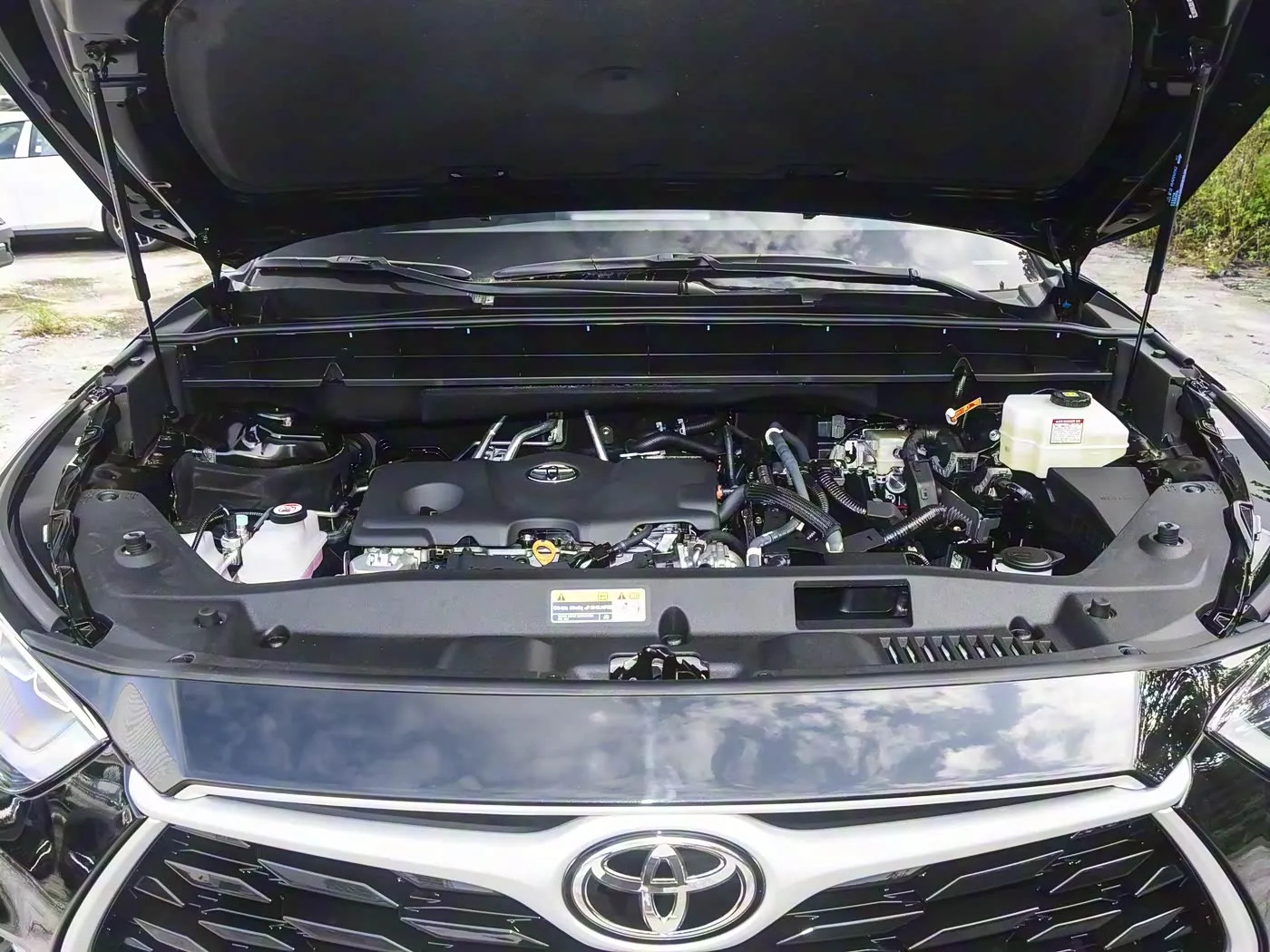
Fuel energy car service encompasses the comprehensive maintenance, repair, and diagnostics performed on vehicles powered by internal combustion engines – gasoline, diesel, and increasingly, alternative fuels like ethanol and biodiesel blends. Positioned within the automotive aftermarket, this service chain begins with routine inspections and extends to complex engine overhauls and emissions system repairs. Core performance indicators are defined by vehicle reliability, fuel efficiency maintenance, adherence to emissions regulations, and overall vehicle safety. The industry faces increasing challenges with the electrification of the vehicle fleet, requiring technicians to adapt to hybrid systems and high-voltage components alongside traditional fuel systems. Effective fuel energy car service is crucial for extending vehicle lifespan, minimizing environmental impact, and ensuring driver safety, driving a consistent demand despite the emergence of electric vehicle alternatives. This guide will provide an in-depth technical overview of the key aspects of fuel energy car service, covering material science, manufacturing considerations, performance analysis, failure modes, and relevant industry standards.
Material Science & Manufacturing
The materials underpinning fuel energy car service are diverse, ranging from the metallic alloys used in engine components to the polymers found in fuel lines and seals. Engine blocks are typically constructed from cast iron (specifically gray cast iron for its damping capacity) or aluminum alloys (for weight reduction). Connecting rods, crankshafts, and cylinder heads employ forged steel alloys, selected for their high tensile strength and fatigue resistance. Fuel lines and tanks utilize polymers like polyethylene (PE) or polyamide (PA, nylon), chosen for their resistance to fuel permeation and corrosion. Modern fuel injectors often incorporate solenoid valves using silicon steel laminations and high-temperature resistant polymers. The manufacturing processes are equally varied. Engine block casting involves precision sand casting, followed by machining operations – boring, honing, and milling – to achieve tight tolerances. Crankshafts are forged and then subjected to surface hardening processes like nitriding to enhance wear resistance. Fuel injector manufacturing relies on micro-electromechanical systems (MEMS) fabrication techniques and precision assembly. Key parameter control during manufacturing involves maintaining dimensional accuracy, surface finish, and material composition to ensure optimal performance and durability. For example, the precise heat treatment of steel components dictates their hardness and ductility, influencing their ability to withstand cyclic stresses. The composition of polymers directly affects their chemical resistance and permeability, critical for preventing fuel leaks and maintaining fuel quality.

Performance & Engineering
Performance analysis in fuel energy car service relies heavily on understanding combustion thermodynamics and fluid dynamics. Force analysis on critical components like connecting rods and crankshafts utilizes Finite Element Analysis (FEA) to predict stress concentrations and potential failure points under varying engine loads. Environmental resistance is a major consideration; components must withstand extreme temperatures, corrosive fluids, and cyclical stresses. Compliance with emissions regulations – such as Euro 6, EPA Tier 3, and CARB standards – drives the design and maintenance of emissions control systems, including catalytic converters, oxygen sensors, and exhaust gas recirculation (EGR) systems. Functional implementation of modern engine management systems (EMS) relies on sophisticated sensor networks – mass airflow sensors (MAF), throttle position sensors (TPS), and crankshaft position sensors (CPS) – providing real-time data to the engine control unit (ECU). The ECU then adjusts fuel injection timing, ignition timing, and valve timing to optimize performance and emissions. Diagnostic procedures increasingly rely on On-Board Diagnostics (OBD-II) systems, enabling technicians to identify and troubleshoot issues through diagnostic trouble codes (DTCs). The proper functioning of the fuel delivery system is critical; fuel pressure regulation, injector pulse width modulation, and fuel pump efficiency all contribute to optimal engine operation. Understanding these interconnected systems is essential for effective fuel energy car service.
Technical Specifications
| Component | Material | Typical Operating Temperature (°C) | Tensile Strength (MPa) |
|---|---|---|---|
| Engine Block | Gray Cast Iron / Aluminum Alloy | 80-120 | 200-350 (Cast Iron) / 270-400 (Aluminum) |
| Connecting Rod | Forged Steel Alloy (4340) | 100-150 | 800-1000 |
| Crankshaft | Forged Steel Alloy (4140) | 80-120 | 900-1100 |
| Fuel Injector Body | Stainless Steel | 60-100 | 550-700 |
| Fuel Line | Polyethylene (PE) / Polyamide (PA) | -40 to 80 | 15-30 (Dependent on Polymer Grade) |
| Catalytic Converter Substrate | Cordierite (Mg2Al4Si5O18) | 200-900 | N/A (Brittle Material) |
Failure Mode & Maintenance
Failure modes in fuel energy car systems are diverse. Fatigue cracking is common in engine components subjected to cyclical stresses, particularly connecting rods and crankshafts. Delamination can occur in composite materials used in fuel tanks or seals due to moisture ingress or UV degradation. Oxidation and corrosion are prevalent in exhaust systems and fuel lines, leading to leaks and reduced efficiency. Fuel injector failure can result from clogging due to fuel contaminants, wear of internal components, or electrical malfunctions. The formation of carbon deposits in the combustion chamber leads to reduced compression and misfires. Preventative maintenance is critical. Regular oil changes are essential to lubricate engine components and remove abrasive particles. Fuel filter replacement prevents contaminants from reaching the injectors. Spark plug replacement ensures proper ignition. Inspection of fuel lines and seals for leaks or cracks is crucial. Diagnostic scans using OBD-II systems can identify developing issues before they become major problems. When performing repairs, strict adherence to manufacturer’s specifications is essential, including torque values, fastener types, and sealant applications. Properly diagnosing the root cause of a failure is paramount; simply replacing a failed component without addressing the underlying issue will likely lead to repeat failures. For example, a failed water pump may indicate a coolant leak elsewhere in the system that needs to be addressed.
Industry FAQ
Q: What are the primary causes of fuel injector failure?
A: Fuel injector failure is most commonly caused by fuel contamination, leading to clogging of the injector nozzle. This restricts fuel flow and disrupts the spray pattern. Other causes include wear of internal components due to abrasive particles in the fuel, electrical failures within the solenoid valve, and damage from thermal stress due to overheating.
Q: How can corrosion in the fuel system be prevented?
A: Corrosion can be mitigated by using fuel additives that inhibit rust and corrosion. Ensuring proper ventilation in the fuel tank prevents condensation, which contributes to corrosion. Regularly draining water from the fuel tank is also essential. Utilizing fuel lines and tanks constructed from corrosion-resistant materials like polyethylene or stainless steel provides added protection.
Q: What is the significance of a catalytic converter efficiency code (e.g., P0420)?
A: A catalytic converter efficiency code (like P0420) indicates that the catalytic converter is not operating at its optimal efficiency. This can be caused by a failing catalytic converter, an exhaust leak upstream of the converter, or issues with the oxygen sensors. A thorough diagnostic assessment is needed to pinpoint the root cause.
Q: What role does the Mass Airflow (MAF) sensor play in engine performance?
A: The MAF sensor measures the amount of air entering the engine. This information is crucial for the ECU to calculate the correct fuel-air mixture. A faulty MAF sensor can lead to inaccurate fuel delivery, resulting in poor engine performance, reduced fuel efficiency, and increased emissions.
Q: What are the best practices for diagnosing an engine misfire?
A: Diagnosing an engine misfire requires a systematic approach. Begin by retrieving DTCs from the OBD-II system. Inspect spark plugs, ignition coils, and fuel injectors. Perform a compression test to assess cylinder health. Check for vacuum leaks and inspect the timing chain or belt for proper operation. A smoke test can help identify vacuum leaks.
Conclusion
Fuel energy car service remains a vital component of the automotive aftermarket, demanding a nuanced understanding of material science, combustion engineering, and diagnostic protocols. The increasing complexity of modern engine management systems and the need to meet stringent emissions regulations require technicians to possess specialized skills and utilize advanced diagnostic tools. Proactive preventative maintenance, coupled with accurate diagnostics and proper repair procedures, is essential for ensuring vehicle reliability, maximizing fuel efficiency, and minimizing environmental impact.
Looking ahead, the service landscape will evolve alongside advancements in fuel technology and engine design. While the rise of electric vehicles is undeniable, internal combustion engines will continue to play a significant role for the foreseeable future. Adaptability and continuous learning will be critical for technicians to remain proficient in servicing both traditional and hybrid fuel energy systems. Investing in training and embracing new technologies will be essential for maintaining a skilled workforce capable of meeting the evolving demands of the automotive industry.