
Apr . 01, 2024 17:55 Back to list
custom plug in hybrid exporter Performance Analysis
Introduction
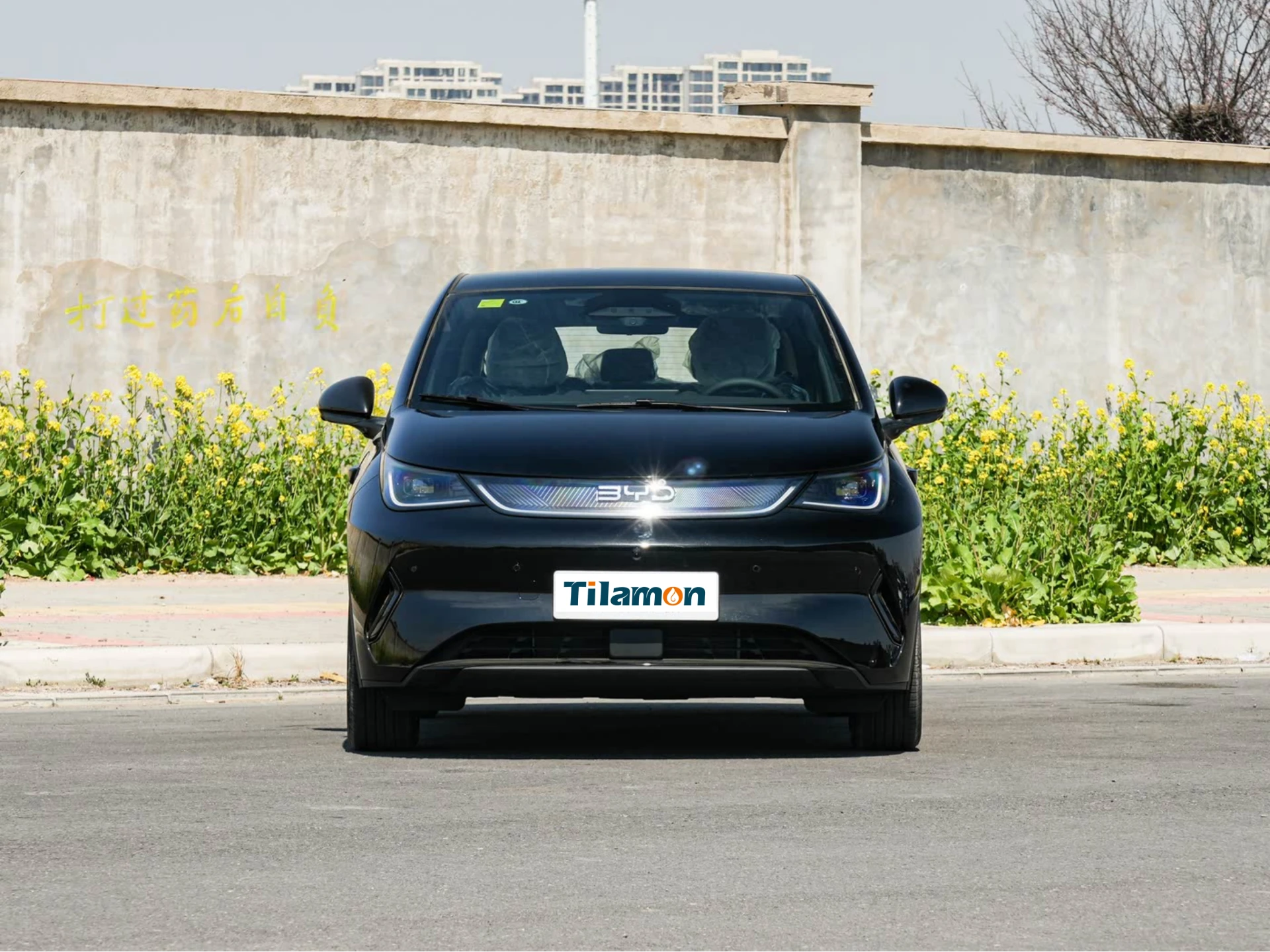
Custom plug-in hybrid exporters represent a specialized segment within the automotive industry, focused on the international distribution of vehicles integrating both internal combustion engines and electric propulsion systems. These vehicles offer a transitional technology, bridging the gap between traditional combustion engines and fully electric vehicles, and are increasingly sought after in markets with developing charging infrastructures or stringent emissions regulations. The technical position of these exporters lies in navigating complex homologation requirements, adapting vehicle specifications for diverse global markets, and managing the logistical challenges inherent in transporting high-value, technically sophisticated goods. Core performance metrics include fuel efficiency, electric range, total range, emissions compliance (Euro standards, EPA certifications, etc.), and battery system longevity. A key differentiator for custom exporters is their ability to tailor vehicle configurations – including powertrain options, trim levels, and accessory packages – to meet specific regional demands and customer preferences.
Material Science & Manufacturing
The manufacturing of a plug-in hybrid exporter’s vehicles relies on a complex interplay of materials science and engineering. The internal combustion engine (ICE) component utilizes high-strength aluminum alloys (e.g., A356, 7075) for engine blocks and cylinder heads, optimized for thermal conductivity and weight reduction. Pistons are typically forged from aluminum alloys with silicon content for increased strength at elevated temperatures. The electric powertrain necessitates materials optimized for electrical conductivity and thermal management. Copper windings are paramount in the electric motor, utilizing high-purity copper to minimize resistance and maximize efficiency. Battery packs employ lithium-ion cells, typically utilizing nickel manganese cobalt (NMC) or nickel cobalt aluminum (NCA) chemistries, encased in robust housings constructed from aluminum or high-strength steel alloys to protect against physical damage and thermal runaway. Vehicle bodies leverage advanced high-strength steels (AHSS) and aluminum alloys to meet crash safety standards while minimizing weight. Manufacturing processes include precision casting, forging, machining, robotic welding, and advanced painting techniques. Critical parameter control includes maintaining tight tolerances in ICE component manufacturing to optimize combustion efficiency, ensuring consistent electrolyte composition and electrode coating quality in battery cell production, and rigorously testing the electrical insulation of high-voltage components.
Performance & Engineering
The performance of a custom plug-in hybrid exporter vehicle is governed by a complex integration of mechanical, electrical, and software engineering principles. Force analysis encompasses powertrain torque vectoring, regenerative braking system efficiency, and vehicle stability control. Environmental resistance requires careful consideration of operating temperatures, humidity levels, and exposure to corrosive elements (road salt, marine environments). The vehicle must withstand extreme temperatures ranging from -40°C to +85°C while maintaining functional integrity. Compliance requirements are extensive, including adherence to global emissions standards (Euro 6, EPA Tier 3), safety regulations (FMVSS, ECE regulations), and battery safety standards (UN 38.3). Functional implementation of the plug-in hybrid system requires sophisticated control algorithms to seamlessly transition between electric and combustion power, optimize energy recuperation during braking, and manage battery charging and discharging cycles. Finite Element Analysis (FEA) is critical for structural integrity assessments, particularly for battery pack housings and crash structures. Computational Fluid Dynamics (CFD) simulations are utilized to optimize thermal management systems for both the ICE and the battery pack. The integration of the electric motor and ICE demands precise synchronization and optimized gear ratios to maximize overall powertrain efficiency.
Technical Specifications
| Parameter | Unit | Value (Typical) | Testing Standard |
|---|---|---|---|
| Total Vehicle Range | km | 800 | WLTP |
| Electric Range | km | 60 | WLTP |
| Battery Capacity | kWh | 13.8 | IEC 62133 |
| Combined Fuel Consumption | L/100km | 2.2 | WLTP |
| CO2 Emissions (Combined) | g/km | 50 | WLTP |
| Maximum Power (Combined) | kW | 180 | DIN 70040 |
Failure Mode & Maintenance
Plug-in hybrid vehicles are susceptible to a range of failure modes. Battery degradation is a primary concern, resulting in reduced capacity and range over time. This degradation is accelerated by extreme temperatures, frequent deep discharge cycles, and improper charging habits. Thermal runaway within the battery pack, though rare, represents a serious safety hazard. The ICE component is subject to conventional failure modes such as piston ring wear, valve failures, and catalytic converter degradation. The electric motor can experience winding insulation breakdown due to overheating or mechanical stress. Failure of the power electronics (inverter, DC-DC converter) can lead to loss of electric propulsion. Delamination of battery cells due to mechanical shock or vibration is also a potential failure mode. Regular maintenance includes battery health checks, coolant flushing (for both ICE and battery thermal management systems), inspection of high-voltage wiring and connectors, and adherence to the manufacturer’s recommended service intervals for the ICE component. Preventative maintenance strategies include optimizing charging profiles to minimize battery stress, avoiding prolonged exposure to extreme temperatures, and performing regular visual inspections of the undercarriage for corrosion.
Industry FAQ
Q: What are the key differences in homologation requirements between exporting plug-in hybrids to the EU versus North America?
A: EU homologation (Euro 6d TEMP) focuses heavily on Real Driving Emissions (RDE) testing and requires comprehensive documentation of the vehicle's emissions performance under real-world conditions. North American standards (EPA and FMVSS) emphasize tailpipe emissions testing and compliance with a comprehensive set of safety regulations. The testing methodologies and acceptance criteria differ significantly, necessitating substantial adaptation and re-certification for each market. Battery safety regulations (UN 38.3) are generally consistent, but documentation requirements can vary.
Q: How does the degradation rate of the battery pack affect the long-term resale value of exported plug-in hybrids?
A: Battery degradation is a major factor influencing resale value. Vehicles with significantly reduced battery capacity command lower prices. Providing a robust battery warranty and maintaining detailed records of battery health (State of Health - SOH) can mitigate this effect. Advanced battery management systems (BMS) that optimize charging and discharging cycles can slow down degradation and preserve resale value.
Q: What are the logistical challenges associated with transporting large quantities of plug-in hybrid vehicles, considering the hazardous nature of lithium-ion batteries?
A: Transporting lithium-ion batteries requires strict adherence to international shipping regulations (IMDG Code for sea freight, IATA Dangerous Goods Regulations for air freight). Proper packaging, labeling, and documentation are critical. Vehicles must be transported in a manner that minimizes the risk of physical damage to the battery pack. Specialized handling procedures are required to prevent thermal runaway and ensure the safety of personnel.
Q: What are the typical warranty terms offered on plug-in hybrid powertrains, and what components are typically covered?
A: Typical warranty terms range from 5 years/80,000 km to 8 years/160,000 km on the hybrid powertrain. Coverage generally includes the electric motor, inverter, battery pack, and associated control systems. The battery warranty often has specific conditions related to SOH retention (e.g., 70% capacity after a specified period). The ICE component typically has a shorter warranty period.
Q: How does the availability of charging infrastructure in the destination market influence the demand for exported plug-in hybrid vehicles?
A: The availability of charging infrastructure is a critical determinant of demand. Markets with limited charging infrastructure favor plug-in hybrids with longer electric ranges or those offering the flexibility of gasoline-powered operation. Conversely, markets with well-developed charging networks tend to see higher demand for fully electric vehicles.
Conclusion
Custom plug-in hybrid exporters operate within a complex and rapidly evolving landscape. Success hinges on a deep understanding of materials science, manufacturing processes, stringent regulatory compliance, and a proactive approach to mitigating potential failure modes. The ability to adapt vehicle specifications to diverse market demands and manage the logistical challenges of international transport are paramount.
Looking ahead, the trend toward electrification will continue to shape the industry. Exporters who invest in advanced battery technologies, optimize powertrain efficiency, and prioritize robust quality control measures will be best positioned to capitalize on the growing global demand for plug-in hybrid vehicles. The adoption of digital technologies, such as predictive maintenance and remote diagnostics, will further enhance the reliability and performance of these vehicles.