
Apr . 01, 2024 17:55 Back to list
custom large electric suv exporter Performance Analysis
Introduction
Custom large electric SUVs represent a rapidly expanding segment within the automotive industry, driven by increasing demand for sustainable transportation, personalized vehicle configurations, and extended range capabilities. These vehicles occupy a unique position in the supply chain, requiring a vertically integrated approach encompassing battery technology, electric drivetrain design, chassis engineering, and bespoke interior/exterior customization. Unlike mass-produced EVs, custom builds necessitate a high degree of engineering flexibility and a robust logistical network to accommodate diverse client specifications. Core performance metrics center around battery capacity (measured in kWh), range (in miles or kilometers), acceleration (0-60 mph), charging time, and towing capacity, all while adhering to stringent safety and regulatory standards. The demand for these vehicles stems from a clientele prioritizing both environmental responsibility and individualized luxury, placing a premium on build quality, technological integration, and long-term reliability. This guide details the material science, manufacturing processes, performance characteristics, potential failure modes, and industry standards pertinent to the successful development and export of custom large electric SUVs.
Material Science & Manufacturing
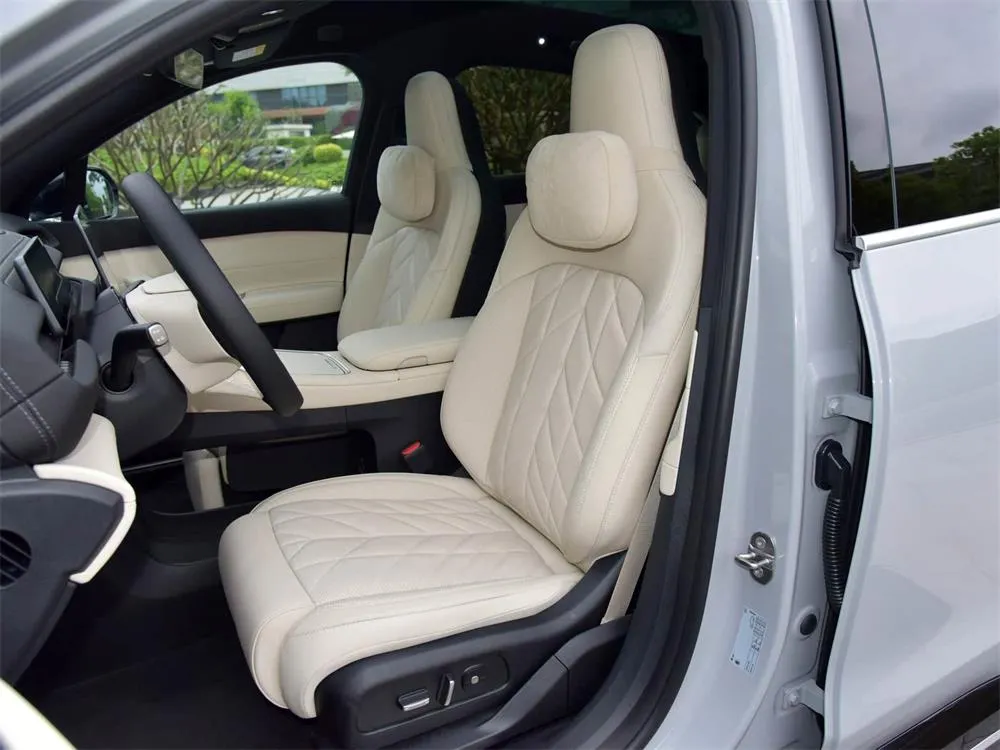
The construction of a custom large electric SUV relies on a complex interplay of materials science principles. The chassis typically utilizes high-strength low-alloy (HSLA) steel for its balance of strength, ductility, and cost-effectiveness. However, increasing adoption of aluminum alloys (specifically 6061 and 7075 series) and carbon fiber reinforced polymers (CFRP) is evident in premium models aiming for weight reduction and improved energy efficiency. Battery pack enclosures demand robust protection, often employing aluminum alloys for their thermal conductivity and corrosion resistance. Critical to battery performance is the composition of the lithium-ion cells themselves, utilizing cathode materials such as Nickel Manganese Cobalt (NMC) or Lithium Iron Phosphate (LFP). The manufacturing process begins with body-in-white (BIW) construction, employing laser welding, robotic assembly, and adhesive bonding techniques. Painting utilizes multi-stage processes including electrocoating, primer application, and topcoat finishing to ensure durability and aesthetic appeal. Electric drivetrain components, including the motor, inverter, and gearbox, are typically manufactured via precision machining and assembly. Battery pack assembly requires stringent quality control, including cell balancing, thermal management system integration (typically liquid cooling utilizing glycol-water mixtures), and rigorous safety testing. Interior components often utilize a blend of natural leather, synthetic polymers (polypropylene, ABS), and advanced textiles. Parameter control during manufacturing is paramount, focusing on weld integrity, paint thickness, adhesive bond strength, and battery cell consistency.

Performance & Engineering
Performance engineering for custom large electric SUVs is multi-faceted. Force analysis is crucial during crash testing, evaluating the structural integrity of the chassis and passenger compartment under various impact scenarios. Finite element analysis (FEA) is employed to optimize component design and minimize weight without compromising safety. Environmental resistance is a critical consideration, necessitating corrosion protection measures (galvanizing, powder coating) for exposed metal components. Battery thermal management systems must operate effectively across a wide temperature range (-30°C to +50°C) to maintain optimal cell performance and prevent thermal runaway. Compliance requirements vary significantly by export market, demanding adherence to regulations such as FMVSS (Federal Motor Vehicle Safety Standards – US), ECE regulations (Europe), and relevant national standards. Functional implementation of advanced driver-assistance systems (ADAS) – including adaptive cruise control, lane keeping assist, and automatic emergency braking – requires precise sensor calibration and robust software integration. Furthermore, the electric drivetrain’s performance is profoundly affected by regenerative braking efficiency, impacting overall range and energy recovery. The suspension system – typically independent double-wishbone or multi-link designs – is tuned for both on-road comfort and off-road capability, accounting for the vehicle's increased weight compared to internal combustion engine SUVs. Towing capacity is engineered by reinforcing the chassis and optimizing the suspension for load bearing.
Technical Specifications
| Parameter | Unit | Typical Value (Range) | Testing Standard |
|---|---|---|---|
| Battery Capacity | kWh | 100 – 150 | IEC 62133 |
| Range (WLTP) | km | 500 – 700 | WLTP (Worldwide Harmonised Light Vehicle Test Procedure) |
| 0-60 mph Acceleration | seconds | 4.5 – 6.0 | SAE J1772 |
| Maximum Towing Capacity | kg | 2200 – 3500 | SAE J2462 |
| Charging Time (DC Fast Charging) | minutes (0-80%) | 30 – 60 | CCS (Combined Charging System) |
| Gross Vehicle Weight Rating (GVWR) | kg | 2800 – 3200 | FMVSS 571.501 |
Failure Mode & Maintenance
Custom large electric SUVs, while technologically advanced, are susceptible to specific failure modes. Battery degradation is a primary concern, leading to reduced range and performance over time. This is accelerated by high charge/discharge cycles, extreme temperatures, and improper charging practices. Fatigue cracking can occur in the chassis and suspension components due to repeated stress, particularly under heavy loads or rough terrain. Delamination of CFRP body panels can result from impact damage or prolonged exposure to UV radiation. Degradation of thermal management system components (pumps, hoses, coolant) can lead to overheating and battery damage. Oxidation of electrical connectors and wiring harnesses can cause intermittent failures or complete system shutdowns. Preventive maintenance is crucial, including regular battery health checks, inspection of suspension components, fluid level monitoring (coolant, brake fluid), and electrical system diagnostics. Specific maintenance procedures include battery cell balancing, software updates for the battery management system (BMS), and lubrication of suspension joints. Failure analysis should include root cause investigation, utilizing techniques such as non-destructive testing (ultrasonic inspection, radiographic testing) and material analysis (metallography, chemical composition analysis). Properly trained technicians and specialized diagnostic equipment are essential for effective maintenance and repair.
Industry FAQ
Q: What are the primary challenges associated with exporting custom-built electric SUVs to Europe, specifically regarding homologation?
A: Homologation in Europe is significantly complex, requiring compliance with ECE regulations covering safety, emissions (even for EVs), and noise levels. A key challenge is obtaining type approval for unique vehicle configurations, as standard testing procedures may not adequately address bespoke modifications. Documentation requirements are extensive, including detailed engineering drawings, test reports, and material certifications. Furthermore, proving conformity to the Radio Equipment Directive (RED) for wireless communication systems and the General Safety Regulation (GSR) for ADAS features is crucial.
Q: How does the choice of battery chemistry (NMC vs. LFP) impact the overall lifespan and warranty considerations for these vehicles?
A: NMC batteries generally offer higher energy density, enabling longer ranges, but are more susceptible to degradation and thermal runaway than LFP batteries. LFP batteries demonstrate superior cycle life and thermal stability, resulting in longer warranties, however, they have lower energy density leading to a potentially shorter range for a given battery pack size. Warranty provisions should reflect these differences, with NMC batteries typically covered for 8 years/100,000 miles, while LFP batteries may offer 10 years/150,000 miles.
Q: What level of cybersecurity protection is necessary for the vehicle's electronic control units (ECUs) to prevent remote hacking and unauthorized access?
A: Robust cybersecurity is paramount. This includes implementing multiple layers of defense, such as secure boot processes, intrusion detection systems, firewalls, and encrypted communication protocols (CAN bus security). Regular over-the-air (OTA) software updates are essential to patch vulnerabilities and address emerging threats. Compliance with automotive cybersecurity standards, like ISO/SAE 21434, is increasingly mandated by regulatory bodies.
Q: What are the key considerations regarding thermal management in extreme climates (e.g., desert environments or arctic conditions)?
A: In hot climates, the thermal management system must effectively dissipate heat generated by the battery pack, motor, and inverter to prevent overheating and performance degradation. This often necessitates increased cooling capacity, utilizing advanced heat exchangers and optimized airflow management. In cold climates, maintaining battery temperature is crucial for ensuring sufficient range and charging speed. Pre-heating the battery pack before charging and employing insulated enclosures are essential measures.
Q: What are the typical quality control procedures implemented during battery pack assembly to minimize the risk of cell failures and thermal runaway?
A: Rigorous quality control includes cell voltage matching and balancing, impedance testing, visual inspection for defects, and non-destructive testing (X-ray) to identify internal cell damage. The battery management system (BMS) undergoes extensive validation to ensure accurate state-of-charge estimation and thermal monitoring. Post-assembly testing includes simulated drive cycles, thermal cycling, and overcharge/discharge testing to verify pack performance and safety.
Conclusion
The successful export of custom large electric SUVs hinges on a comprehensive understanding of material science, advanced manufacturing techniques, and stringent quality control measures. Addressing performance engineering challenges related to safety, environmental resistance, and regulatory compliance is paramount. Proactive failure mode analysis and preventative maintenance strategies are vital for ensuring long-term reliability and customer satisfaction. The integration of robust cybersecurity protocols is no longer optional, but a necessity in today’s connected vehicle landscape.
Future advancements in battery technology – solid-state batteries, for example – promise to further enhance range, charging speed, and safety. Continuous investment in research and development, coupled with a commitment to sustainable manufacturing practices, will be crucial for maintaining a competitive edge in this rapidly evolving market. Collaboration with international certification bodies and a proactive approach to adapting to changing regulatory requirements are essential for navigating the complexities of global export markets.