
Apr . 01, 2024 17:55 Back to list
custom 8 seater suv exporter Performance Analysis
Introduction
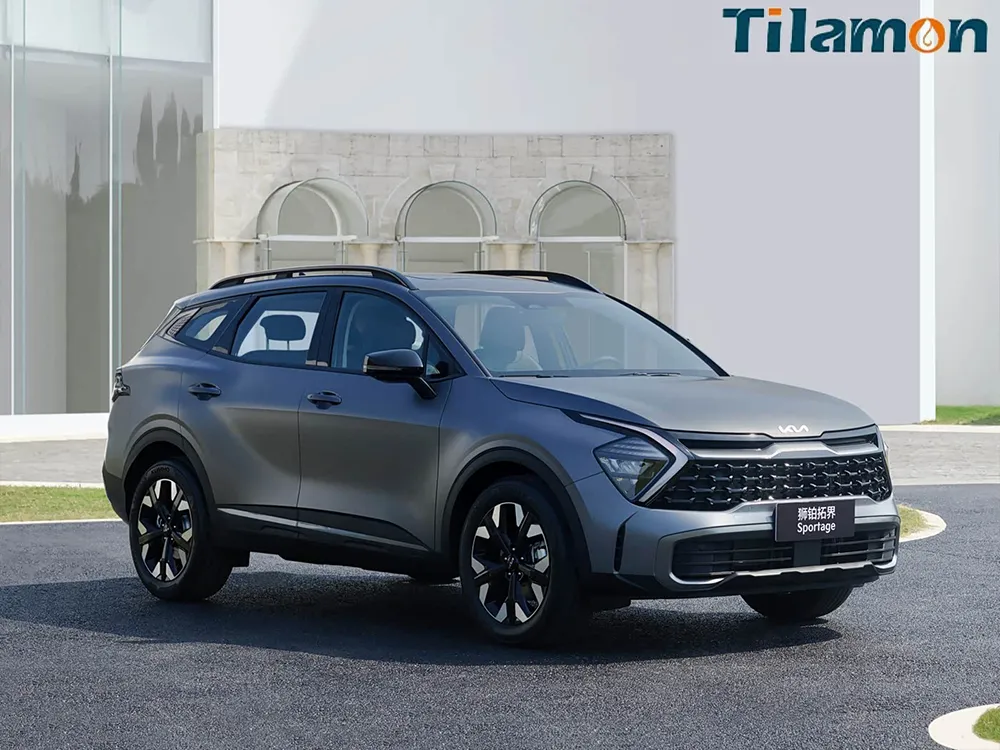
Custom 8-seater SUV exportation represents a specialized segment within the automotive industry, focused on fulfilling bespoke transportation needs for international markets. These vehicles occupy a unique position in the global supply chain, typically stemming from Original Equipment Manufacturers (OEMs) who offer extensive customization options beyond standard production models. The core performance attributes center around passenger capacity, interior luxury and configuration, powertrain options tailored to regional regulations and fuel types, and compliance with stringent international safety and emissions standards. A key driver for this market is demand from families, tourism operators, and executive transport services requiring larger vehicles with personalized specifications. The industry faces challenges related to complex logistics, varying homologation requirements across countries, and the need for robust quality control throughout the customization and export process. This technical guide provides an in-depth exploration of the materials, manufacturing processes, performance characteristics, potential failure modes, and relevant standards governing custom 8-seater SUV exportation.
Material Science & Manufacturing
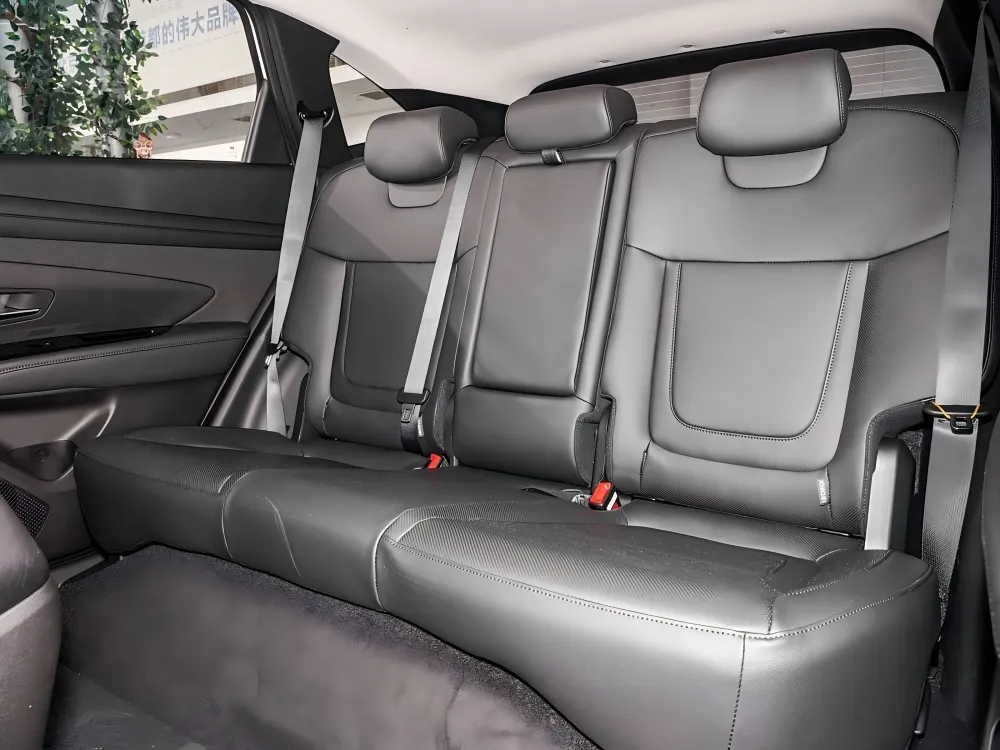
The construction of a custom 8-seater SUV involves a complex interplay of materials science and advanced manufacturing techniques. The chassis typically utilizes high-strength low-alloy (HSLA) steel for its balance of formability, weldability, and tensile strength (yield strength ranging from 275 MPa to 550 MPa depending on grade). Body panels predominantly employ aluminum alloys (specifically, the 5052 and 6061 series) due to their lightweight properties and corrosion resistance, crucial for extending vehicle lifespan, particularly in coastal environments. Interior components leverage a range of materials including polyurethane foams for seating, polypropylene for trim parts, and acrylonitrile butadiene styrene (ABS) for dashboard elements. Fabric selection for upholstery focuses on durability, abrasion resistance (assessed by Martindale rub tests, aiming for >25,000 cycles), and flame retardancy (meeting FMVSS 302 standards). The manufacturing process begins with robotic welding of the chassis components, followed by body-in-white assembly using automated spot welding and adhesive bonding techniques. Paint application utilizes multi-stage electrodeposition coating (e-coat) for corrosion protection, followed by primer and topcoat layers applied via robotic spray systems. Customization often involves thermoforming for interior panels, injection molding for bespoke components, and specialized upholstery work including leather cutting and stitching. Parameter control during welding (current, voltage, gas shielding) and painting (temperature, humidity, coating thickness) is critical to ensure structural integrity and finish quality. Failure to maintain precise control can lead to weld defects, coating delamination, and compromised corrosion resistance.
Performance & Engineering
Performance engineering for custom 8-seater SUVs centers around ensuring structural integrity under load, optimizing ride comfort, and achieving compliance with global safety regulations. Force analysis, utilizing Finite Element Analysis (FEA) software, is employed to simulate crash scenarios and validate chassis design. Key parameters assessed include impact absorption, deformation patterns, and occupant protection. Suspension systems are engineered to manage the increased weight associated with a fully loaded vehicle, utilizing independent suspension designs (e.g., double wishbone or multi-link) and adaptive dampers to optimize ride quality. Powertrain selection impacts fuel efficiency and emissions, requiring careful consideration of regional standards (Euro 6, EPA Tier 3). Environmental resistance is addressed through materials selection and protective coatings to withstand extreme temperatures, humidity, and exposure to road salts. Specific compliance requirements include FMVSS (Federal Motor Vehicle Safety Standards) in the US, ECE regulations in Europe, and national standards in individual importing countries. Roll-over protection is achieved through reinforced roof structures and side impact beams. Braking systems incorporate Anti-lock Braking Systems (ABS) and Electronic Stability Control (ESC) to enhance safety. Aerodynamic performance, while secondary to functionality, is optimized to reduce drag and improve fuel economy. Load distribution calculations are crucial, especially when considering the customized interior configurations and potential for high passenger/cargo weight.
Technical Specifications
| Parameter | Unit | Typical Value | Tolerance |
|---|---|---|---|
| Overall Vehicle Length | mm | 5100 | ± 50 |
| Overall Vehicle Width | mm | 1950 | ± 20 |
| Overall Vehicle Height | mm | 1800 | ± 30 |
| Curb Weight | kg | 2300 | ± 100 |
| Gross Vehicle Weight Rating (GVWR) | kg | 2900 | ± 50 |
| Engine Displacement | cc | 2000-3500 | Variable (per customization) |
| Fuel Consumption (Combined) | L/100km | 8-12 | ± 1 |
Failure Mode & Maintenance
Custom 8-seater SUVs are susceptible to a range of failure modes, often accelerated by the increased weight and customized configurations. Fatigue cracking in the chassis and suspension components can occur due to repeated stress cycles, particularly in regions experiencing harsh road conditions. Delamination of interior panels can result from temperature fluctuations and exposure to UV radiation. Corrosion, particularly galvanic corrosion between dissimilar metals (e.g., aluminum body panels and steel chassis), is a significant concern, necessitating regular inspection and application of protective coatings. Oxidation of electrical connectors can lead to intermittent malfunctions of vehicle systems. Powertrain failures can stem from overheating, oil contamination, or wear of critical components. Tire wear is accelerated due to increased vehicle weight and potential misalignment. Preventative maintenance is crucial, including regular fluid checks (engine oil, coolant, brake fluid, transmission fluid), tire rotation and balancing, inspection of suspension components, and application of rust inhibitors. Non-destructive testing (NDT) methods, such as ultrasonic testing and radiographic inspection, can be used to detect hidden cracks and defects. Prompt repair of minor damage (e.g., stone chips, scratches) is essential to prevent corrosion. Adherence to manufacturer-recommended maintenance schedules is vital for maximizing vehicle lifespan and ensuring passenger safety. Regular inspection of customized interior components (e.g., seatbelts, entertainment systems) is also crucial.
Industry FAQ
Q: What are the key challenges in meeting differing crash safety standards across various export markets?
A: The primary challenge lies in the variation in test protocols and performance requirements. For instance, Euro NCAP has different criteria compared to NHTSA in the US. This necessitates designing for the most stringent standards and then adapting specific components or systems to meet the requirements of less demanding markets. This can involve utilizing different materials, modifying restraint systems, or adjusting chassis reinforcement strategies. Homologation testing in each target market is essential, and can be costly and time-consuming.
Q: How does customization affect the vehicle's warranty and liability?
A: Customization inherently complicates warranty provisions. OEMs typically only warranty components they directly manufacture. Modifications performed by third-party customization shops may void the original warranty for related systems. Liability can be a complex issue, as it needs to be clearly defined whether failures are due to the original vehicle design or the aftermarket modifications. Detailed documentation of all customizations, including material specifications and installation procedures, is crucial for managing potential liability claims.
Q: What considerations are paramount regarding thermal management, especially for vehicles exported to hot climates?
A: Effective thermal management is critical. This includes optimizing the cooling system (radiator capacity, fan performance), utilizing high-performance insulation materials in the cabin, and implementing advanced air conditioning systems. Consideration should be given to the potential for overheating of electronic components and the need for robust ventilation systems. Dark colored exterior paint absorbs more heat, potentially requiring additional cooling capacity.
Q: What are the typical corrosion prevention measures employed beyond standard e-coating?
A: Beyond e-coating, supplemental corrosion protection includes the application of cavity wax to protect inner body panels, the use of stainless steel fasteners in critical areas, and the application of underbody coatings to shield against road salts and debris. Regular washing and waxing are also recommended. In marine environments, sacrificial anodes can be used to protect vulnerable metal components.
Q: What role does digital thread and traceability play in managing the complex supply chain of custom components?
A: A robust digital thread, encompassing all stages of design, manufacturing, and assembly, is essential. This involves tracking each component’s origin, material specifications, and manufacturing history. Traceability allows for rapid identification and resolution of quality issues, facilitates efficient recall management, and provides a comprehensive audit trail for compliance purposes. Blockchain technology is increasingly being explored to enhance supply chain transparency and security.
Conclusion
The custom 8-seater SUV export market demands a holistic understanding of materials science, advanced manufacturing techniques, and rigorous performance engineering. Achieving success requires meticulous attention to detail across the entire value chain, from initial design and customization to final assembly and logistical execution. The interplay between stringent international regulations, the complexities of aftermarket modification, and the need for robust corrosion protection creates significant challenges that demand proactive mitigation strategies.
Future trends in this sector will likely involve increased adoption of lightweight materials (carbon fiber reinforced polymers, magnesium alloys), integration of advanced driver-assistance systems (ADAS), and a greater emphasis on sustainable manufacturing practices. Furthermore, the demand for highly personalized vehicle configurations will necessitate the development of flexible manufacturing systems and sophisticated supply chain management solutions. Maintaining a commitment to quality, safety, and regulatory compliance remains paramount to ensure long-term viability in this competitive global market.