
Apr . 01, 2024 17:55 Back to list
china new energy vehicles exporter Performance Engineering
Introduction
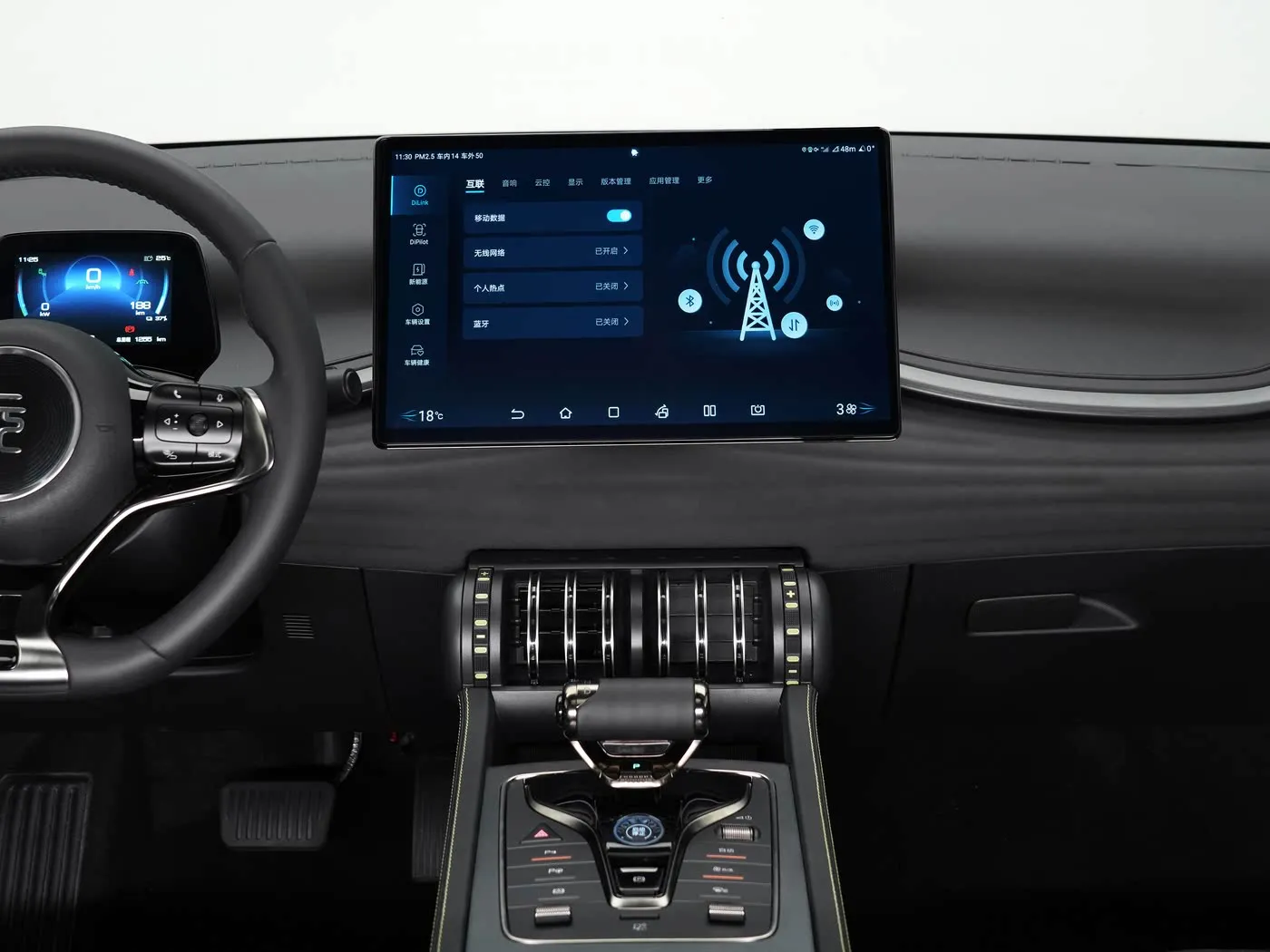
China’s new energy vehicle (NEV) export sector represents a rapidly expanding facet of the global automotive industry. This encompasses battery electric vehicles (BEVs), plug-in hybrid electric vehicles (PHEVs), and fuel cell electric vehicles (FCEVs) originating from Chinese manufacturers and destined for international markets. The industry's position in the value chain is evolving from primarily original equipment manufacturing (OEM) for established brands to increasingly prominent direct-to-consumer exports under Chinese marques. Core performance characteristics, critical for export viability, center around battery energy density, charging infrastructure compatibility, thermal management efficiency, vehicle-to-grid (V2G) capabilities, and adherence to differing international safety and emissions standards. A key challenge lies in overcoming perceptions related to build quality and brand recognition while simultaneously navigating complex geopolitical trade dynamics. Exporting NEVs requires a nuanced understanding of not only automotive engineering but also global homologation processes and international logistics.
Material Science & Manufacturing
The foundation of Chinese NEV exports lies in advancements in material science and manufacturing processes. Battery technology, specifically lithium-ion (NMC, LFP, and emerging solid-state chemistries), dominates material considerations. NMC (Nickel Manganese Cobalt) offers high energy density but presents thermal runaway risks necessitating sophisticated battery management systems (BMS). LFP (Lithium Iron Phosphate) prioritizes safety and longevity, albeit with lower energy density, increasingly favored for entry-level vehicles. Manufacturing processes for battery packs involve cell welding (laser welding is preferred for precision and minimal heat-affected zones), module assembly, and pack integration, requiring stringent quality control to prevent short circuits and ensure structural integrity. Vehicle chassis construction increasingly utilizes high-strength steel (HSS) and aluminum alloys to minimize weight and maximize crash performance. Body panel manufacturing employs processes like stamping, injection molding (for plastic components), and composite material lay-up (carbon fiber reinforced polymer, CFRP, for premium models). Electric motor production relies on precision winding of copper wire, rotor core lamination (using silicon steel to minimize hysteresis losses), and robust bearing systems. Thermal management systems utilize advanced coolants and heat exchanger designs to regulate battery and motor temperatures, critical for optimal performance and longevity. Parameter control during manufacturing, particularly in battery production, is paramount, demanding real-time monitoring of voltage, current, temperature, and impedance to identify and rectify defects.
Performance & Engineering
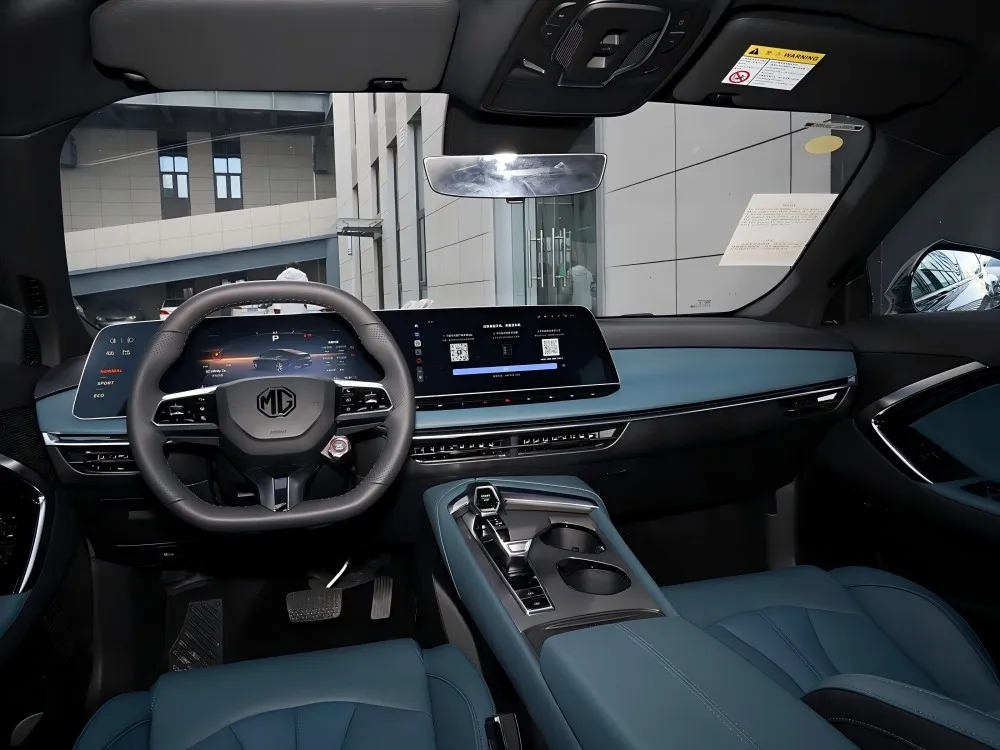
Performance engineering of Chinese NEV exports focuses on maximizing range, acceleration, and energy efficiency while ensuring safety and reliability. Force analysis during crash testing, conforming to standards like Euro NCAP and IIHS, is critical to validate structural integrity. The placement of the battery pack, typically under the floor, significantly impacts the vehicle’s center of gravity, affecting handling and stability. Environmental resistance is a key concern; NEVs must withstand extreme temperatures, humidity, and corrosive elements. Corrosion prevention measures include cathodic protection, specialized coatings, and the use of corrosion-resistant alloys. Compliance requirements vary significantly by region, encompassing safety regulations (ECE R regulations in Europe, FMVSS in the US), emissions standards (WLTP, NEDC, EPA), and battery safety certifications (UN 38.3). Functional implementation of advanced driver-assistance systems (ADAS), such as automatic emergency braking (AEB) and lane keeping assist (LKA), requires robust sensor integration (radar, lidar, cameras) and sophisticated software algorithms. Regenerative braking systems must be optimized to maximize energy recapture without compromising braking performance. Electrical insulation standards (IEC 60335) are paramount to prevent electrical shocks and ensure passenger safety. V2G functionality, where the vehicle can discharge energy back to the grid, necessitates bidirectional charging infrastructure and advanced power electronics.
Technical Specifications
| Parameter | Entry-Level EV (e.g., BYD Dolphin) | Mid-Range EV (e.g., NIO ET5) | Premium EV (e.g., Zeekr 001) |
|---|---|---|---|
| Battery Capacity (kWh) | 44.9 | 75 | 86 |
| Range (WLTP km) | 420 | 560 | 650 |
| 0-100 km/h Acceleration (s) | 12.6 | 4.0 | 3.8 |
| Maximum Power (kW) | 70 | 360 | 544 |
| Charging Time (DC Fast Charging 0-80%) | 30 min | 45 min | 30 min |
| Energy Consumption (kWh/100km) | 15.8 | 16.8 | 17.5 |
Failure Mode & Maintenance
Failure modes in Chinese NEV exports are multi-faceted. Battery degradation, manifested as reduced capacity and range, is a primary concern, accelerated by high temperatures, frequent fast charging, and deep discharge cycles. Thermal runaway, a potentially catastrophic event, can occur due to internal short circuits or external damage. Electric motor failures can stem from bearing wear, insulation breakdown, or inverter malfunctions. Power electronics failures, particularly in the DC-DC converter and inverter, can result from overheating and component stress. Failure of the BMS can lead to inaccurate state-of-charge estimations and compromised battery safety. Corrosion, particularly in areas exposed to road salt and humidity, can affect chassis components and electrical connectors. Maintenance strategies include regular battery health checks (using diagnostic software), coolant fluid replacements, inspection of high-voltage cables and connectors, and firmware updates to optimize performance and address potential vulnerabilities. Proactive monitoring of BMS data and thermal management system performance is crucial for identifying and mitigating potential issues. Proper storage procedures during prolonged periods of inactivity are also vital to prevent battery degradation. Scheduled inspections for corrosion and wear of critical components are recommended. Preventive maintenance focused on charging infrastructure compatibility and cable integrity is equally important.
Industry FAQ
Q: What are the key challenges in adapting Chinese NEV charging standards to European infrastructure?
A: The primary challenge lies in the difference between the GB/T charging standard used in China and the CCS standard prevalent in Europe. Adapters exist, but they introduce potential power losses and compatibility issues. Furthermore, voltage and frequency differences between the grids necessitate careful design of onboard chargers and charging infrastructure. The rollout of V2G technology requires standardized communication protocols and grid integration solutions.
Q: How do Chinese NEV manufacturers address concerns regarding battery safety and thermal runaway?
A: Chinese manufacturers employ multi-layered safety strategies. These include robust BMS systems with sophisticated algorithms for cell balancing and thermal monitoring, active cooling systems to regulate battery temperature, fire suppression systems within battery packs, and cell-level safety features like current interrupt devices (CIDs) and pressure relief valves. Adherence to stringent battery safety standards (UN 38.3) is also crucial.
Q: What is the impact of differing international crash safety standards on NEV design and export?
A: Compliance with varying crash safety standards (Euro NCAP, IIHS, etc.) necessitates significant design modifications. This includes optimizing structural reinforcement, airbag deployment strategies, and occupant restraint systems. Battery pack placement and protection are particularly critical, requiring robust shielding to prevent damage during impact. Homologation testing to each region’s specific requirements is essential.
Q: How are Chinese NEV exporters addressing concerns regarding software security and data privacy?
A: Software security is paramount. Manufacturers are implementing robust cybersecurity measures, including intrusion detection systems, data encryption protocols, and over-the-air (OTA) update capabilities to address vulnerabilities. Data privacy is being addressed through compliance with GDPR and other relevant regulations, ensuring user data is collected and processed responsibly.
Q: What is the role of intellectual property protection in the NEV export market?
A: Intellectual property protection is a major concern. Manufacturers are employing patents, trademarks, and trade secrets to safeguard their technology. Contractual agreements with suppliers and partners are also crucial for protecting confidential information. Active monitoring and enforcement of IP rights are essential to prevent counterfeiting and unauthorized technology transfer.
Conclusion
The Chinese NEV export sector is poised for continued growth, driven by technological innovation, competitive pricing, and expanding global demand. However, success hinges on addressing key challenges related to international standards compliance, brand perception, and supply chain resilience. A focus on robust quality control, advanced safety features, and proactive maintenance strategies is essential for building trust and establishing a strong foothold in international markets. Continued investment in R&D, particularly in battery technology and autonomous driving capabilities, will be critical for maintaining a competitive edge.
Looking ahead, the industry must prioritize sustainable manufacturing practices, responsible sourcing of materials, and the development of a comprehensive circular economy for battery recycling. Collaboration with international partners and engagement with regulatory bodies are crucial for harmonizing standards and facilitating seamless market access. Ultimately, the long-term viability of Chinese NEV exports will depend on demonstrating a commitment to innovation, safety, and environmental responsibility.