
Apr . 01, 2024 17:55 Back to list
China 7 Passenger EV Manufacturer Engineering Analysis and Manufacturing Specifications
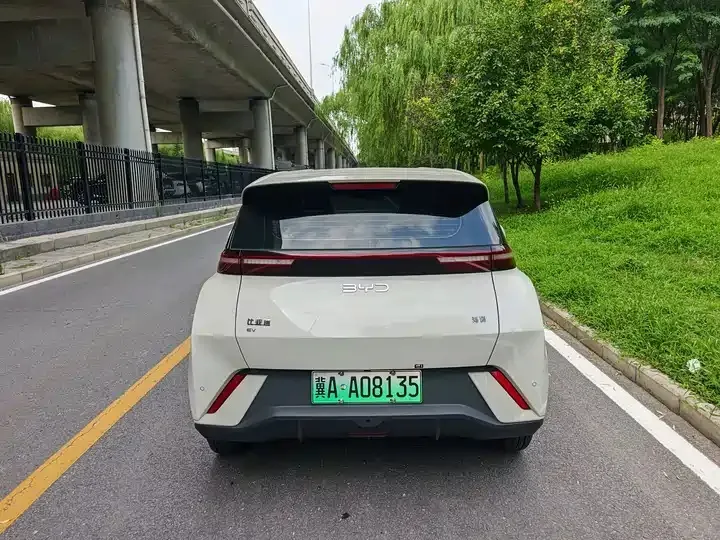
China 7 Passenger EV Manufacturer: Engineering Analysis and Manufacturing Specifications
The 7-passenger Electric Vehicle (EV) segment represents one of the most complex engineering challenges in the current automotive landscape, necessitating a precise balance between volumetric efficiency, structural rigidity, and energy density. A china 7 passenger ev manufacturer must integrate high-capacity battery arrays with a chassis capable of supporting increased Gross Vehicle Weight (GVW) while maintaining safety standards for three rows of occupants. Positioned at the intersection of the Multi-Purpose Vehicle (MPV) and SUV markets, these vehicles serve as critical infrastructure for urban mobility and family transport. The technical core of these vehicles lies in the integration of a dedicated EV platform (skateboard architecture), which optimizes the wheelbase to maximize interior cabin space without compromising the vehicle's center of gravity or dynamic stability.
Material Science & Manufacturing
The manufacturing process of a 7-passenger EV focuses heavily on the "Lightweighting Strategy" to offset the massive weight of the Lithium-ion battery packs required for such a large vehicle. A china 7 passenger ev manufacturer employs a multi-material mix, utilizing Advanced High-Strength Steel (AHSS) for the safety cage and crash-relevant zones to ensure maximum passenger protection during high-velocity impacts. For non-structural body panels, aluminum alloys (6000 series) are utilized via large-scale hydroforming and precision die-casting to reduce curb weight.
The battery enclosure is a critical component, typically constructed from extruded aluminum profiles with a high-pressure die-cast base. To manage the thermal volatility of high-capacity cells, manufacturers implement a liquid-cooling plate system using thermally conductive gap fillers and phase-change materials (PCM) to maintain an optimal operating window of 25°C to 40°C. The assembly process integrates robotic laser welding for the chassis to ensure joint consistency and minimal thermal distortion. Furthermore, the interior utilizes sustainable, low-VOC (Volatile Organic Compound) polymers and recycled synthetic fibers for the seating, ensuring that the expanded interior volume does not lead to degraded air quality for the seven occupants.
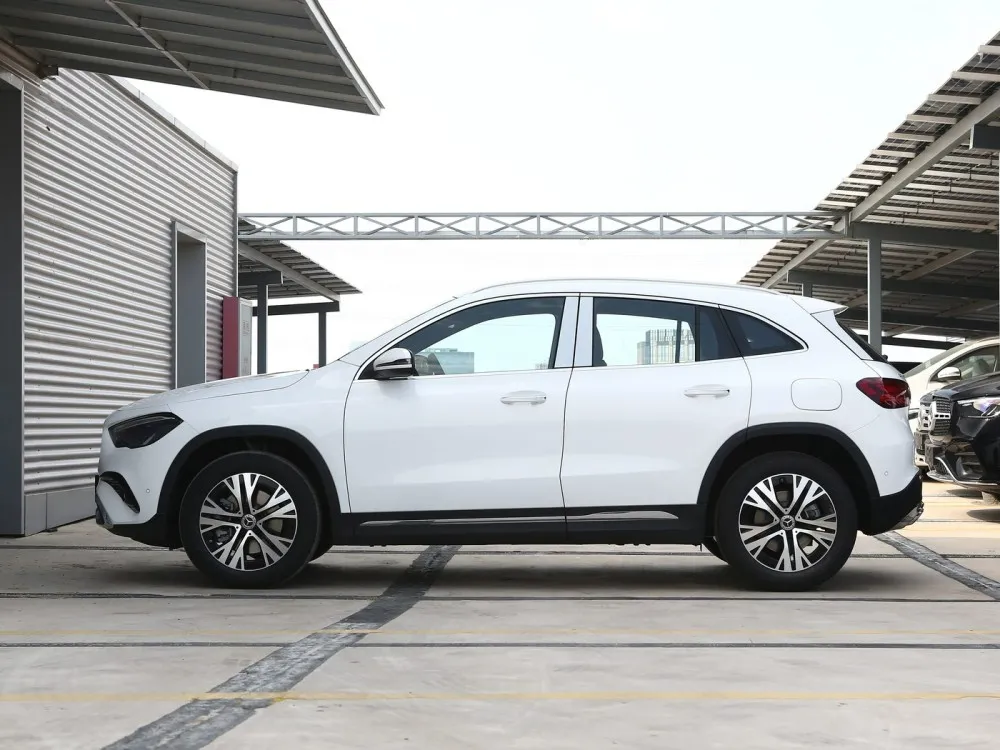
Performance & Engineering
Engineering a 7-passenger EV requires rigorous force analysis regarding weight distribution. With the battery pack situated low in the chassis, the vehicle achieves a low roll center, which is essential for mitigating the "top-heavy" tendency of larger vehicles. The suspension engineering typically involves a multi-link rear suspension system to maintain ride quality across all three rows, utilizing adaptive damping to compensate for varying load levels (e.g., 2 passengers vs. 7 passengers).
Power delivery is managed through a sophisticated Battery Management System (BMS) that monitors cell voltage and State of Charge (SoC) in real-time. For 7-passenger models, the thermal management system is expanded to include a high-capacity HVAC system with independent zoning for the second and third rows, utilizing a heat pump for increased efficiency in cold climates. Aerodynamic engineering is critical; given the larger frontal area of a 7-seater, manufacturers employ active grille shutters and optimized underbody cladding to reduce the drag coefficient (Cd), thereby extending the range despite the increased mass. Compliance is measured against stringent crash-test ratings, ensuring that the energy-absorbing zones (crumple zones) are sufficient for the increased kinetic energy of a fully loaded vehicle.
Technical Specifications
| Technical Parameter | Standard Specification | High-Performance Variant | Industrial Tolerance |
|---|---|---|---|
| Battery Capacity (kWh) | 85 kWh | 110 kWh | ± 2% |
| Drive Configuration | RWD (Single Motor) | AWD (Dual Motor) | N/A |
| Chassis Material | AHSS / Aluminum Mix | Carbon Fiber Reinforced | ± 0.5mm Deviation |
| Max Payload (kg) | 650 kg | 800 kg | ± 10 kg |
| Energy Consumption (kWh/100km) | 18.5 kWh | 21.2 kWh | ± 0.8 kWh |
| Charging Rate (DC Fast) | 120 kW | 240 kW | ± 5 kW |
Failure Mode & Maintenance
Failure analysis for large-scale EVs identifies three primary risk areas: battery degradation, suspension fatigue, and electronic control unit (ECU) thermal throttling. Due to the higher load of 7 passengers, the rear suspension bushings and dampers are subject to accelerated fatigue cracking. Maintenance protocols require a biennial inspection of the elastomeric components and torque verification of the chassis mounting bolts to prevent structural loosening over time.
Battery degradation typically occurs due to frequent deep-discharge cycles or inadequate thermal regulation during DC fast charging. This manifests as a reduction in available kWh and an increase in internal resistance. Professional maintenance involves "Cell Balancing" via software updates and the replacement of the coolant fluid every 50,000 km to prevent oxidation and maintain heat transfer efficiency. Furthermore, the high-voltage cabling is monitored for insulation degradation (dielectric breakdown), which can be detected through routine insulation resistance testing to prevent short-circuit failures.
Industry FAQ
Q: How does the increased weight of 7 passengers affect the real-world range of the EV?
A: Increased payload increases the rolling resistance and the energy required for acceleration. In a typical 7-passenger configuration, energy consumption can increase by 10-15% compared to a single-occupant scenario, depending on the aerodynamics and drive efficiency.
Q: What measures are taken to ensure the safety of passengers in the third row during a rear-end collision?
A: Manufacturers implement reinforced rear longitudinal beams and high-strength impact bars. The battery pack is also shielded by a reinforced rear bulkhead to prevent intrusion into the passenger cabin.
Q: Is the thermal management system capable of cooling all three rows effectively?
A: Yes, advanced 7-passenger EVs utilize multi-zone climate control systems with separate evaporators or auxiliary heating elements for the rear zones, linked to a central heat pump for maximum efficiency.
Q: What is the expected lifecycle of the battery pack under full-load operational conditions?
A: With standard BMS management and liquid cooling, the battery is designed to retain 80% of its original capacity over 1,500 to 2,000 full charge-discharge cycles, even under heavy load conditions.
Q: How do you handle the challenge of charging times for such high-capacity batteries?
A: By implementing 800V high-voltage architectures, manufacturers can increase the charging current while reducing heat generation, allowing 10% to 80% SoC recovery in under 30 minutes at compatible fast-chargers.
Conclusion
The technical execution of a 7-passenger EV requires a sophisticated integration of material science and power electronics. By leveraging a combination of AHSS and aluminum alloys, a china 7 passenger ev manufacturer can optimize the strength-to-weight ratio, ensuring that the vehicle remains efficient despite its increased volume and passenger capacity. The transition toward 800V architectures and advanced thermal management is essential for overcoming the range and charging hurdles inherent in large-format EVs.
Looking forward, the industry will likely shift toward solid-state batteries to further increase energy density and reduce the physical footprint of the battery pack, allowing for even greater interior flexibility. The continuous refinement of autonomous driving sensors and chassis control will further enhance the safety and stability of these multi-passenger vehicles, cementing their role as the primary mode of sustainable group transport in the global market.