
Apr . 01, 2024 17:55 Back to list
cheap hybrid cars suppliers Powertrain Systems and Supply Chain Analysis
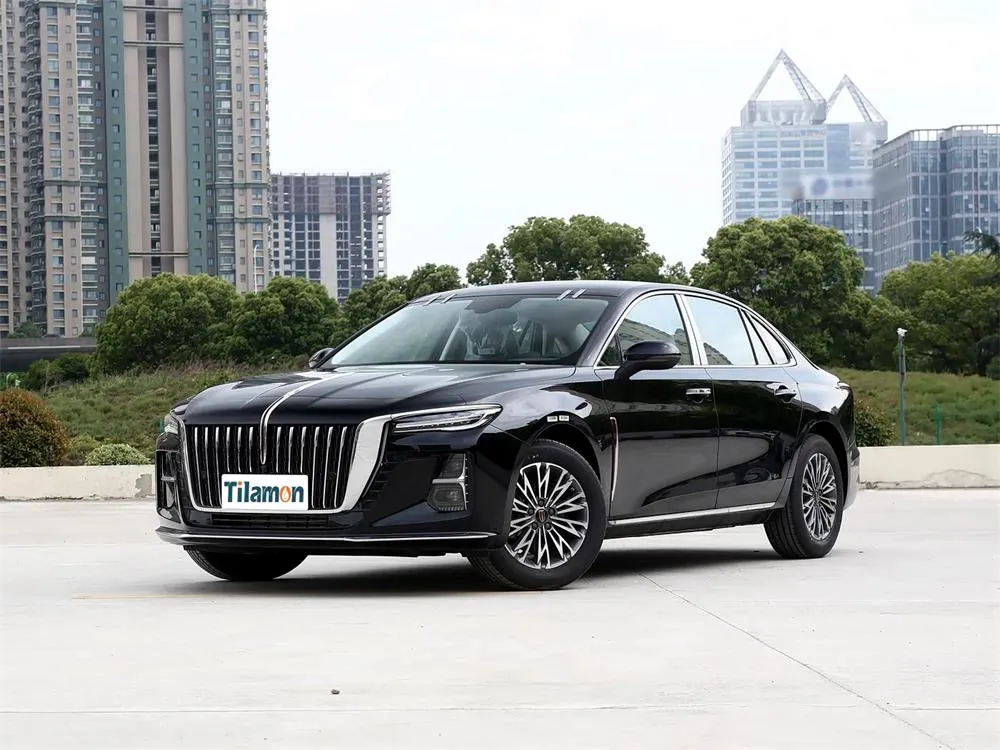
Hybrid Electric Vehicle Powertrain Systems and Supply Chain Analysis
The procurement of hybrid electric vehicles (HEVs) and plug-in hybrid electric vehicles (PHEVs) from cost-optimized suppliers requires a rigorous technical understanding of the integration between internal combustion engines (ICE) and electric propulsion systems. In the contemporary automotive industry chain, "cheap hybrid cars suppliers" refer to manufacturers that leverage economies of scale, standardized modular platforms, and strategic vertical integration to reduce the Total Cost of Ownership (TCO) without compromising critical safety and emissions standards. These vehicles occupy a pivotal technical position as the bridge between traditional fossil-fuel propulsion and full battery electric vehicles (BEVs), utilizing complex energy management systems (EMS) to optimize the synergy between chemical energy (fuel) and electrochemical energy (battery). The core performance is measured by the efficiency of the power-split device, the energy density of the traction battery, and the thermal management efficiency of the hybrid inverter.
Material Science & Manufacturing
The manufacturing efficiency of cost-competitive hybrid vehicles relies on the strategic selection of materials that balance structural integrity with mass reduction. For the chassis and body-in-white (BIW), suppliers utilize High-Strength Low-Alloy (HSLA) steels and advanced high-strength steels (AHSS) to maintain crashworthiness while reducing overall curb weight to offset the mass of the battery pack. In the powertrain, the transition toward aluminum alloy die-casting for engine blocks and transmission housings reduces thermal inertia and weight.
A critical focus in material science is the battery chemistry. Most cost-effective hybrid suppliers utilize Nickel-Metal Hydride (NiMH) for standard hybrids due to their robustness and lower cost, or Lithium-Iron Phosphate (LFP) for PHEVs. LFP is preferred over Nickel Manganese Cobalt (NMC) in budget-oriented segments due to the elimination of expensive cobalt and superior cycle life, despite a lower gravimetric energy density. The manufacturing process employs precision laser welding for battery tab connections to minimize internal resistance and automated cell-to-pack (CTP) assembly to reduce the number of modular components, thereby lowering labor costs and improving volumetric efficiency.
Furthermore, the electrical architecture involves high-conductivity oxygen-free copper for busbars and advanced polymer insulation for high-voltage cabling. The manufacturing of the power electronics utilizes Silicon Carbide (SiC) or insulated-gate bipolar transistors (IGBTs) mounted on aluminum nitride substrates for optimal heat dissipation, ensuring that the inverter can handle high current densities without thermal runaway.

Performance & Engineering
Engineering a cost-effective hybrid vehicle necessitates a sophisticated approach to force analysis and energy flow. The central engineering challenge is the optimization of the Power Split Device (PSD), typically a planetary gear set that allows the vehicle to operate in parallel, series, or combined modes. The efficiency of this system determines the vehicle's fuel economy and acceleration profiles. Engineers must calibrate the Engine Control Unit (ECU) and the Hybrid Control Unit (HCU) to manage the transition between the ICE and the electric motor to prevent torque ripples and ensure smooth longitudinal dynamics.
Environmental resistance is another critical engineering pillar. The battery pack must be encased in an IP67-rated enclosure to prevent moisture ingress and chemical corrosion from road salts. Thermal management is achieved through a combination of liquid cooling loops (using ethylene glycol/water mixtures) and forced-air cooling, ensuring the cells operate within the optimal window of 25°C to 40°C to prevent accelerated degradation. Compliance requirements are stringent, demanding adherence to global emissions standards (such as Euro 6d or EPA Tier 3), which requires the integration of advanced catalytic converters and particulate filters that can operate efficiently despite the intermittent heating cycles characteristic of hybrid engines.
From a structural engineering perspective, the placement of the battery pack is optimized to maintain a low center of gravity, enhancing lateral stability and reducing the roll gradient during high-speed cornering. The regenerative braking system is engineered to maximize kinetic energy recovery during deceleration, converting mechanical energy back into electrical energy via the traction motor acting as a generator, which simultaneously reduces the wear on the friction brake pads.
Technical Specifications
| Component System | Technical Parameter | Budget Segment Standard | Performance Metric |
|---|---|---|---|
| Traction Battery | Cell Chemistry | LFP / NiMH | > 2000 Charge Cycles |
| Power Electronics | Inverter Efficiency | SiC / IGBT | 95% - 98% Efficiency |
| Powertrain | System Configuration | Parallel/Series Hybrid | Combined Output 120-200 kW |
| Energy Management | Regenerative Braking | Multi-stage recovery | 15% - 25% Energy Recovery |
| Thermal System | Cooling Method | Liquid-cooled / Air-cooled | Operating Temp 15°C - 45°C |
| Chassis/Body | Material Composition | AHSS / Aluminum Alloy | Weight Reduction 5-10% |
Failure Mode & Maintenance
Analyzing the failure modes of cost-optimized hybrid vehicles reveals several critical vulnerabilities. The most prominent is battery degradation (capacity fade), often caused by deep discharge cycles or prolonged exposure to extreme temperatures, leading to increased internal resistance and reduced electric-only range. Another common failure mode is the degradation of the hybrid inverter's capacitors, which can lead to power instability or complete system shutdown.
Mechanical failures often manifest as wear in the power-split transmission or leakage in the hybrid cooling system. Oxidation of high-voltage connectors, if not properly sealed, can result in intermittent electrical faults or, in extreme cases, short circuits. Furthermore, the intermittent operation of the ICE can lead to carbon buildup in the combustion chamber and moisture accumulation in the engine oil, as the engine may not always reach optimal operating temperature during short urban trips.
Professional maintenance solutions involve a proactive regime: 1) Periodic battery health diagnostics using State of Health (SoH) algorithms to monitor voltage imbalances across cells. 2) Flushing and replacing the dielectric coolant in the inverter and battery cooling loops every 40,000 to 60,000 kilometers. 3) High-voltage insulation testing (Megohmmeter testing) to ensure no leakage currents are present in the chassis. 4) Implementing oil additives to counteract the effects of fuel dilution and moisture in the ICE.
Industry FAQ
Q: How do cost-effective hybrid suppliers maintain safety standards while reducing prices?
A: Suppliers achieve this through the standardization of components. By using industry-standard LFP cells and modular chassis platforms across multiple models, they reduce R&D overhead and achieve bulk purchasing power for raw materials while adhering to mandatory ISO 26262 functional safety standards.
Q: What is the primary technical difference between the batteries used by premium and budget hybrid suppliers?
A: Premium suppliers often utilize NMC (Nickel Manganese Cobalt) for higher energy density and lighter weight. Budget suppliers prioritize LFP (Lithium Iron Phosphate) or NiMH, which offer lower costs and superior thermal stability and cycle life, although they are heavier for the same energy capacity.
Q: Does a lower purchase price imply a shorter lifespan for the hybrid powertrain?
A: Not necessarily. Lifespan is dictated by the Battery Management System (BMS) logic and the quality of thermal management. Many budget-tier hybrids use conservative charging profiles (e.g., charging to 80-90% SoC) to extend the chemical life of the battery cells.
Q: What are the most common failure points in "cheap" hybrid systems compared to luxury ones?
A: Budget hybrids may exhibit higher NVH (Noise, Vibration, Harshness) levels during the transition from electric to gas mode due to simpler damping materials and less complex software tuning in the HCU.
Q: How is the energy efficiency of these vehicles verified internationally?
A: Efficiency is verified through standardized drive cycles such as the WLTP (Worldwide Harmonized Light Vehicles Test Procedure) or the EPA cycles, which measure fuel consumption and CO2 emissions under controlled laboratory conditions.
Conclusion
The technical viability of vehicles from cost-optimized hybrid suppliers is rooted in the strategic application of material science and the optimization of powertrain synergy. By leveraging LFP battery chemistry and modular AHSS structures, these manufacturers provide a scalable solution to decarbonization without requiring the massive infrastructure investment associated with full electrification. The critical success factor lies in the balance between the energy management system's efficiency and the long-term durability of the electrochemical cells.
Looking forward, the industry will likely see a shift toward more integrated "3-in-1" drive units (combining the motor, inverter, and gearbox) to further reduce costs and improve volumetric efficiency. For procurement managers and engineers, the focus must remain on the State of Health (SoH) of the battery and the robustness of the thermal management systems to ensure that low initial acquisition costs do not lead to prohibitive maintenance expenses over the vehicle's lifecycle.