
Apr . 01, 2024 17:55 Back to list
cheap 7 passenger ev suppliers Performance Engineering
Introduction
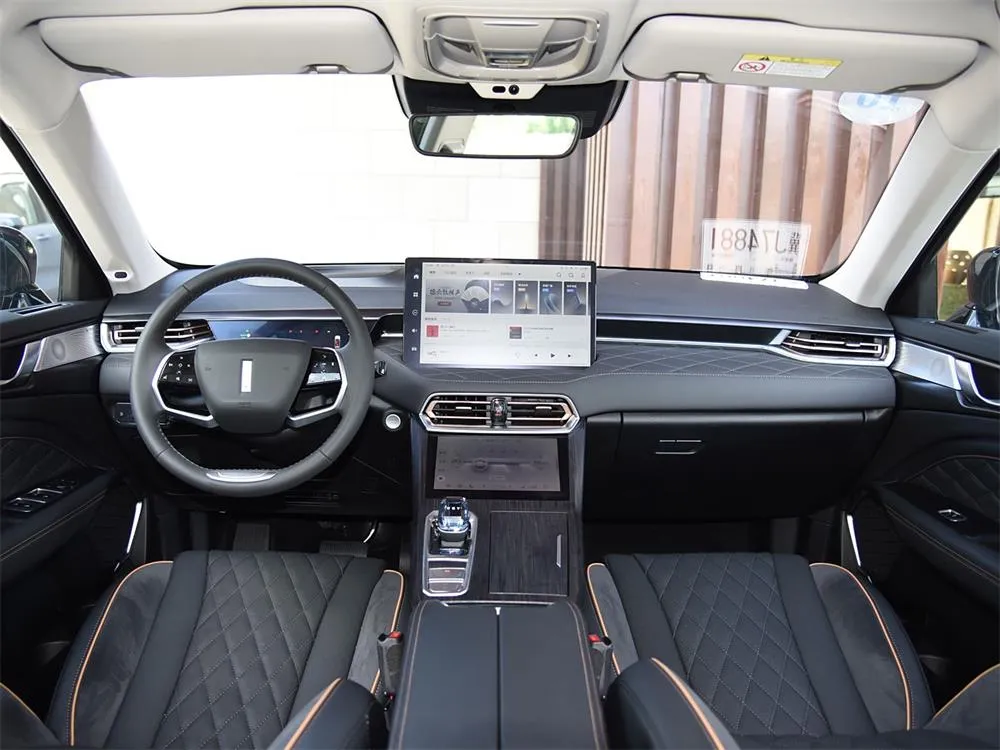
The market for seven-passenger Electric Vehicles (EVs) represents a significant growth area, particularly within the burgeoning segment of affordable electric transportation. 'Cheap 7 passenger ev suppliers' addresses the increasing demand for family-sized EVs that are accessible to a broader consumer base. These vehicles typically prioritize cost-effectiveness through localized manufacturing, streamlined component sourcing, and optimized battery chemistry. Positioned within the automotive supply chain between Tier 1 manufacturers and end consumers, these suppliers often focus on complete vehicle assembly, or the provision of key EV sub-systems, including battery packs, electric motors, and power electronics. Core performance characteristics – range, charging time, passenger and cargo capacity, and safety features – are critical differentiators in this competitive landscape. A key challenge for these suppliers is balancing affordability with acceptable levels of performance, durability, and adherence to increasingly stringent safety regulations.
Material Science & Manufacturing
The construction of affordable seven-passenger EVs relies heavily on material selection and efficient manufacturing processes. The chassis typically utilizes high-strength, low-alloy (HSLA) steel to minimize weight while maintaining structural integrity. Body panels often incorporate stamped steel, with increasing adoption of aluminum alloys in localized areas (hood, doors) to further reduce mass. Battery pack construction utilizes Lithium Iron Phosphate (LiFePO4) cells, favored for their lower cost, thermal stability, and longer cycle life, although at the expense of energy density compared to Nickel Manganese Cobalt (NMC) chemistries. Plastic components, primarily polypropylene (PP) and acrylonitrile butadiene styrene (ABS), are widely used for interior trim and non-structural exterior parts, selected for their low cost and ease of molding. Manufacturing processes include robotic welding for chassis assembly, large-scale stamping for body panels, and injection molding for plastic components. Battery pack assembly requires precise cell alignment, thermal management system integration (liquid cooling is increasingly common), and robust enclosure sealing to prevent ingress of moisture and contaminants. Critical parameter control includes weld quality inspection (non-destructive testing – NDT), dimensional accuracy of stamped parts (CMM inspection), and battery cell voltage/resistance matching during assembly to ensure pack performance and longevity. Surface treatments such as electrocoating (e-coat) provide corrosion protection for steel components.
Performance & Engineering
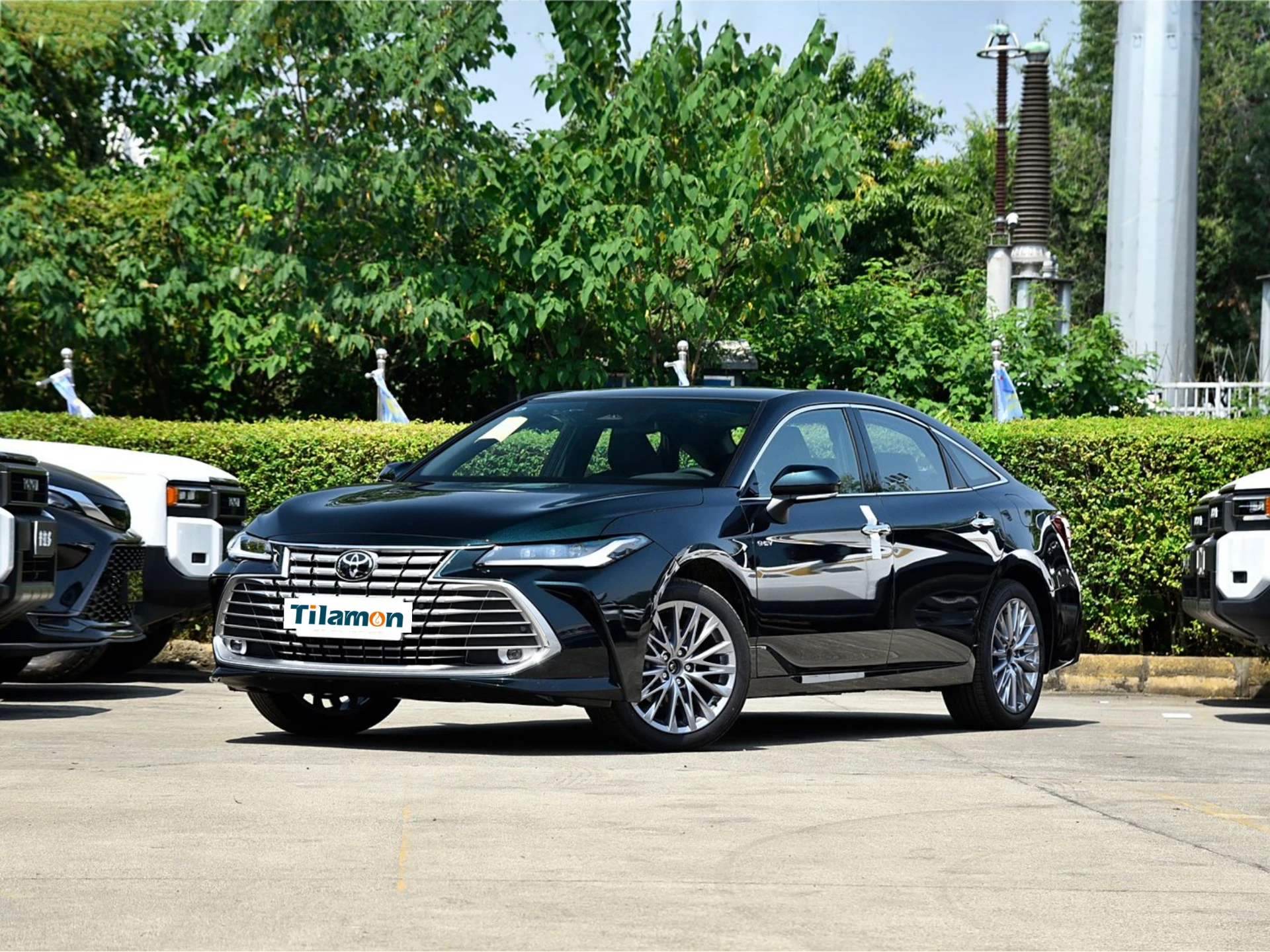
Performance characteristics of these EVs are dictated by a complex interplay of factors. Force analysis during crash testing (frontal, side, rollover) is paramount, informing the design of the vehicle's structural cage and restraint systems. Electric motor efficiency (typically permanent magnet synchronous motors - PMSM) directly impacts range, and is optimized through careful winding design and cooling system implementation. Suspension tuning focuses on providing a comfortable ride while accommodating the significant weight of the battery pack. Thermal management is critical, not only for battery health and longevity but also for maintaining optimal operating temperatures for the motor, power electronics, and cabin climate control. Environmental resistance is addressed through extensive testing for corrosion (salt spray testing), UV exposure (accelerated weathering), and temperature extremes. Compliance requirements vary by region, but generally include adherence to FMVSS (Federal Motor Vehicle Safety Standards) in the US, ECE regulations in Europe, and similar standards in other markets. Functional implementation of regenerative braking systems is optimized to maximize energy recapture during deceleration, improving overall efficiency. Software control systems manage battery charging/discharging, motor control, and vehicle stability functions.
Technical Specifications
| Parameter | Value (Typical) | Unit | Testing Standard |
|---|---|---|---|
| Battery Capacity | 60 | kWh | IEC 62660-1 |
| Range (WLTP) | 400 | km | WLTP |
| Peak Power | 150 | kW | SAE J1349 |
| 0-100 km/h Acceleration | 10.5 | s | ISO 6469 |
| Maximum Speed | 160 | km/h | ECE R44 |
| Charging Time (DC Fast Charging) | 30 | min (20-80%) | CHAdeMO/CCS |
Failure Mode & Maintenance
Seven-passenger EVs, while robust, are susceptible to specific failure modes. Battery degradation, primarily due to dendrite formation and capacity fade, is a common concern, accelerated by extreme temperatures and improper charging practices. Electric motor failures can arise from bearing wear, winding insulation breakdown, and inverter malfunctions. Power electronics, particularly the inverter and DC-DC converter, are vulnerable to overheating and component failure due to thermal cycling. Suspension components (control arms, bushings) are subject to fatigue cracking due to road vibrations and load stresses. Brake system failures can occur due to corrosion of brake lines, wear of brake pads, and malfunction of the regenerative braking system. Maintenance solutions include regular battery health checks (state-of-health – SOH analysis), cooling system flushes, lubrication of suspension components, brake fluid replacement, and software updates to optimize system performance. Preventative maintenance schedules should adhere to manufacturer recommendations. Failure analysis techniques, including visual inspection, electrical testing, and material analysis (scanning electron microscopy – SEM), are crucial for diagnosing root causes and implementing effective corrective actions. Proper thermal management is paramount in preventing premature component failure.
Industry FAQ
Q: What is the typical lifespan of a LiFePO4 battery in a 7-passenger EV, and what factors influence it?
A: A well-maintained LiFePO4 battery in a 7-passenger EV can typically last 8-10 years or 200,000-300,000 km. Lifespan is significantly influenced by charging habits (avoiding full discharge/charge), operating temperature (extreme heat/cold accelerates degradation), and charging infrastructure (consistent use of quality chargers). Depth of discharge (DoD) also plays a critical role; shallower discharges generally extend battery life.
Q: How does the weight of the battery pack impact the vehicle's handling and suspension design?
A: The substantial weight of the battery pack (typically 400-600 kg) significantly lowers the vehicle’s center of gravity, improving stability and reducing body roll. However, it also increases the load on the suspension system, requiring stiffer springs and dampers to maintain ride height and handling precision. Reinforced chassis components are often necessary to accommodate the increased weight.
Q: What are the key differences in safety standards for EVs compared to internal combustion engine (ICE) vehicles?
A: EV safety standards (e.g., FMVSS 305 for electric vehicle battery safety) address hazards specific to electric propulsion systems, including high-voltage electrical shock, battery thermal runaway, and fire risks. ICE vehicles focus more on fuel flammability and crashworthiness. EV standards include stricter requirements for battery containment, insulation, and emergency disconnect systems.
Q: What is the impact of regenerative braking on brake pad wear?
A: Regenerative braking significantly reduces reliance on friction brakes, substantially extending brake pad lifespan. In many driving scenarios, regenerative braking can handle the majority of deceleration, minimizing wear on the physical brake components. However, friction brakes are still required for emergency stopping and as a backup system.
Q: How does the choice of motor type (PMSM vs. Induction) affect the overall efficiency and cost of the EV?
A: Permanent Magnet Synchronous Motors (PMSM) generally offer higher efficiency and power density compared to induction motors, but are more expensive due to the use of rare earth magnets. Induction motors are less expensive and don't rely on rare earth materials, but typically exhibit lower efficiency and require more complex control strategies.
Conclusion
The supply of affordable seven-passenger EVs is a rapidly evolving segment, driven by consumer demand and technological advancements. Successfully navigating this market requires a holistic approach encompassing optimized material selection, efficient manufacturing processes, robust engineering design, and adherence to stringent safety standards. The long-term viability of these vehicles depends on minimizing battery degradation, ensuring reliable performance, and providing cost-effective maintenance solutions.
Future developments will likely focus on increased battery energy density, faster charging technologies, and the integration of advanced driver-assistance systems (ADAS) to enhance safety and convenience. Standardization of charging infrastructure and the development of sustainable battery recycling processes are also crucial for the continued growth of the electric vehicle market. A focus on lifecycle assessment and reduction of environmental impact will be increasingly important.