
Apr . 01, 2024 17:55 Back to list
buy new energy vehicle products Technical Analysis
Introduction
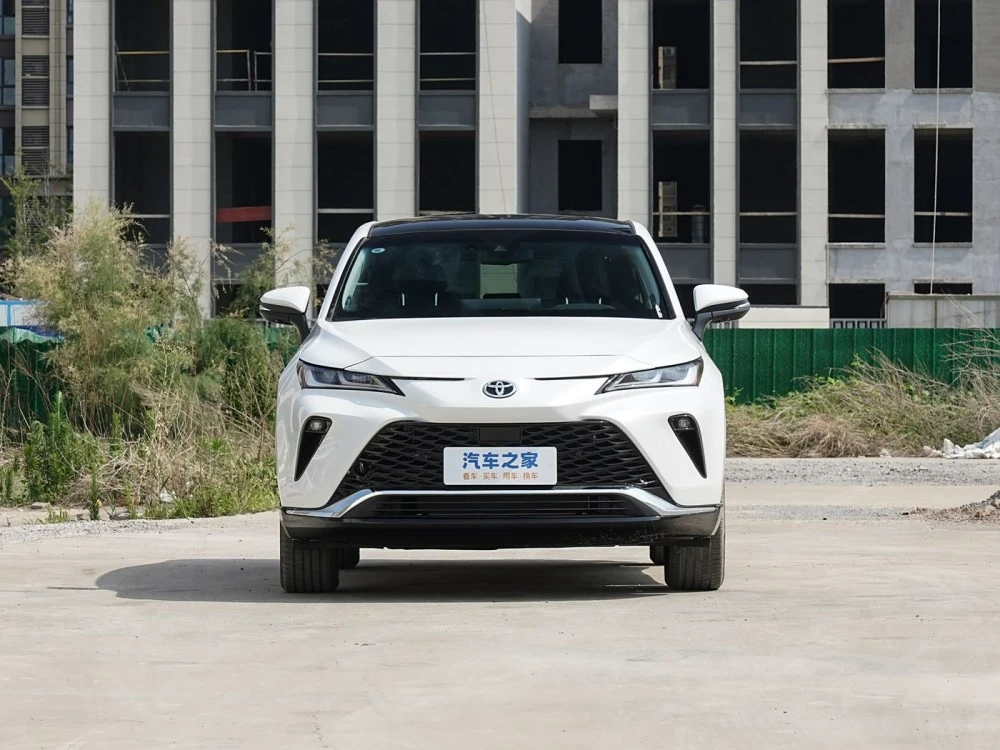
New energy vehicles (NEVs) – encompassing battery electric vehicles (BEVs), plug-in hybrid electric vehicles (PHEVs), and fuel cell electric vehicles (FCEVs) – represent a paradigm shift in the automotive industry. Positioned as a crucial component in mitigating greenhouse gas emissions and reducing reliance on fossil fuels, NEVs necessitate a comprehensive understanding of their underlying technologies, materials, and manufacturing processes. This guide provides an in-depth technical analysis of NEVs, focusing on critical aspects from material science and performance engineering to failure modes and industry standards. A core pain point within the industry revolves around ensuring consistent battery performance, longevity, and safety across varying operational conditions and over extended lifecycles. Procurement managers and engineers alike require granular data to accurately assess the total cost of ownership (TCO), evaluate supply chain risks, and guarantee vehicle reliability. Furthermore, adherence to increasingly stringent global regulations regarding emissions and safety is paramount.
Material Science & Manufacturing
The performance and durability of NEVs are intrinsically linked to the materials employed in their construction. High-strength, low-alloy (HSLA) steels and aluminum alloys are prevalent in the vehicle body, offering a balance of structural integrity and weight reduction. However, the battery pack constitutes the most technically challenging aspect. Lithium-ion batteries, currently the dominant technology, rely on cathode materials such as Lithium Nickel Manganese Cobalt Oxide (NMC), Lithium Iron Phosphate (LFP), and Nickel Cobalt Aluminum Oxide (NCA). Each material exhibits distinct electrochemical properties influencing energy density, cycle life, and thermal stability. Anode materials typically consist of graphite, though silicon-based anodes are gaining traction due to their higher theoretical capacity. Manufacturing processes for battery cells involve precise control over electrode coating, electrolyte filling, and cell assembly within a dry room environment to minimize moisture contamination. Electric motor manufacturing leverages specialized techniques for stator winding, rotor assembly, and magnetic core lamination. The precise control of air gap tolerances and magnetic material properties are crucial for maximizing motor efficiency. Furthermore, thermal management systems utilize advanced materials like phase change materials (PCMs) and heat pipes to effectively dissipate heat generated by the battery and powertrain components. Polymer materials, including polypropylene (PP) and acrylonitrile butadiene styrene (ABS), are used extensively in interior components, demanding specific flammability ratings and resistance to UV degradation.
Performance & Engineering
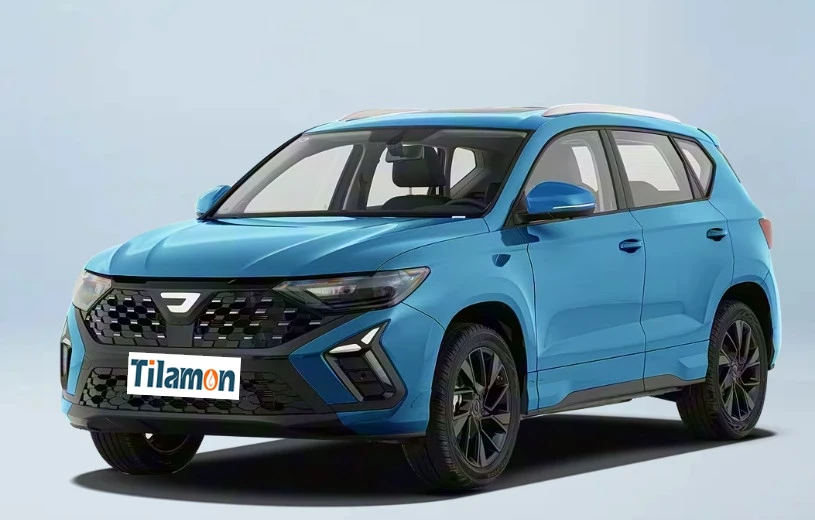
The performance of NEVs is dictated by a complex interplay of factors, including battery capacity, motor efficiency, vehicle weight, and aerodynamic drag. Force analysis during crash scenarios necessitates the design of robust battery enclosures and vehicle structures to protect occupants and prevent thermal runaway. Environmental resistance is critical, particularly concerning battery performance in extreme temperatures. Battery management systems (BMS) employ sophisticated algorithms to optimize charging and discharging profiles, monitor cell voltages and temperatures, and prevent overcharge/discharge conditions. Compliance requirements vary geographically, but typically encompass safety standards such as UN ECE R100 (electric vehicle safety) and electromagnetic compatibility (EMC) regulations. Functional implementation of regenerative braking systems requires precise control over motor torque and inverter operation to maximize energy recovery. Thermal management engineering is paramount, utilizing computational fluid dynamics (CFD) simulations to optimize coolant flow paths and heat exchanger designs. The impact of varying road conditions and driving styles on energy consumption must be carefully considered. The integration of advanced driver-assistance systems (ADAS) relies on reliable sensors and control algorithms, demanding rigorous testing and validation to ensure functional safety (ISO 26262).
Technical Specifications
| Battery Capacity (kWh) | Motor Power (kW) | Range (km) - WLTP | Charging Time (0-80%) - DC Fast Charging (minutes) |
|---|---|---|---|
| 40 | 100 | 320 | 30 |
| 60 | 150 | 450 | 40 |
| 80 | 200 | 580 | 45 |
| 100 | 250 | 700 | 50 |
| 120 | 300 | 820 | 55 |
| 150 | 350 | 950 | 60 |
Failure Mode & Maintenance
NEVs, while generally reliable, are susceptible to specific failure modes. Battery degradation, characterized by reduced capacity and increased internal resistance, is a primary concern. This degradation is accelerated by high charge/discharge rates, extreme temperatures, and prolonged exposure to a fully charged or fully discharged state. Thermal runaway, a cascading exothermic reaction within the battery cells, poses a significant safety hazard and can lead to fire. Fatigue cracking in high-stress components of the powertrain, such as the motor housing and gearbox, can occur due to cyclic loading. Delamination of the battery pack's thermal interface material (TIM) can reduce heat dissipation efficiency, leading to overheating. Oxidation of electrical connectors and busbars can increase resistance and reduce current carrying capacity. Preventive maintenance includes regular battery health checks, visual inspections for corrosion and damage, coolant level monitoring, and software updates for the BMS and powertrain control units. Diagnostic tools, such as battery impedance analyzers and thermal imaging cameras, can assist in identifying potential issues. Proper disposal of end-of-life batteries is crucial to recover valuable materials and prevent environmental contamination, adhering to regulations like the EU Battery Directive.
Industry FAQ
Q: What are the primary factors influencing the cost of NEV batteries, and how are these costs expected to evolve?
A: The cost of NEV batteries is heavily influenced by raw material prices (lithium, nickel, cobalt), manufacturing scale, and cell chemistry. Currently, NMC batteries are common, but LFP batteries are gaining prominence due to their lower cost and improved safety. Costs are expected to continue decreasing with advancements in cell technology, increased manufacturing capacity, and supply chain optimization. Solid-state batteries, though still in development, promise higher energy density and improved safety, potentially further reducing costs in the long term.
Q: How does extreme temperature impact battery performance and longevity, and what mitigation strategies are employed?
A: Extreme temperatures significantly affect battery performance. Cold temperatures reduce ion conductivity, leading to lower power output and reduced range. High temperatures accelerate battery degradation and increase the risk of thermal runaway. Mitigation strategies include thermal management systems (heating and cooling), optimized BMS algorithms, and the use of battery materials with improved temperature tolerance.
Q: What are the key considerations when selecting an electric motor for an NEV application?
A: Key considerations include motor power, torque, efficiency, weight, and cost. Permanent magnet synchronous motors (PMSMs) are commonly used due to their high efficiency and power density, but induction motors are also employed in some applications. The motor's operating speed range, cooling requirements, and compatibility with the inverter are crucial factors. Furthermore, the motor’s ability to withstand vibrations and shocks should be carefully evaluated.
Q: What is the role of the Battery Management System (BMS) in ensuring the safety and reliability of NEVs?
A: The BMS is critical for monitoring and controlling all aspects of battery operation. It protects against overcharge, overdischarge, overcurrent, and overheating. It balances the voltage of individual cells to maximize battery life and capacity. It also provides accurate state-of-charge (SOC) and state-of-health (SOH) estimations, enabling efficient energy management and predictive maintenance.
Q: What are the challenges associated with the end-of-life management of NEV batteries, and what sustainable solutions are being developed?
A: End-of-life battery management poses significant challenges due to the presence of hazardous materials and the potential for environmental contamination. Sustainable solutions include battery recycling to recover valuable materials (lithium, cobalt, nickel), repurposing batteries for second-life applications (e.g., energy storage systems), and developing more environmentally friendly battery chemistries. Regulations and extended producer responsibility schemes are crucial for promoting responsible battery management practices.
Conclusion
New energy vehicles represent a technologically advanced and rapidly evolving sector. A thorough understanding of the materials science, manufacturing processes, performance characteristics, and potential failure modes is essential for ensuring their reliability, safety, and long-term sustainability. The complexity of NEV technology necessitates a holistic approach to design, testing, and maintenance, encompassing everything from battery chemistry to thermal management and electrical system integration.
Future advancements will likely focus on improving battery energy density, reducing charging times, and lowering costs. The development of solid-state batteries, wireless charging technologies, and advanced driver-assistance systems will further enhance the performance and convenience of NEVs. Continued innovation in materials science and manufacturing processes, coupled with robust regulatory frameworks and sustainable end-of-life management strategies, will be critical for realizing the full potential of this transformative technology.