
Apr . 01, 2024 17:55 Back to list
buy electric 7 seater suv products Performance Engineering

Introduction
Electric seven-seater Sport Utility Vehicles (SUVs) represent a growing segment within the automotive industry, driven by increasing environmental consciousness and the demand for spacious, versatile transportation. These vehicles occupy a unique position in the electric vehicle (EV) value chain, bridging the gap between passenger comfort and zero-emission technology. Core performance characteristics focus on battery capacity and range, charging infrastructure compatibility, passenger and cargo volume, and safety features. The emergence of this vehicle type addresses a key consumer pain point: the lack of readily available electric options for larger families or groups requiring substantial space. This guide provides an in-depth technical overview of electric seven-seater SUVs, covering material science, manufacturing processes, performance engineering, potential failure modes, and relevant industry standards.
Material Science & Manufacturing
The construction of an electric seven-seater SUV involves a complex interplay of material science and advanced manufacturing techniques. The chassis commonly utilizes high-strength steel (HSLA) and aluminum alloys to balance weight reduction with structural rigidity. HSLA steels, with compositions including manganese, silicon, and vanadium, offer increased yield strength and improved weldability compared to conventional carbon steels. Aluminum alloys, particularly those from the 6000 and 7000 series, contribute to further weight savings in body panels and structural components. Battery pack enclosures often employ aluminum due to its lightweight properties and excellent thermal conductivity, crucial for heat dissipation during charging and discharging. Interior components increasingly integrate bio-based plastics and recycled materials to promote sustainability.
Manufacturing processes are equally sophisticated. Battery pack assembly is highly automated, requiring precision placement of lithium-ion cells (typically NMC or NCA chemistry) and robust thermal management systems. Welding, using robotic arms and laser welding techniques, joins steel components with high accuracy and minimal distortion. Body panel forming utilizes progressive die stamping and hydroforming to achieve complex shapes with consistent quality. Electric motor production involves precision machining of stator and rotor components, followed by automated winding of copper coils. The integration of these various components demands rigorous quality control and adherence to stringent manufacturing parameters, including weld integrity, material composition verification, and battery cell performance testing.
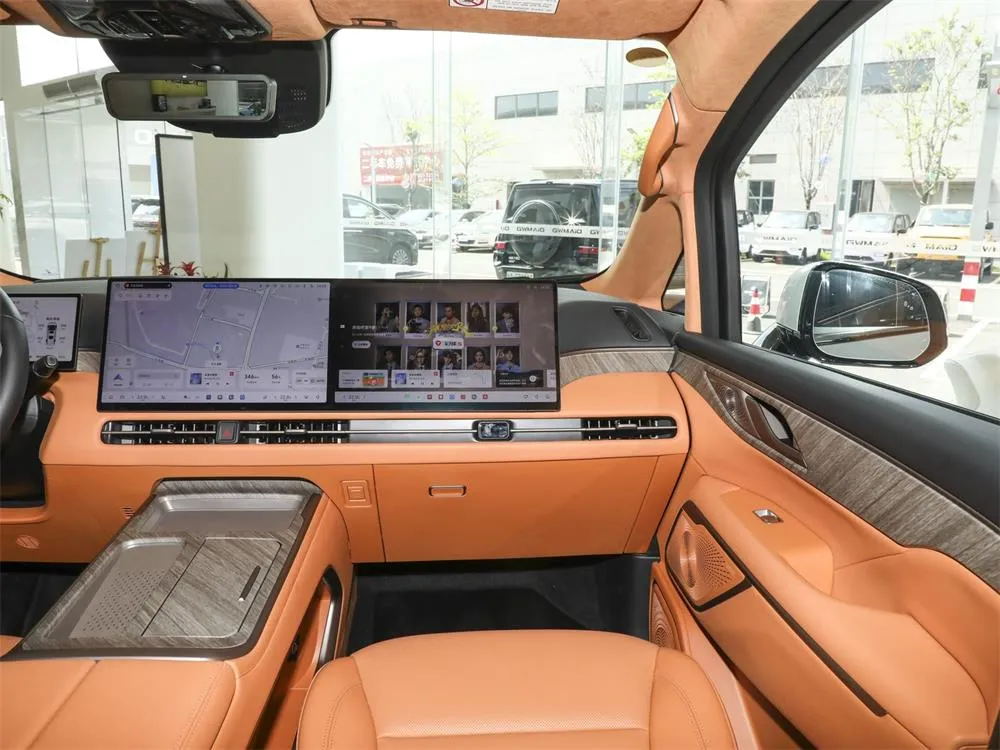
Performance & Engineering
Performance engineering of electric seven-seater SUVs centers on maximizing range, optimizing energy efficiency, and ensuring passenger safety. Range is directly proportional to battery capacity (measured in kWh) and inversely proportional to energy consumption (kWh/100km). Factors influencing energy consumption include vehicle weight, aerodynamic drag (coefficient of drag, Cd), rolling resistance (tire compound and pressure), and auxiliary load (HVAC system, infotainment). Force analysis during crash scenarios is critical, requiring extensive finite element analysis (FEA) to optimize structural design and minimize impact forces on occupants.
Environmental resistance is a key consideration. Battery thermal management systems (BTMS) must maintain optimal operating temperatures (-20°C to 60°C) across a wide range of climatic conditions. Corrosion prevention is crucial, particularly in regions with high salt content or humidity. Materials selection and protective coatings play a vital role in mitigating corrosion. Compliance requirements are extensive, encompassing safety standards (e.g., NHTSA, Euro NCAP), emissions regulations (e.g., WLTP, EPA), and battery safety standards (e.g., UN 38.3). Functional implementation of regenerative braking systems requires precise control algorithms and robust hardware components to maximize energy recovery and enhance braking performance. Furthermore, the integration of advanced driver-assistance systems (ADAS) like adaptive cruise control and lane-keeping assist necessitates sophisticated sensor fusion and control strategies.
Technical Specifications
| Parameter | Unit | Typical Value (Range) | Industry Standard/Test Method |
|---|---|---|---|
| Battery Capacity | kWh | 75-100 | SAE J2931 |
| Range (WLTP) | km | 400-600 | WLTP (Worldwide Harmonised Light Vehicles Test Procedure) |
| Charging Time (DC Fast Charging 10-80%) | minutes | 30-60 | IEC 61851-23 |
| Maximum Power | kW | 200-300 | DIN 70030 |
| Coefficient of Drag (Cd) | - | 0.28-0.32 | ISO 3889-1 |
| Gross Vehicle Weight Rating (GVWR) | kg | 2500-2800 | Varies by region (e.g., SAE J1199) |
Failure Mode & Maintenance
Electric seven-seater SUVs are susceptible to several failure modes. Battery degradation, characterized by reduced capacity and increased internal resistance, is a primary concern. This is accelerated by extreme temperatures, frequent fast charging, and deep discharge cycles. Thermal runaway, a potentially catastrophic event involving uncontrolled heat generation within a battery cell, can occur due to internal shorts or external damage. Electric motor failures can result from bearing wear, insulation breakdown, or inverter malfunctions. Suspension component fatigue cracking is common due to the increased weight of the vehicle. Delamination of adhesive joints in body panels can occur due to thermal stress and UV exposure.
Maintenance solutions include periodic battery health checks (State of Health – SOH), thermal management system inspections (coolant levels, pump operation), electric motor bearing lubrication, suspension component replacements, and regular tire pressure monitoring. Proactive monitoring of battery temperature and voltage is crucial for preventing thermal runaway. Software updates can optimize battery management algorithms and improve overall system performance. Adherence to recommended maintenance schedules and the use of qualified technicians are essential for ensuring vehicle reliability and longevity. Furthermore, proper charging practices, avoiding overcharging and prolonged exposure to extreme temperatures, can significantly extend battery lifespan.
Industry FAQ
Q: What is the expected lifespan of the battery pack in an electric seven-seater SUV?
A: The expected lifespan of a battery pack is typically 8-10 years or 160,000-200,000 kilometers, but this can vary significantly based on usage patterns, charging habits, and environmental conditions. Battery Management Systems (BMS) actively manage cell balancing and temperature control to maximize lifespan, but degradation is inevitable over time. Degradation is usually measured as a percentage reduction in usable capacity.
Q: How does the increased weight of an electric SUV impact its handling and braking performance?
A: The increased weight due to the battery pack presents challenges to handling and braking. Suspension systems are typically tuned with stiffer springs and dampers to compensate for the added mass. Regenerative braking helps mitigate the impact on brake wear and improves energy efficiency. However, drivers should be aware of the increased stopping distances, particularly in emergency situations.
Q: What are the key considerations when selecting a charging infrastructure for a fleet of electric seven-seater SUVs?
A: Key considerations include charging speed (Level 2 vs. DC Fast Charging), the number of charging stations required to meet fleet needs, grid capacity limitations, and the availability of renewable energy sources. A robust charging infrastructure management system is essential for monitoring energy consumption, scheduling charging sessions, and optimizing costs. Interoperability with different charging networks is also crucial.
Q: How do extreme temperatures affect the performance and range of an electric seven-seater SUV?
A: Extreme temperatures can significantly reduce battery performance and range. Cold temperatures increase internal resistance and reduce battery capacity. Hot temperatures can accelerate battery degradation. Battery thermal management systems are designed to mitigate these effects, but range reduction of up to 40% is possible in very cold conditions. Pre-conditioning the battery before driving can help minimize range loss.
Q: What safety certifications are essential for electric seven-seater SUVs to meet regulatory requirements?
A: Essential safety certifications include UN 38.3 for battery transport, NHTSA or Euro NCAP crash testing, and compliance with electromagnetic compatibility (EMC) standards. Battery packs must also meet stringent fire safety requirements, including cell-level and pack-level protection mechanisms. Regular safety inspections and adherence to industry best practices are crucial for maintaining vehicle safety.
Conclusion
Electric seven-seater SUVs represent a significant advancement in sustainable transportation, offering a compelling alternative to traditional internal combustion engine vehicles. Their performance is intrinsically linked to advancements in battery technology, materials science, and manufacturing precision. Understanding the interplay of these factors is crucial for optimizing vehicle range, ensuring passenger safety, and maximizing operational efficiency. Continued innovation in battery chemistry, thermal management, and lightweight materials will further enhance the viability and appeal of these vehicles.
Looking ahead, the integration of vehicle-to-grid (V2G) technology and the development of more robust and cost-effective charging infrastructure will be pivotal for widespread adoption. Furthermore, ongoing research into solid-state batteries and alternative battery chemistries promises to deliver even higher energy density, faster charging times, and improved safety characteristics, solidifying the position of electric seven-seater SUVs as a cornerstone of the future automotive landscape.