
Apr . 01, 2024 17:55 Back to list
7 passenger ev pricelist Performance Analysis
Introduction
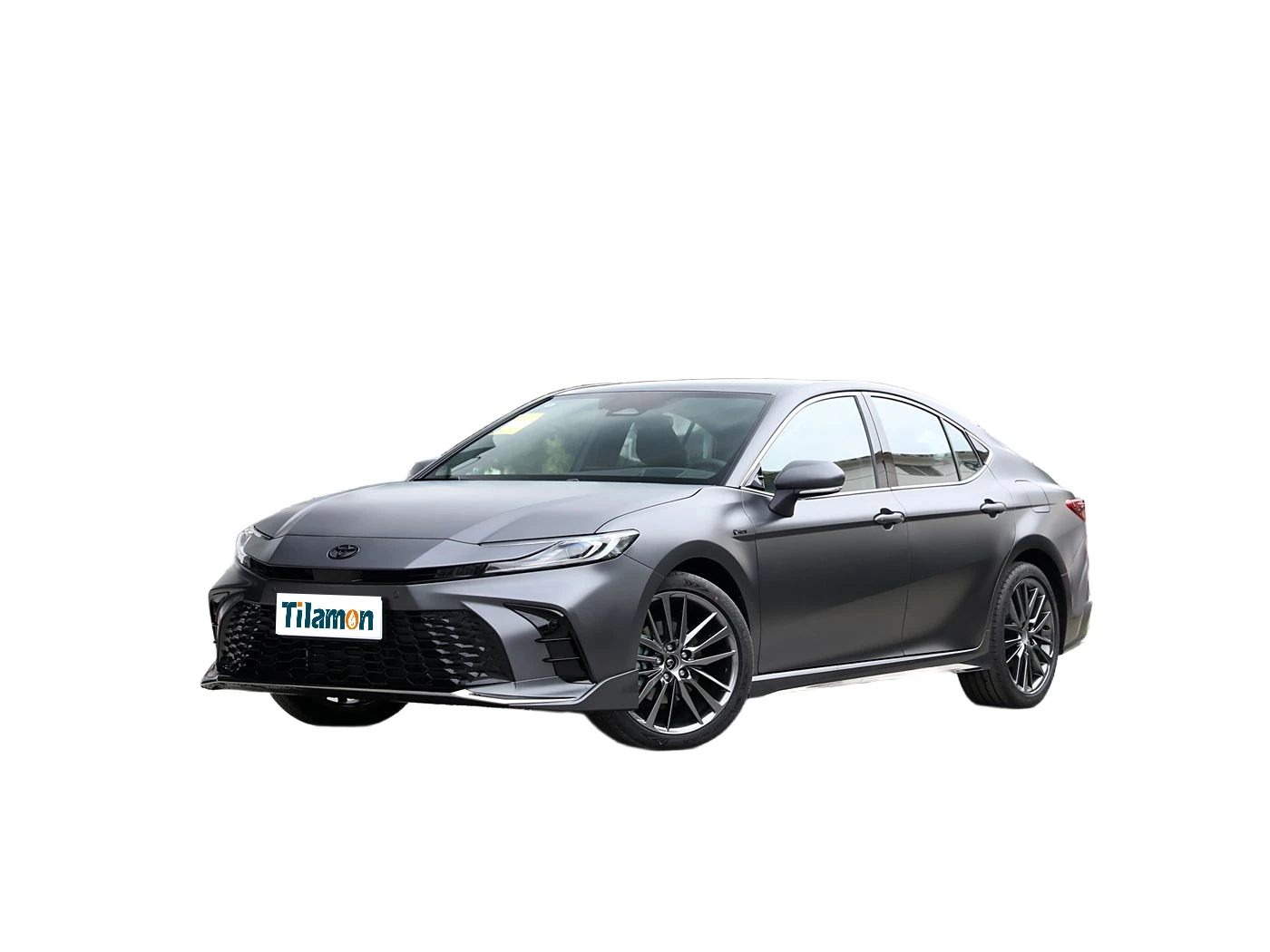
The market for 7-passenger electric vehicles (EVs) represents a growing segment within the broader electrification of transportation. These vehicles address a critical consumer need – combining the environmental benefits of electric propulsion with the practicality of accommodating larger families or groups. This technical guide details the material science, manufacturing processes, performance characteristics, potential failure modes, and relevant industry standards associated with 7-passenger EVs. The primary driver for their increasing adoption is the demand for sustainable transportation solutions without compromising passenger capacity or utility. These vehicles typically feature larger battery packs to accommodate increased weight and energy demands, and necessitate robust thermal management systems. Their position in the automotive supply chain involves sourcing of specialized battery chemistries, high-strength steel and aluminum alloys for chassis construction, and sophisticated electronic control systems. Core performance characteristics revolve around range, charging time, passenger volume, and total cost of ownership.
Material Science & Manufacturing
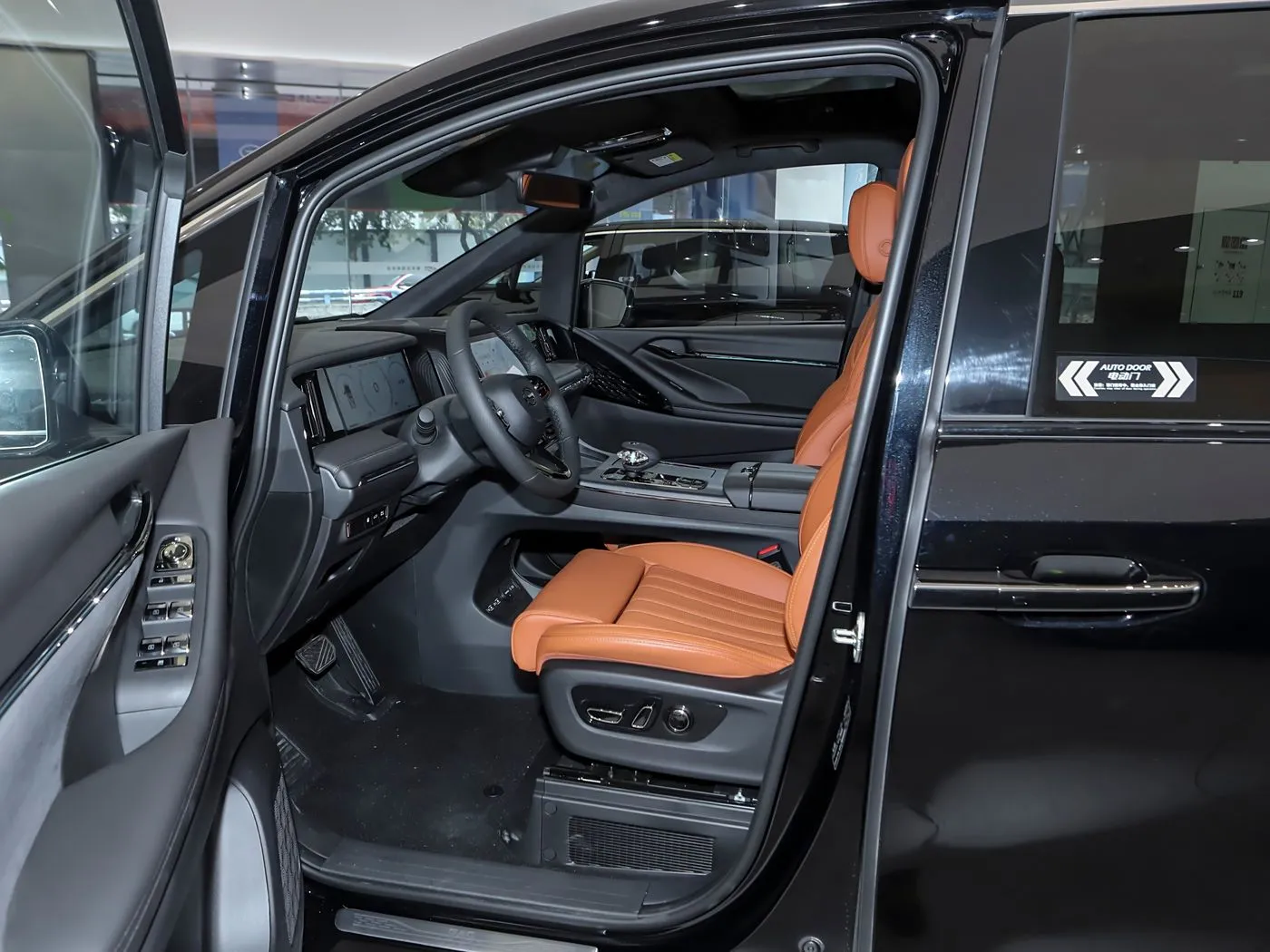
The manufacturing of 7-passenger EVs relies heavily on advanced material science. The battery pack, typically utilizing Lithium Nickel Manganese Cobalt Oxide (NMC) or Lithium Iron Phosphate (LiFePO4) chemistries, dictates much of the vehicle’s performance. NMC offers higher energy density, extending range, but presents thermal stability challenges. LiFePO4 provides superior thermal stability and lifespan, albeit with lower energy density. Electrode materials require precise control of particle size and morphology to maximize surface area and ion conductivity. The chassis construction primarily employs high-strength low-alloy (HSLA) steel and aluminum alloys (specifically 5052, 6061, and 7075). HSLA steel provides a cost-effective solution for structural integrity, while aluminum alloys reduce weight, improving energy efficiency. Manufacturing processes include: 1) Battery Module Assembly: Automated stacking and welding of individual battery cells, requiring precise control of welding parameters (current, voltage, duration) to prevent internal shorts. 2) Chassis Welding: Resistance spot welding and laser welding are employed for joining steel components, demanding rigorous quality control to ensure weld integrity. 3) Body-in-White (BIW) Assembly: Utilizing robotic assembly lines for precise positioning and fastening of body panels. 4) Interior Component Molding: Injection molding of plastic components (dashboards, door panels) using polypropylene (PP) and acrylonitrile butadiene styrene (ABS), requiring control of mold temperature and injection pressure. 5) Electric Motor Manufacturing: Stator and rotor core lamination, winding of copper coils, and precision assembly of rotating components. Parameter control in each process is critical; deviations from specifications impact vehicle performance and longevity.
Performance & Engineering
Performance of 7-passenger EVs necessitates detailed engineering analysis. Force analysis focuses on crashworthiness, employing finite element analysis (FEA) to model impact scenarios and optimize structural components for energy absorption. The increased weight of these vehicles due to larger battery packs requires more robust suspension systems and braking systems. Environmental resistance is paramount, necessitating corrosion protection measures, particularly for the chassis and battery enclosure. Cathodic protection and specialized coatings are commonly used. Compliance requirements include FMVSS (Federal Motor Vehicle Safety Standards) in the US, ECE regulations in Europe, and GB standards in China, covering areas such as crash safety, electrical safety, and electromagnetic compatibility (EMC). Thermal management is crucial for battery performance and lifespan. Liquid cooling systems using glycol-water mixtures are prevalent, requiring precise temperature control within a narrow operating range (typically 20-40°C). The electric motor’s performance is governed by its power output, torque characteristics, and efficiency. Permanent magnet synchronous motors (PMSM) are commonly used due to their high efficiency and power density. Regenerative braking systems recapture kinetic energy during deceleration, improving overall energy efficiency. Achieving a balance between range, passenger capacity, and performance is the core engineering challenge.
Technical Specifications
| Parameter | Unit | Typical Value (Range) | Test Standard |
|---|---|---|---|
| Battery Capacity | kWh | 80-120 | IEC 62660-1 |
| Range (EPA) | Miles | 250-350 | EPA Federal Test Procedure |
| Charging Time (DC Fast Charging) | Minutes (0-80%) | 30-60 | SAE J1772 |
| Motor Power (Peak) | kW | 150-250 | DIN 70050 |
| 0-60 mph Acceleration | Seconds | 6-8 | SAE J2878 |
| Gross Vehicle Weight Rating (GVWR) | lbs | 6000-7000 | FMVSS 571.501 |
Failure Mode & Maintenance
7-passenger EVs are subject to specific failure modes. Battery degradation is a primary concern, resulting from calendar aging and cycling effects. Capacity fade and increased internal resistance reduce range and performance. Thermal runaway, though rare, poses a significant safety hazard. Fatigue cracking in the chassis components can occur due to repeated stress cycles, particularly in areas around suspension mounts. Delamination of battery cells can lead to reduced capacity and potential short circuits. Degradation of coolant in the thermal management system reduces its effectiveness, leading to battery overheating. Oxidation of electrical contacts increases resistance, causing performance issues. Maintenance solutions include: 1) Regular battery health checks utilizing diagnostic tools to monitor state of charge (SOC), state of health (SOH), and internal resistance. 2) Coolant flush and replacement according to manufacturer recommendations. 3) Inspection of chassis components for cracks or corrosion. 4) Torque checks of suspension components. 5) Inspection and cleaning of electrical contacts. Preventive maintenance is critical for maximizing vehicle lifespan and ensuring safety. Proactive thermal management strategies and rigorous quality control during manufacturing are essential for mitigating potential failure modes. Adherence to manufacturer’s recommended maintenance schedules is paramount.
Industry FAQ
Q: What are the key challenges associated with thermal management in larger EV battery packs?
A: Larger battery packs generate significantly more heat during charging and discharging. Maintaining uniform temperature distribution across all cells is critical to prevent localized overheating and accelerate degradation. Challenges include efficient heat dissipation, minimizing temperature gradients, and preventing condensation within the battery enclosure. Advanced cooling strategies, such as liquid cooling with microchannels and optimized coolant flow paths, are necessary.
Q: How does the increased weight of a 7-passenger EV impact suspension design?
A: The increased weight necessitates a more robust suspension system capable of handling the higher loads and maintaining ride comfort. Spring rates and damper characteristics must be carefully tuned to prevent excessive body roll and provide stable handling. Air suspension systems are often employed to provide adjustable ride height and improved load leveling.
Q: What are the primary safety considerations related to high-voltage battery systems in EVs?
A: High-voltage systems pose electric shock hazards. Robust insulation, grounding systems, and safety interlocks are critical to prevent accidental contact. Battery management systems (BMS) must monitor cell voltages and temperatures to prevent overcharging or overheating. Emergency disconnect mechanisms should be readily accessible.
Q: How does the choice of battery chemistry affect the overall cost and lifespan of the EV?
A: NMC chemistries generally offer higher energy density, resulting in longer range, but are more expensive and have a shorter lifespan compared to LiFePO4. LiFePO4 is more cost-effective and durable but provides lower range. The optimal choice depends on the intended application and budget constraints.
Q: What impact do various charging standards (CCS, CHAdeMO, Tesla) have on infrastructure requirements?
A: The proliferation of different charging standards creates challenges for infrastructure development. CCS (Combined Charging System) is becoming the dominant standard in North America and Europe. The need for compatibility across different EV models necessitates a multi-standard charging infrastructure.
Conclusion
7-passenger electric vehicles represent a significant evolution in sustainable transportation, addressing the growing demand for family-friendly, environmentally conscious options. Their development relies on advancements in material science, battery technology, and sophisticated engineering designs. Challenges remain in optimizing battery performance, managing thermal loads, and ensuring safety. Ongoing research and development efforts are focused on improving energy density, reducing charging times, and lowering overall costs.
The continued adoption of these vehicles will necessitate robust charging infrastructure, standardized safety protocols, and proactive maintenance strategies. Compliance with evolving industry regulations is crucial for ensuring vehicle safety and performance. As battery technology matures and manufacturing processes become more efficient, 7-passenger EVs are poised to play a pivotal role in the transition to a more sustainable transportation future.