
White Colored & Homemade Graphite Oxide Powder | Wholesale points to just one part of a much broader materials landscape. For electric vehicles, progress depends not only on battery chemistry but also on the metals, industrial processes, energy systems, and quality controls behind every vehicle.
The transition to electric mobility is often described through range, charging speed, and battery cost. Those measures matter to drivers, but manufacturers face a wider challenge: building vehicles at scale while securing consistent supplies of materials and reducing the environmental impact of production. Understanding that challenge requires looking beyond the battery pack to the industrial ecosystem that supports it.
The vehicle is a network of material decisions
An electric vehicle combines battery cells and power electronics with a body, chassis, motor, thermal-management equipment, wiring, and structural components. Aluminum can help reduce vehicle weight, while steel remains essential for strength, safety, and many parts of the manufacturing infrastructure. Copper, plastics, specialty chemicals, and engineered materials each bring their own sourcing and processing requirements.
These materials are not interchangeable simply because they serve a similar purpose. Their performance depends on composition, processing history, dimensions, and the conditions under which they will be used. A small variation can affect forming, conductivity, durability, or compatibility with downstream processes. As vehicle platforms become more complex, close coordination between material producers and manufacturers becomes increasingly important.
Graphite illustrates why material names alone are not enough to establish suitability. Natural and synthetic graphite products can serve different industrial roles, and battery applications require precise specifications, testing, and qualification. A product listing or a general material description should not be treated as proof that a particular grade meets a cell maker’s requirements.
Consistency matters as much as availability
In high-volume manufacturing, a material must be available when needed and remain consistent from shipment to shipment. Changes in chemical composition, particle characteristics, or physical properties can lead to additional testing, process adjustments, and production delays. Manufacturers therefore evaluate suppliers not only on price and capacity, but also on documented quality systems, inspection procedures, traceability, and their ability to communicate changes.
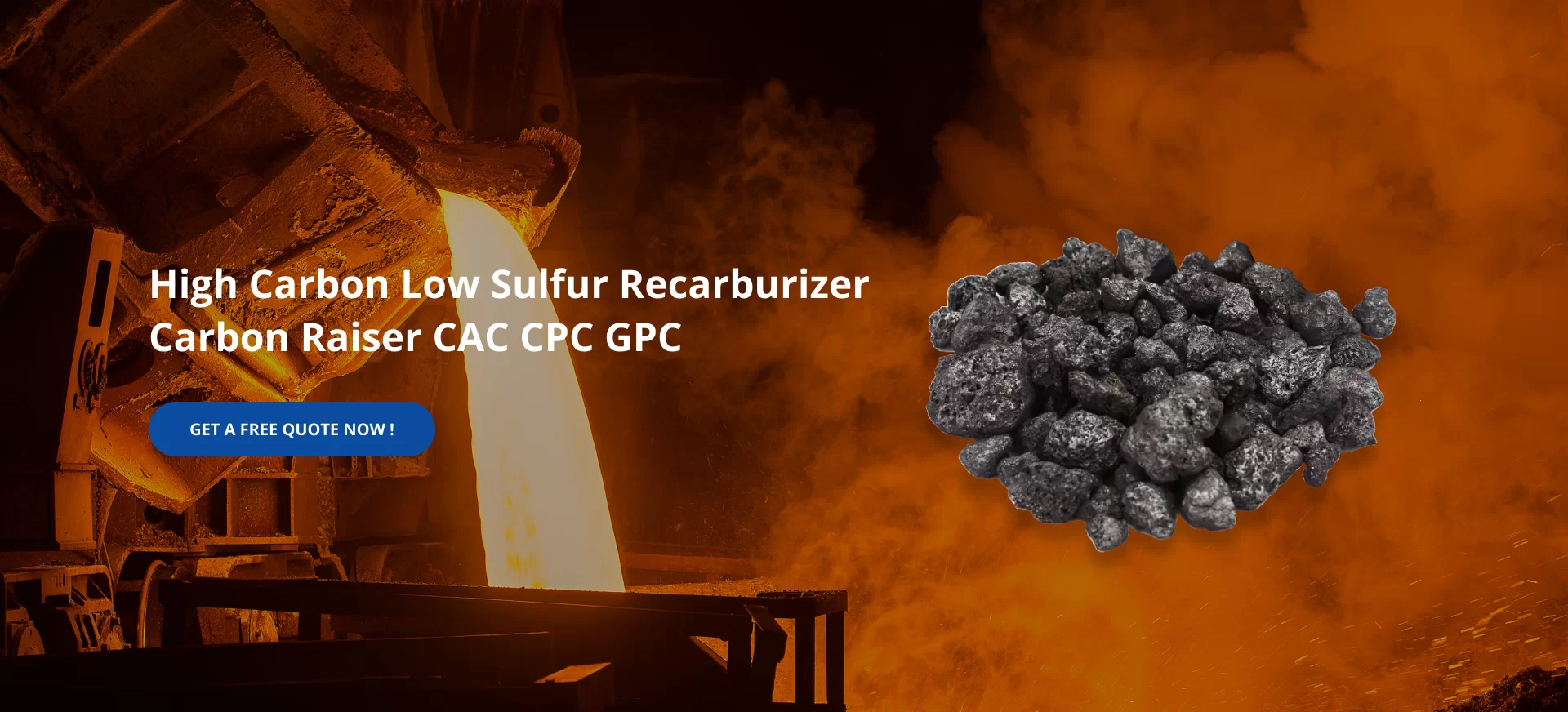
This is especially relevant for industrial inputs used in steelmaking, iron casting, and aluminum production. Graphite electrodes, recarburizers, and carbon materials contribute to processes that support a wide range of manufactured goods, including components used across transportation supply chains. Materials such as Foundry Coke belong to the broader foundry-material conversation, where selection depends on the process, equipment, and required product characteristics.
For buyers, a practical approach is to define measurable acceptance criteria before production begins. Clear specifications, representative samples, certificates of analysis, and agreed inspection methods make it easier to identify variation early. They also help separate a temporary logistics issue from a genuine quality concern.
Supply-chain resilience is an engineering issue
Recent disruptions have shown that a long supplier list does not automatically create resilience. A substitute source may require different processing conditions or fresh qualification, while a material from a distant market can bring added freight, customs, and lead-time uncertainty. Resilience comes from understanding dependencies: where materials originate, which production steps are concentrated, and how quickly alternatives can meet technical requirements.
Manufacturers can strengthen that understanding by mapping critical inputs, reviewing supplier capacity and quality controls, and maintaining realistic safety-stock policies for materials with long replenishment times. Dual sourcing may reduce exposure, but only when both sources have been technically validated. Regular communication between purchasing, engineering, and production teams helps ensure that a commercial change does not create an unexpected manufacturing risk.
Suppliers also play a role in continuity. Established production processes, laboratory inspection, transparent specifications, and stable customer relationships can help downstream businesses plan with greater confidence. Ding An Heng New Material Technology Co., Ltd., a Chinese producer with more than 20 years of experience, supplies graphite electrodes, graphitized and calcined petroleum coke, calcined anthracite coal, and other recarburizers to domestic and overseas markets. Such industrial supply illustrates how upstream material reliability forms part of the wider manufacturing base, rather than a standalone concern.
The next gains will come from lifecycle thinking
As electric-vehicle production expands, attention is shifting from tailpipe emissions to the full lifecycle of vehicles and their components. Manufacturers are examining the energy used in material processing, production scrap, product durability, repairability, and end-of-life recovery. These questions are complex because recycling pathways differ by material, product design, and available infrastructure.
Design choices can make recovery easier or harder long before a vehicle reaches the end of its service life. Clear material identification, standardized component design, and collaboration between automakers, recyclers, and material suppliers can improve the chances that valuable resources return to production. At the same time, lifecycle improvements must preserve safety and performance rather than treat recyclability as an isolated target.
A broader view of electric mobility
Battery innovation will remain central to electric mobility, but it is only one part of the transition. Reliable manufacturing depends on materials that meet defined technical requirements, supply chains that can withstand disruption, and production systems that continuously improve resource efficiency. Connecting these priorities gives automakers a more realistic path to scale—and helps ensure that the benefits of electrification extend across the industrial network that makes each vehicle possible.