
Apr . 01, 2024 17:55 Back to list
suv models Performance and Engineering
Introduction
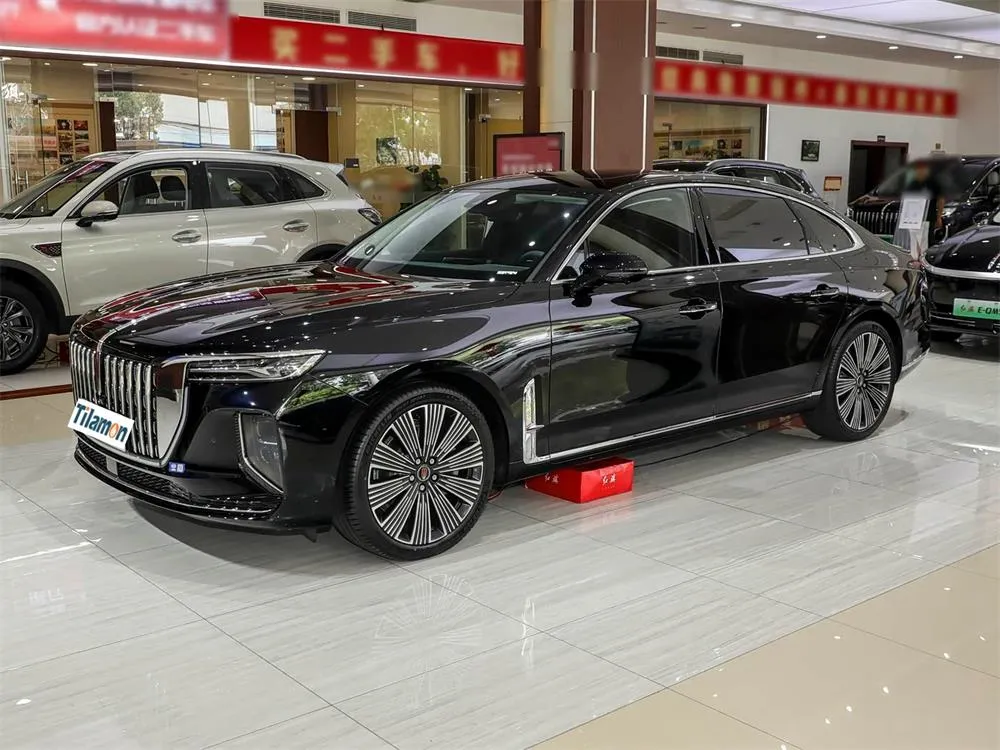
Sport Utility Vehicles (SUVs) represent a significant segment of the automotive industry, evolving from rugged, body-on-frame off-road vehicles to increasingly sophisticated, unibody crossover platforms. Their technical position within the automotive supply chain involves complex integration of chassis, powertrain, body, and increasingly, advanced driver-assistance systems (ADAS). Core performance characteristics center around a balance of passenger capacity, cargo volume, towing capability, and perceived safety. Modern SUVs utilize high-strength steel, aluminum alloys, and composite materials in their construction to optimize weight and structural rigidity. Key performance indicators include fuel efficiency, acceleration, braking distance, and ride quality, all subject to stringent regulatory standards. A growing focus exists on electrification within the SUV segment, with hybrid and fully electric models becoming increasingly prevalent. Understanding the nuanced engineering challenges and material science behind SUV construction is crucial for manufacturers, suppliers, and end-users alike. The inherent trade-offs between off-road capability, on-road comfort, and fuel efficiency dictate many design decisions. The current landscape is driven by consumer demand for increased utility, safety features, and connected technology.
Material Science & Manufacturing
SUV manufacturing relies heavily on advanced material science and sophisticated manufacturing processes. The chassis typically utilizes high-strength low-alloy (HSLA) steel for its ductility and weldability, while increasingly, advanced high-strength steels (AHSS) are incorporated to reduce weight without compromising structural integrity. Body panels often employ aluminum alloys (5052, 6061) for corrosion resistance and weight reduction, requiring specialized joining techniques like self-piercing riveting and adhesive bonding. Interior components extensively utilize polymers – polypropylene (PP), acrylonitrile butadiene styrene (ABS), and polycarbonate (PC) – chosen for their impact resistance, formability, and cost-effectiveness. Manufacturing processes vary depending on the SUV type. Body-on-frame SUVs utilize traditional welding techniques, demanding precise fixture alignment and weld parameter control (current, voltage, gas shielding). Unibody SUVs rely on robotic welding, laser welding, and adhesive bonding for optimal structural performance. Powder coating is frequently employed for corrosion protection of chassis components. Painting processes involve multi-stage electrodeposition, primer application, base coating, and clear coating, requiring stringent VOC emission controls. Tires, a critical component, utilize complex rubber compounds blended with reinforcing fillers like silica and carbon black, optimized for rolling resistance, wet traction, and wear resistance. The manufacturing of these tire compounds requires precise mixing, extrusion, and vulcanization processes. Plastic components are often produced via injection molding, requiring careful control of mold temperature, injection pressure, and cooling rates to ensure dimensional accuracy and minimize defects like sink marks and warpage.
Performance & Engineering
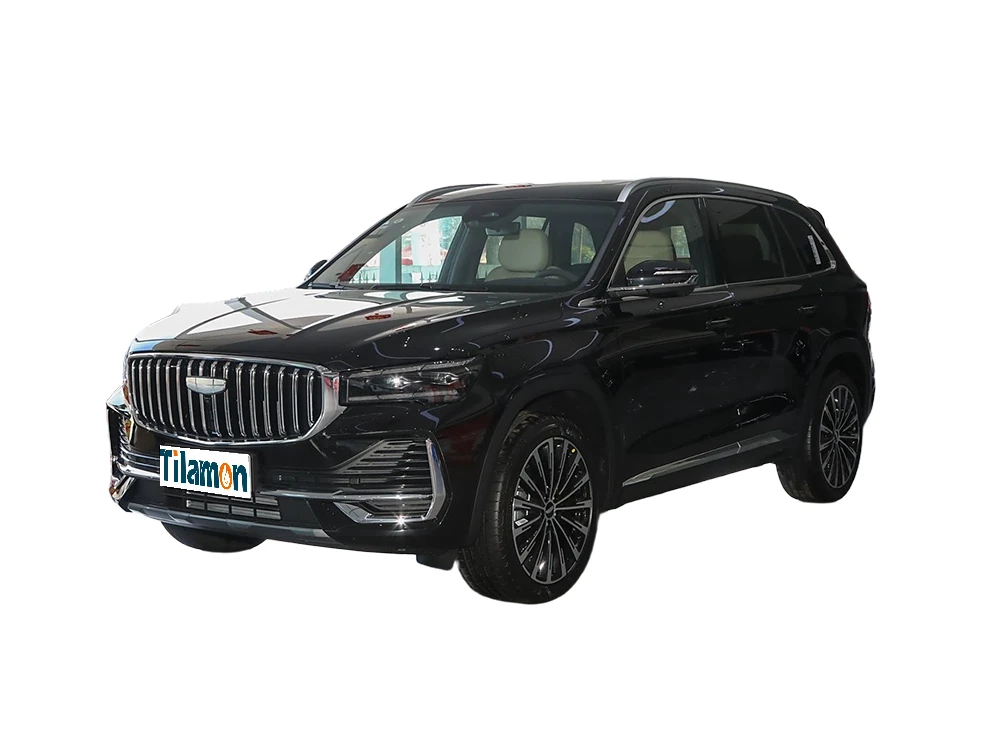
SUV performance is a multifaceted engineering challenge encompassing structural integrity, powertrain efficiency, and safety. Force analysis, particularly Finite Element Analysis (FEA), is crucial for optimizing chassis design to withstand dynamic loads – acceleration, braking, cornering, and impact. Crash testing, conforming to FMVSS and ECE regulations, validates structural performance and identifies areas for improvement. Powertrain engineering focuses on maximizing fuel efficiency and minimizing emissions, often utilizing turbocharging, direct injection, and variable valve timing technologies. All-wheel-drive (AWD) systems necessitate careful design of torque distribution mechanisms (viscous couplings, multi-plate clutches, electronic control units) to optimize traction and stability. Suspension systems, typically independent, require precise calibration of spring rates, damping coefficients, and anti-roll bar stiffness to balance ride comfort and handling performance. Aerodynamic drag, a significant factor impacting fuel efficiency, is minimized through optimized body shaping and the integration of aerodynamic aids (spoilers, underbody panels). The increasing integration of ADAS features – automatic emergency braking, lane departure warning, adaptive cruise control – necessitates robust sensor fusion algorithms and reliable actuator control. Environmental resistance is paramount; SUVs are subjected to salt spray testing, UV exposure, and thermal cycling to assess corrosion resistance and material degradation. Compliance with emissions regulations (Euro 6, EPA Tier 3) requires sophisticated exhaust aftertreatment systems (catalytic converters, particulate filters). Electrification introduces new engineering challenges related to battery thermal management, electric motor performance, and power electronics integration.
Technical Specifications
| Parameter | Compact SUV (Example) | Mid-Size SUV (Example) | Full-Size SUV (Example) |
|---|---|---|---|
| Curb Weight (kg) | 1400-1600 | 1700-2000 | 2200-2500 |
| Engine Displacement (cc) | 1500-2000 | 2000-3500 | 3500-6000 |
| Maximum Power (HP) | 150-200 | 200-300 | 300-400+ |
| Torque (Nm) | 200-250 | 250-350 | 350-500+ |
| Fuel Economy (Combined, L/100km) | 7.0-9.0 | 8.0-11.0 | 10.0-14.0 |
| Towing Capacity (kg) | 1000-1500 | 1500-2500 | 3000-4500+ |
Failure Mode & Maintenance
SUV failure modes are diverse and often application-specific. Fatigue cracking in chassis components, particularly around weld points, is a common issue exacerbated by repeated stress cycles. Corrosion, especially in areas exposed to road salt, can lead to structural weakening and component failure. Suspension component wear – ball joints, bushings, shock absorbers – results in diminished ride quality and handling performance. Powertrain failures include engine oil leaks, overheating due to cooling system malfunctions, and transmission issues. Brake system failures, encompassing pad wear, rotor warping, and hydraulic line leaks, represent a critical safety concern. Tire failures, caused by punctures, sidewall damage, or tread wear, can lead to loss of control. Electrically, failures can stem from battery degradation (in hybrid/electric models), sensor malfunctions (ADAS systems), and wiring harness damage. Preventive maintenance is crucial. Regular inspections for corrosion, cracks, and wear are essential. Fluid level checks (engine oil, coolant, brake fluid, transmission fluid) and timely fluid changes prevent component damage. Tire rotation and balancing extend tire life and maintain even wear. Wheel alignment ensures proper handling and minimizes tire wear. Brake pad replacement and rotor resurfacing maintain braking performance. For hybrid/electric models, battery health monitoring and cooling system maintenance are critical. Adhering to manufacturer-recommended maintenance schedules minimizes the risk of failures and extends the vehicle's lifespan. Diagnostic scans utilizing OBD-II systems help identify underlying issues before they escalate.
Industry FAQ
Q: What are the key considerations when selecting a steel grade for SUV chassis construction?
A: The primary considerations include tensile strength, yield strength, ductility, weldability, and corrosion resistance. AHSS grades offer a superior strength-to-weight ratio, reducing overall vehicle weight and improving fuel efficiency. However, joining techniques require specialized expertise due to their increased hardness. Corrosion resistance is critical, particularly in regions with harsh winter conditions.
Q: How does the choice of tire compound impact SUV performance and fuel economy?
A: Tire compound significantly affects rolling resistance, wet traction, and wear resistance. Low rolling resistance compounds improve fuel economy but may compromise wet traction. High-silica compounds enhance wet grip but can increase rolling resistance. The balance between these properties depends on the intended application and driving conditions.
Q: What are the challenges associated with integrating ADAS features into SUV platforms?
A: Challenges include sensor placement and calibration to ensure reliable object detection in various weather conditions. Robust sensor fusion algorithms are needed to integrate data from multiple sensors (radar, lidar, cameras). Cybersecurity is a critical concern, protecting against unauthorized access and manipulation of ADAS systems. Power consumption of these systems also needs to be carefully managed.
Q: What are the common failure modes related to aluminum alloy body panels in SUVs?
A: Corrosion, particularly galvanic corrosion when in contact with dissimilar metals, is a primary concern. Dents and damage are more easily sustained compared to steel. Joining techniques, like adhesive bonding and self-piercing riveting, require careful process control to ensure long-term durability and structural integrity. Fatigue cracking can occur at stress concentration points.
Q: How does thermal management impact the performance and longevity of batteries in electric SUVs?
A: Maintaining optimal battery temperature is crucial for maximizing performance, range, and lifespan. Overheating can accelerate battery degradation and reduce capacity. Effective cooling systems (liquid cooling, air cooling) are necessary to dissipate heat generated during charging and discharging. Precise temperature control ensures consistent battery performance across a wide range of ambient temperatures.
Conclusion
SUVs represent a complex engineering undertaking, demanding a holistic approach encompassing material science, manufacturing processes, and performance optimization. The ongoing trend towards electrification, coupled with the integration of advanced driver-assistance systems, introduces new challenges and opportunities. Careful consideration of structural integrity, powertrain efficiency, and safety regulations is paramount throughout the design and manufacturing process.
Future development will likely focus on lightweighting strategies, utilizing advanced composite materials and optimized structural designs. Further refinement of ADAS features and the development of autonomous driving capabilities will transform the SUV experience. Sustainability concerns will drive the adoption of more eco-friendly materials and manufacturing processes, reducing the environmental impact of SUV production and operation.