
Apr . 01, 2024 17:55 Back to list
sedan hybrid cars Performance Engineering
Introduction
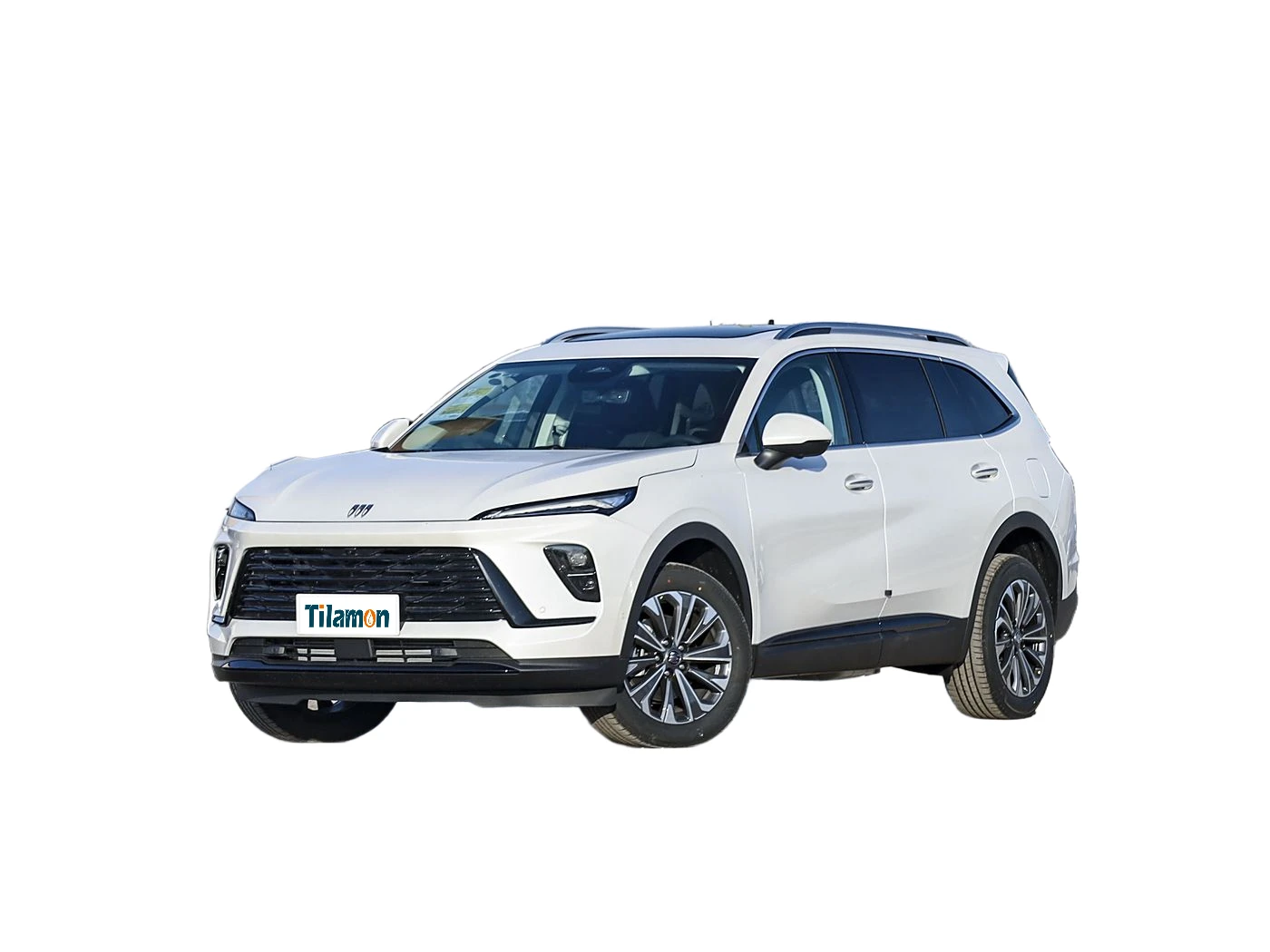
Sedan hybrid cars represent a significant advancement in automotive engineering, bridging the gap between internal combustion engine (ICE) vehicles and fully electric vehicles (EVs). Positioned within the automotive industry chain as a transitional technology, they combine an ICE with an electric motor and battery pack to achieve improved fuel efficiency and reduced emissions. Core performance characteristics center around maximizing miles per gallon (MPG), minimizing carbon dioxide (CO2) output, and providing a driving experience comparable to conventional vehicles without range anxiety. Hybrid systems differ significantly in architecture, ranging from mild hybrids which provide limited electric assist, to full hybrids capable of all-electric operation for short distances, and plug-in hybrid electric vehicles (PHEVs) offering extended electric range and external charging capability. The primary industry pain points related to sedan hybrid cars include battery lifespan and degradation, thermal management of the hybrid powertrain, the complexity of integrating two propulsion systems, and achieving cost parity with ICE vehicles while maintaining performance standards. Addressing these challenges requires innovative materials science, advanced manufacturing techniques, and sophisticated control algorithms.
Material Science & Manufacturing
The manufacturing of sedan hybrid cars necessitates a diverse range of materials, each chosen for specific properties related to weight reduction, durability, and thermal management. High-strength low-alloy (HSLA) steels and aluminum alloys constitute the primary body structure, striving for a balance between crashworthiness and minimizing vehicle weight – a critical factor in fuel efficiency. Lithium-ion batteries are the dominant energy storage solution, typically employing Nickel Manganese Cobalt (NMC) or Nickel Cobalt Aluminum (NCA) chemistries. The selection of the electrolyte and separator materials within the battery pack critically impacts its energy density, cycle life, and safety profile. Manufacturing processes vary considerably. Body panels are often stamped from sheet metal using progressive die stamping, followed by robotic welding for structural assembly. The powertrain involves precision machining of engine components, intricate casting of cylinder heads, and complex assembly of the electric motor and generator. Battery pack assembly is a highly automated process requiring stringent quality control to ensure cell balancing and thermal uniformity. Key parameter control focuses on maintaining tight tolerances in engine component dimensions, optimizing welding parameters to ensure structural integrity, and precisely calibrating the battery management system (BMS) to maximize battery performance and lifespan. Materials compatibility is paramount; for instance, ensuring galvanic corrosion does not occur between dissimilar metals in the powertrain and battery cooling systems. Furthermore, the manufacturing of lightweight composite materials, such as carbon fiber reinforced polymers (CFRP), is increasingly used in high-performance hybrid models to further reduce weight, but presents challenges in terms of cost and repairability.
Performance & Engineering
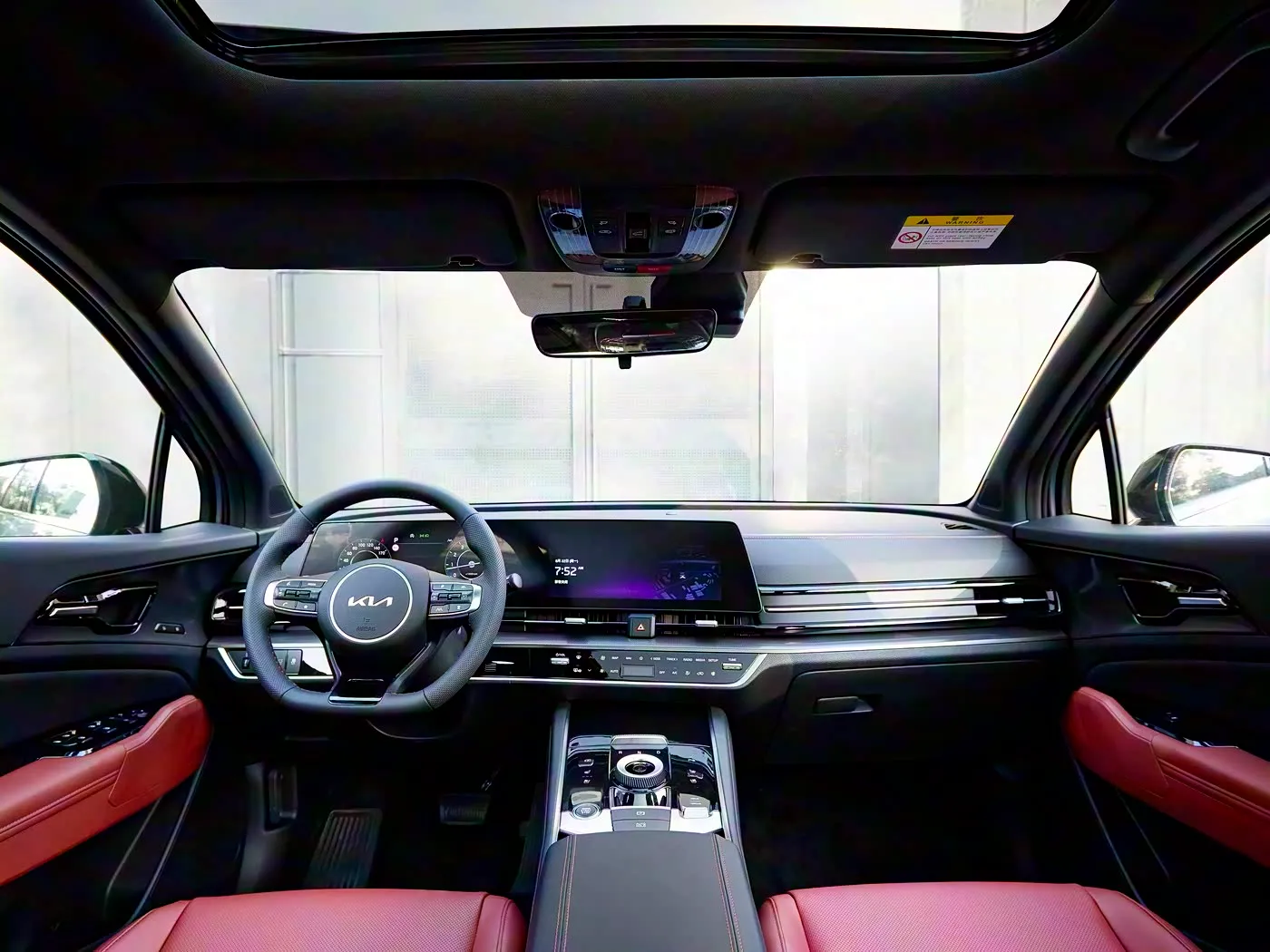
Performance engineering in sedan hybrid cars centers around optimizing the interplay between the ICE and electric motor to deliver efficient power delivery and minimize emissions. Force analysis focuses on understanding the torque split between the two power sources under various driving conditions, requiring sophisticated control algorithms to seamlessly transition between electric, hybrid, and engine-only modes. Environmental resistance is a crucial consideration, particularly concerning battery thermal management. Hybrid systems generate significant heat, necessitating effective cooling strategies using liquid cooling circuits, heat pumps, and phase change materials to maintain optimal battery operating temperatures – typically between 20°C and 40°C. Compliance requirements are stringent, adhering to emission standards set by regulatory bodies such as the EPA (Environmental Protection Agency) in the US and Euro standards in Europe. Functional implementation involves integrating regenerative braking systems to recapture kinetic energy and store it in the battery, contributing to improved fuel efficiency. Furthermore, the electric motor's power density and efficiency are critical parameters. Advanced hybrid control strategies employ predictive algorithms based on GPS data and driving patterns to anticipate driving demands and optimize powertrain operation. Aerodynamic efficiency is also paramount, with designers employing computational fluid dynamics (CFD) to minimize drag and improve fuel economy. The structural integrity of the battery pack, particularly in the event of a collision, is rigorously tested to meet safety standards. Vehicle-to-grid (V2G) capabilities, allowing the car to discharge electricity back into the grid, are being explored in advanced hybrid models, presenting new engineering challenges related to grid synchronization and power conversion.
Technical Specifications
| Parameter | Mild Hybrid (48V) | Full Hybrid | Plug-in Hybrid (PHEV) |
|---|---|---|---|
| Battery Capacity (kWh) | 0.4 - 1.0 | 1.5 - 3.0 | 8.0 - 15.0 |
| Electric Range (km) | N/A - Limited Assist | 1-5 | 20-80 |
| Fuel Economy (MPG) | 25-35% Improvement | 40-60% Improvement | >60% Improvement + Electric Driving |
| Motor Power (kW) | 10-15 | 30-60 | 60-100 |
| Charging Time (0-100%) | N/A | N/A | 2-6 hours (Level 2 Charger) |
| System Voltage (V) | 48 | 230-650 | 230-650 |
Failure Mode & Maintenance
Sedan hybrid cars, while reliable, are subject to specific failure modes arising from the complexity of their powertrain. Battery degradation is a primary concern, with capacity fading over time due to factors such as temperature cycling, depth of discharge, and charging patterns. This manifests as reduced electric range and diminished regenerative braking performance. Failure of the battery management system (BMS) can lead to cell imbalances and accelerated degradation. The high-voltage inverter, responsible for converting DC power from the battery to AC power for the motor, is susceptible to overheating and component failure. Fatigue cracking can occur in the transmission components due to the cyclical loading associated with the interplay between the ICE and electric motor. Degradation of cooling system components, such as pumps and fans, can lead to overheating of the battery and powertrain. Oxidation of electrical connectors and wiring harnesses can result in intermittent electrical faults. Maintenance should include regular battery health checks using diagnostic tools, coolant flushes for both the engine and battery cooling systems, inspection of high-voltage wiring and connectors, and periodic servicing of the transmission. Proactive thermal management is crucial, utilizing diagnostic data to identify and address potential overheating issues. Proper battery charging practices – avoiding full discharge and limiting exposure to extreme temperatures – can significantly extend battery lifespan. Detailed failure analysis, utilizing techniques such as electron microscopy and spectral analysis, is essential for identifying the root cause of component failures and implementing corrective actions.
Industry FAQ
Q: What is the typical lifespan of a hybrid battery pack, and what factors influence it?
A: A typical hybrid battery pack is designed to last 8-10 years or 100,000-150,000 miles. Lifespan is significantly influenced by operating temperature, charging habits (frequent deep discharges shorten lifespan), driving patterns, and the BMS’s ability to maintain cell balance. Higher ambient temperatures accelerate degradation, while consistent shallow discharges are generally more favorable.
Q: How does regenerative braking impact brake pad wear in a hybrid vehicle?
A: Regenerative braking significantly reduces the reliance on friction brakes, leading to substantially lower brake pad wear. In many cases, brake pads can last two to three times longer in a hybrid vehicle compared to a conventional vehicle. However, the friction brakes are still used for emergency stops and at low speeds, and require periodic inspection and maintenance.
Q: What are the safety concerns related to high-voltage systems in hybrid vehicles?
A: High-voltage systems pose electrical shock hazards. Vehicles are equipped with multiple safety features, including interlocks, insulation, and fuses, to prevent accidental contact. Servicing high-voltage components requires specialized training and equipment. It’s crucial to disconnect the high-voltage battery before performing any maintenance work on the system.
Q: What is the difference between a full hybrid and a plug-in hybrid (PHEV) in terms of fuel efficiency and electric range?
A: A full hybrid relies solely on regenerative braking and the ICE to charge its battery, offering limited all-electric range (typically 1-5 km). A PHEV, however, can be plugged into an external power source, allowing for a significantly extended all-electric range (20-80 km) and further reducing fuel consumption.
Q: How does the complexity of a hybrid powertrain affect maintenance costs compared to a conventional ICE vehicle?
A: While hybrid vehicles have fewer wear-and-tear components (e.g., brake pads), the complexity of the hybrid powertrain can lead to higher maintenance costs for specialized components like the inverter, battery pack, and electric motor. However, the reduced wear on other components often offsets these costs over the vehicle’s lifespan. Proper preventative maintenance is crucial to minimize long-term expenses.
Conclusion
Sedan hybrid cars represent a pivotal step towards sustainable transportation, offering a pragmatic balance between performance, fuel efficiency, and reduced emissions. Their intricate engineering, requiring advanced materials science, sophisticated control algorithms, and robust thermal management systems, addresses critical industry pain points. Continued innovation in battery technology, powertrain optimization, and lightweight materials will be vital for enhancing the competitiveness and widespread adoption of these vehicles.
Looking ahead, advancements in solid-state battery technology promise increased energy density, improved safety, and faster charging times, potentially revolutionizing the hybrid vehicle landscape. Furthermore, the integration of artificial intelligence (AI) and machine learning (ML) into hybrid control systems will enable more precise and adaptive powertrain operation, further maximizing fuel economy and extending battery lifespan. As regulatory pressures intensify and consumer demand for environmentally friendly vehicles grows, the role of sedan hybrid cars will continue to evolve, serving as a critical bridge to a fully electrified future.