
Apr . 01, 2024 17:55 Back to list
new ev suv Performance Engineering
Introduction
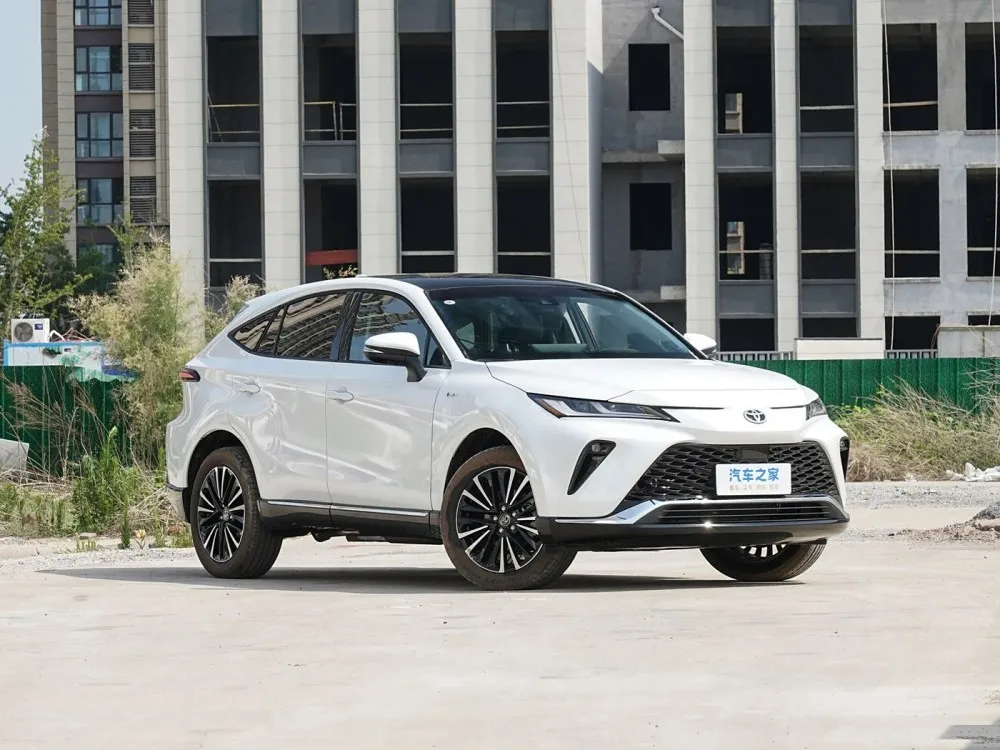
Electric Sport Utility Vehicles (EV SUVs) represent a significant evolution in automotive engineering, blending the practicality and space of traditional SUVs with the environmental benefits and technological advancements of electric powertrains. Positioned within the automotive industry supply chain as a final assembly vehicle, the EV SUV relies on a complex network of component suppliers encompassing battery manufacturers, electric motor producers, and specialized electronics vendors. Core performance characteristics defining modern EV SUVs center around battery energy density, charging infrastructure compatibility (CCS, CHAdeMO, Tesla Supercharger network access), range, acceleration, and advanced driver-assistance systems (ADAS). A key pain point for manufacturers centers around balancing consumer demand for extended range with the cost and weight implications of larger battery packs. Furthermore, thermal management of the battery and powertrain is critical to ensure optimal performance and longevity, especially in varied climatic conditions. Reliable and rapid charging infrastructure deployment also remains a significant barrier to broader adoption, impacting consumer confidence and necessitating ongoing innovation in charging technologies.
Material Science & Manufacturing
The materials used in EV SUV construction represent a paradigm shift compared to internal combustion engine (ICE) vehicles. The chassis and body panels increasingly utilize high-strength steel (HSLA) alloys and aluminum alloys (6061, 7075) to minimize weight while maintaining structural integrity. Carbon fiber reinforced polymers (CFRP) are also employed in select components, particularly for body panels and structural elements demanding extreme weight reduction. Battery packs themselves consist of lithium-ion cells, with variations in cathode chemistry (NMC, NCA, LFP) influencing energy density, cycle life, and thermal stability. Manufacturing processes diverge significantly from traditional automotive production. Battery pack assembly requires precise cell welding (laser welding, ultrasonic welding) and sophisticated thermal management system integration (liquid cooling, phase change materials). Powertrain manufacturing focuses on stator winding, rotor assembly, and inverter construction, all requiring specialized automated equipment. Body construction utilizes advanced joining techniques such as friction stir welding and adhesive bonding to minimize weight and improve structural performance. Parameter control during these processes is paramount. Laser welding requires precise control of laser power, welding speed, and shielding gas composition to ensure defect-free welds. Adhesive bonding necessitates careful control of surface preparation, adhesive application, and curing temperature. Furthermore, precise control of electrolyte fill levels and cell balancing is vital during battery pack assembly to maximize performance and safety.
Performance & Engineering
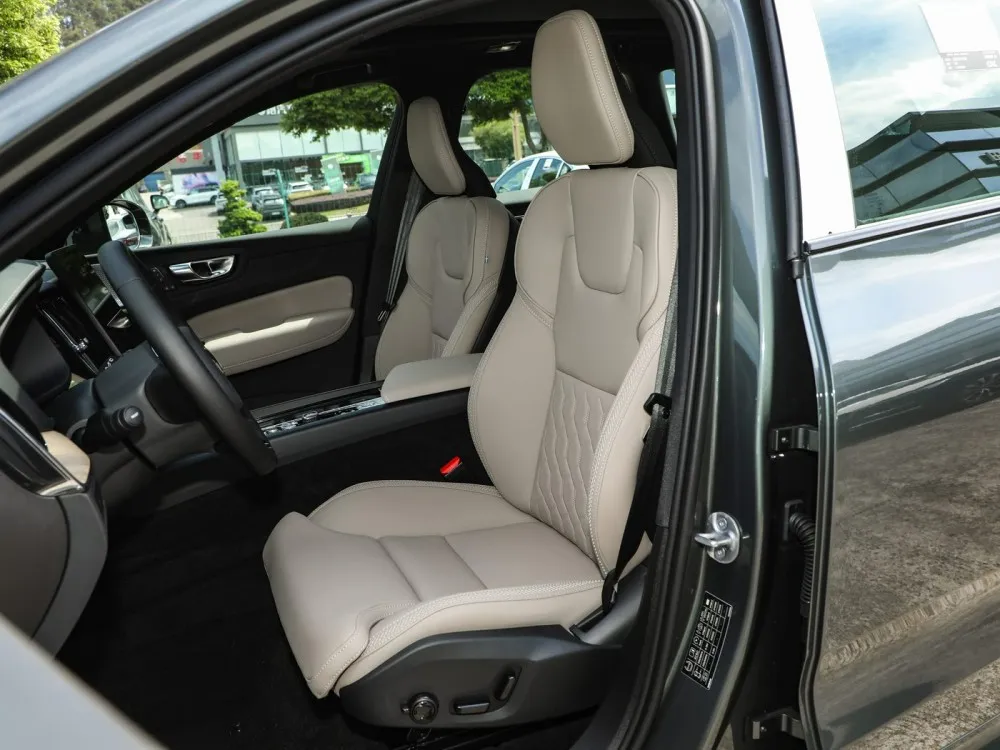
Performance analysis of EV SUVs hinges on understanding the interplay of several critical engineering factors. Force analysis during crash testing (frontal impact, side impact, rollover) dictates the need for robust structural design and energy absorption capabilities, optimized through finite element analysis (FEA) simulations. Environmental resistance is crucial; battery packs must withstand extreme temperatures (-30°C to +60°C) and humidity levels, necessitating robust sealing and thermal management systems. Compliance requirements are stringent, adhering to regulations such as FMVSS (Federal Motor Vehicle Safety Standards) in the US, ECE regulations in Europe, and GB standards in China. Functional implementation of ADAS features like automatic emergency braking (AEB), lane keeping assist (LKA), and adaptive cruise control (ACC) demands sophisticated sensor integration (radar, lidar, cameras) and powerful processing capabilities. The regenerative braking system’s efficiency is directly tied to the motor control algorithm and the battery’s ability to accept charge during deceleration. Thermal runaway prevention is a critical engineering challenge, requiring integrated battery management systems (BMS) that monitor cell voltage, temperature, and current, and implement safety measures such as cell disconnection and cooling activation. Aerodynamic drag is minimized through streamlined body designs and underbody paneling, contributing to increased range. The vehicle’s center of gravity, influenced by battery pack placement, impacts handling and stability.
Technical Specifications
| Parameter | Unit | Typical Value (Mid-Range EV SUV) | High-Performance EV SUV |
|---|---|---|---|
| Battery Capacity | kWh | 75 | 100+ |
| Range (WLTP) | km | 450 | 600+ |
| 0-100 km/h Acceleration | s | 7.5 | 4.5 |
| Peak Power | kW | 180 | 300+ |
| Charging Time (DC Fast Charging, 10-80%) | min | 30 | 20 |
| Drag Coefficient (Cd) | - | 0.30 | 0.25 |
Failure Mode & Maintenance
EV SUV failure modes differ significantly from those of ICE vehicles. Battery degradation, characterized by reduced capacity and internal resistance increase, is a primary concern, influenced by charging/discharging cycles, temperature, and state of charge. Failure analysis reveals that repeated fast charging and prolonged exposure to high temperatures accelerate degradation. Thermal runaway, a catastrophic event resulting in fire, can occur due to cell defects, overcharging, or external damage. Electric motor failures can arise from bearing wear, insulation breakdown, or inverter malfunctions. Cooling system failures, such as pump failures or coolant leaks, can lead to overheating and component damage. Corrosion of electrical connectors and wiring harnesses, especially in harsh environments, is another common failure point. Maintenance strategies should focus on preventative measures. Regular battery health checks, software updates for the BMS, and inspection of cooling system components are crucial. Maintaining proper tire inflation and wheel alignment optimizes energy efficiency and reduces wear. Periodic inspection and cleaning of electrical contacts prevent corrosion. Diagnostic tools, utilizing OBD-II protocols, facilitate fault detection and troubleshooting. Proactive battery thermal management, through optimized charging strategies and pre-conditioning, extends battery life. Regularly inspecting and replacing cabin air filters is crucial for maintaining air quality within the vehicle and for the performance of the HVAC system which impacts the thermal management of the battery pack.
Industry FAQ
Q: What is the expected lifespan of an EV SUV battery pack, and what factors influence it?
A: The expected lifespan of an EV SUV battery pack is typically 8-10 years or 160,000-200,000 kilometers, but this is heavily dependent on usage patterns, charging habits, and environmental conditions. Frequent fast charging, consistently charging to 100% or depleting to 0%, and exposure to extreme temperatures will accelerate degradation. Sophisticated Battery Management Systems (BMS) mitigate these effects through cell balancing and thermal control, but proactive management remains crucial.
Q: How does the regenerative braking system affect brake pad wear in an EV SUV?
A: Regenerative braking significantly reduces reliance on friction brakes, dramatically extending brake pad life. In many EV SUVs, brake pads can last for the entire vehicle’s lifespan due to the majority of deceleration being handled by the electric motor acting as a generator. However, periodic inspection and maintenance of the friction brake system are still necessary to ensure functionality and prevent corrosion.
Q: What are the key differences between NMC, NCA, and LFP battery chemistries, and which is best for an EV SUV?
A: NMC (Nickel Manganese Cobalt) and NCA (Nickel Cobalt Aluminum) offer high energy density, resulting in longer range, but are more expensive and have a slightly lower cycle life and thermal stability. LFP (Lithium Iron Phosphate) is cheaper, more thermally stable, and has a longer cycle life, but offers lower energy density, resulting in shorter range. The optimal chemistry depends on the vehicle’s intended use; LFP is often preferred for standard-range models prioritizing cost and longevity, while NMC/NCA are used in premium models emphasizing range and performance.
Q: What safety measures are in place to prevent thermal runaway in an EV SUV battery pack?
A: Multiple layers of safety measures are employed. These include robust cell design with internal safety vents, a Battery Management System (BMS) that constantly monitors cell voltage, temperature, and current, and implements cell disconnection in case of anomalies. Liquid cooling systems regulate battery temperature. The battery pack is physically protected by a strong enclosure designed to withstand impacts. Furthermore, software algorithms are implemented to prevent overcharging and deep discharging.
Q: How does the charging infrastructure impact the usability of an EV SUV, and what are the challenges in expanding it?
A: The availability and reliability of charging infrastructure are critical to EV SUV usability. Limited access to fast charging stations, long charging times, and concerns about charger functionality (e.g., broken chargers) can cause range anxiety and discourage adoption. Expanding infrastructure requires significant investment in grid upgrades, standardized charging protocols, and strategic placement of charging stations in urban and rural areas. Interoperability between different charging networks also remains a challenge.
Conclusion
The new generation of EV SUVs represents a complex integration of advanced materials, sophisticated engineering, and cutting-edge software. Achieving optimal performance, longevity, and safety requires a holistic approach encompassing battery chemistry optimization, thermal management system design, rigorous testing, and adherence to stringent industry standards. The continued evolution of battery technology, coupled with the expansion of charging infrastructure, will be instrumental in overcoming current limitations and unlocking the full potential of EV SUVs as a viable and sustainable transportation solution.
Looking forward, advancements in solid-state battery technology promise to deliver higher energy density, improved safety, and faster charging times, potentially revolutionizing the EV SUV landscape. Furthermore, innovations in wireless charging and vehicle-to-grid (V2G) technology could further enhance convenience and grid stability. Continued research and development in materials science and manufacturing processes will be essential to reducing costs and increasing the scalability of EV SUV production, ultimately driving broader adoption and contributing to a cleaner transportation future.