
Apr . 01, 2024 17:55 Back to list
new energy wagon Performance Analysis
Introduction
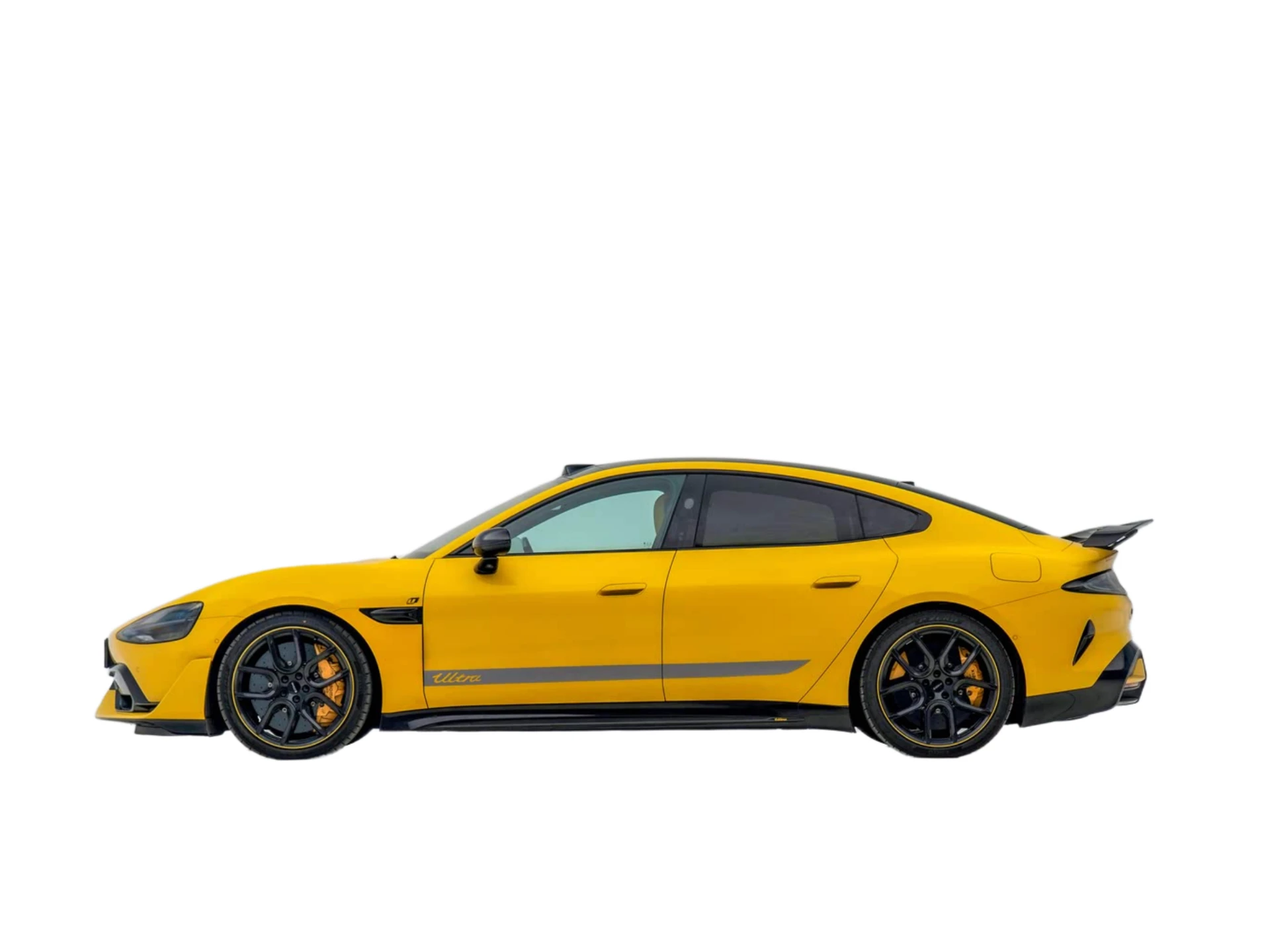
New energy wagons represent a significant evolution in automotive engineering, integrating electric or hybrid propulsion systems into the traditional wagon body style. Positioned within the automotive industry’s transition towards sustainable transportation, these vehicles aim to provide the practicality and cargo capacity expected of a wagon, coupled with reduced emissions and operating costs. Core performance characteristics center around battery range, charging infrastructure compatibility, power output, and overall energy efficiency. Unlike traditional internal combustion engine (ICE) wagons, new energy wagons leverage advanced battery technologies – typically Lithium-ion – and electric motors to deliver propulsion. The critical challenge lies in balancing passenger and cargo space with the volumetric requirements of battery packs and powertrain components. Market adoption is driven by increasing environmental awareness, government incentives, and advancements in battery technology enabling competitive range and performance. This guide will delve into the material science, manufacturing processes, performance metrics, failure modes, and relevant standards governing new energy wagon production and operation.
Material Science & Manufacturing
The construction of a new energy wagon necessitates a nuanced understanding of material science, extending beyond conventional automotive materials. The body-in-white (BIW) structure increasingly utilizes high-strength steel (HSS) and aluminum alloys to minimize weight, maximizing energy efficiency. Advanced High-Strength Steels (AHSS), such as Dual-Phase (DP) and Transformation-Induced Plasticity (TRIP) steels, provide exceptional formability and crashworthiness. Aluminum alloys, particularly 5052 and 6061, are prevalent in body panels and structural components to further reduce mass. Battery pack housings often employ aluminum extrusions due to their lightweight properties and effective heat dissipation. The manufacturing process for the BIW involves robotic welding, laser cutting, and hydroforming. Precise control of welding parameters – current, voltage, and gas shielding – is crucial to maintain material integrity and prevent weld defects. The battery pack assembly is a highly automated process, requiring cleanroom environments to prevent contamination. Cell-to-pack and cell-to-body technologies are emerging, integrating battery cells directly into the vehicle structure, eliminating the need for module and pack housings, thereby increasing volumetric energy density. Thermal management systems, utilizing materials like ethylene glycol-based coolants and phase-change materials, are integral to maintaining optimal battery temperature, impacting performance and lifespan. Interior components increasingly incorporate recycled and sustainable materials, such as bio-based polymers and fabrics, aligning with environmental objectives.
Performance & Engineering
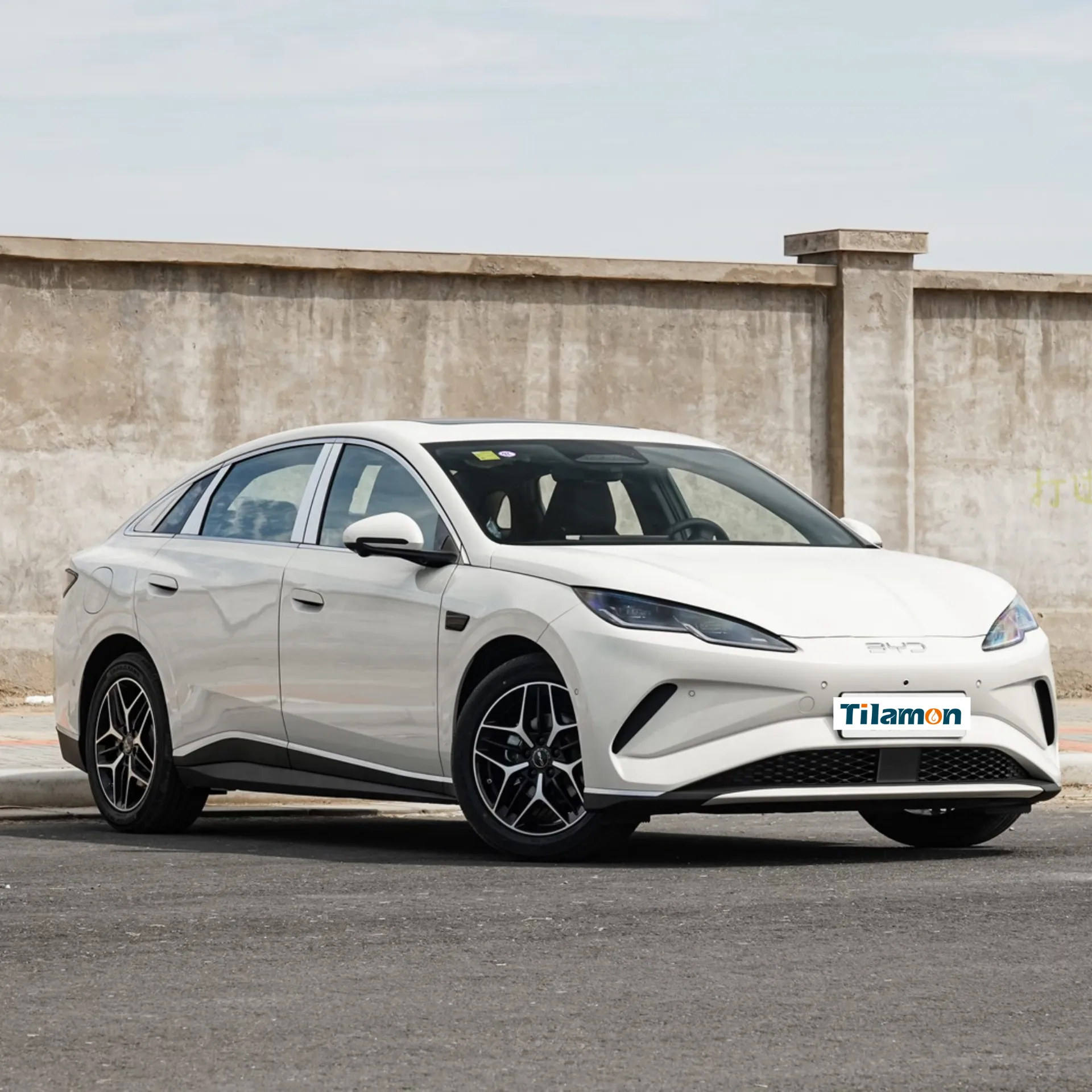
Performance analysis of new energy wagons centers on several key engineering parameters. Powertrain efficiency is paramount, influenced by motor design, inverter technology, and regenerative braking systems. Force analysis during acceleration, braking, and cornering must account for the added weight of the battery pack, impacting suspension tuning and chassis stability. Environmental resistance is critical; battery packs must withstand extreme temperatures, humidity, and vibration. Compliance requirements encompass stringent safety standards, including crashworthiness testing (frontal, side, rollover) and battery safety certifications (UL 2580, IEC 62133). Functional implementation of the electric powertrain demands sophisticated control algorithms for energy management, motor control, and thermal regulation. The location of the battery pack significantly impacts vehicle center of gravity (CG) and handling characteristics. Lowering the CG improves stability and reduces body roll. Aerodynamic drag is a major factor affecting energy consumption, necessitating optimized body shapes and underbody panels. The regenerative braking system recovers kinetic energy during deceleration, converting it back into electrical energy stored in the battery, enhancing overall efficiency. Thermal management systems are engineered to maintain battery temperature within a narrow operating range, preventing overheating or excessive cooling, both of which can degrade performance and lifespan. Detailed finite element analysis (FEA) is used to simulate structural loads and optimize component designs for weight reduction and crashworthiness.
Technical Specifications
| Parameter | Unit | Typical Value (Compact Wagon) | Typical Value (Large Wagon) |
|---|---|---|---|
| Battery Capacity | kWh | 60 | 100 |
| Range (WLTP) | km | 400 | 600 |
| Motor Power (Peak) | kW | 150 | 250 |
| 0-100 km/h Acceleration | s | 8.5 | 6.5 |
| Charging Time (DC Fast Charging 0-80%) | min | 30 | 45 |
| Curb Weight | kg | 1700 | 2200 |
Failure Mode & Maintenance
New energy wagons are subject to unique failure modes compared to their ICE counterparts. Battery degradation is a primary concern, characterized by reduced capacity and increased internal resistance over time, stemming from factors like cycling, temperature exposure, and state of charge (SOC) management. Thermal runaway, a potentially hazardous event involving uncontrolled heat generation within a battery cell, can lead to fire or explosion. Connector corrosion, particularly in high-voltage systems, can cause electrical resistance and system failure. Electric motor failures can result from bearing wear, insulation breakdown, or inverter malfunctions. Coolant leaks within the thermal management system compromise battery temperature regulation. Failure analysis often reveals dendrite formation within lithium-ion batteries as a root cause of short circuits and capacity loss. Preventative maintenance includes regular battery health checks, coolant level inspections, connector cleaning and tightening, and software updates for the battery management system (BMS). Diagnostic tools, such as battery impedance testers and thermal imaging cameras, are used to identify potential issues. Battery replacement is often required after 8-10 years, depending on usage patterns. Proper disposal of end-of-life batteries is crucial to minimize environmental impact, adhering to regulations regarding hazardous waste management. Periodic inspection of high-voltage cables for insulation damage is also vital.
Industry FAQ
Q: What is the expected lifespan of a new energy wagon battery pack, and what factors influence it?
A: The typical lifespan of a new energy wagon battery pack is 8-10 years or 160,000-200,000 kilometers, whichever comes first. Several factors influence battery lifespan, including charging habits (frequent fast charging accelerates degradation), temperature exposure (extreme heat or cold reduces capacity), depth of discharge (deep discharges shorten lifespan), and driving style (aggressive acceleration and braking increase stress). A robust Battery Management System (BMS) that optimizes charging and discharging cycles is crucial for maximizing battery longevity.
Q: How does the weight of the battery pack affect the handling and performance of a new energy wagon?
A: The added weight of the battery pack, typically 300-500 kg, lowers the vehicle's center of gravity, which generally improves stability and reduces body roll during cornering. However, it also increases the overall vehicle mass, potentially impacting acceleration and braking performance. Suspension systems are often tuned to compensate for the increased weight, ensuring optimal handling characteristics. Regenerative braking helps to mitigate the impact of the increased weight on braking distance.
Q: What safety standards are applicable to new energy wagon battery packs?
A: Several safety standards govern new energy wagon battery packs. UL 2580 (USA) and IEC 62133 (International) specify requirements for battery pack design, construction, and testing, including mechanical integrity, electrical safety, and thermal stability. ISO 26262 addresses functional safety of electrical/electronic (E/E) systems in vehicles, encompassing battery management systems. Additionally, vehicle-level crashworthiness standards, such as those defined by NHTSA (USA) and Euro NCAP (Europe), apply to the entire vehicle, including the battery pack.
Q: What are the challenges associated with fast charging of new energy wagon batteries?
A: Fast charging, while convenient, can accelerate battery degradation due to increased heat generation and lithium plating. High charging currents stress the battery cells, leading to capacity loss over time. Thermal management systems must effectively dissipate the heat generated during fast charging to prevent overheating. The charging infrastructure and grid capacity must also be adequate to support widespread fast charging adoption. Advanced charging algorithms and battery chemistry innovations are being developed to mitigate these challenges.
Q: How do different climate conditions impact the performance of a new energy wagon?
A: Extreme temperatures significantly impact battery performance. Cold temperatures reduce battery capacity and increase internal resistance, leading to decreased range. Hot temperatures accelerate battery degradation and can trigger thermal runaway. Heating and cooling systems are crucial for maintaining optimal battery temperature in all climate conditions. Additionally, cold weather can reduce the efficiency of regenerative braking and increase energy consumption for cabin heating.
Conclusion
New energy wagons represent a compelling intersection of practicality, sustainability, and advanced engineering. The successful implementation of these vehicles relies on a sophisticated understanding of material science, manufacturing processes, and electrical engineering principles. Balancing battery weight and volume with passenger and cargo space remains a key design challenge, driving innovation in battery technology and vehicle architecture. Continuous advancements in battery chemistry, thermal management, and charging infrastructure are essential to overcome limitations related to range, charging time, and battery lifespan.
The future of new energy wagons is intertwined with the evolution of sustainable transportation and the global shift towards electrification. Further research and development in areas like solid-state batteries, wireless charging, and vehicle-to-grid (V2G) technology will unlock even greater potential for these vehicles. Adherence to stringent safety standards and responsible battery disposal practices are paramount to ensuring the long-term viability and environmental friendliness of new energy wagon technology.