
Apr . 01, 2024 17:55 Back to list
New Energy Vehicles Performance Analysis
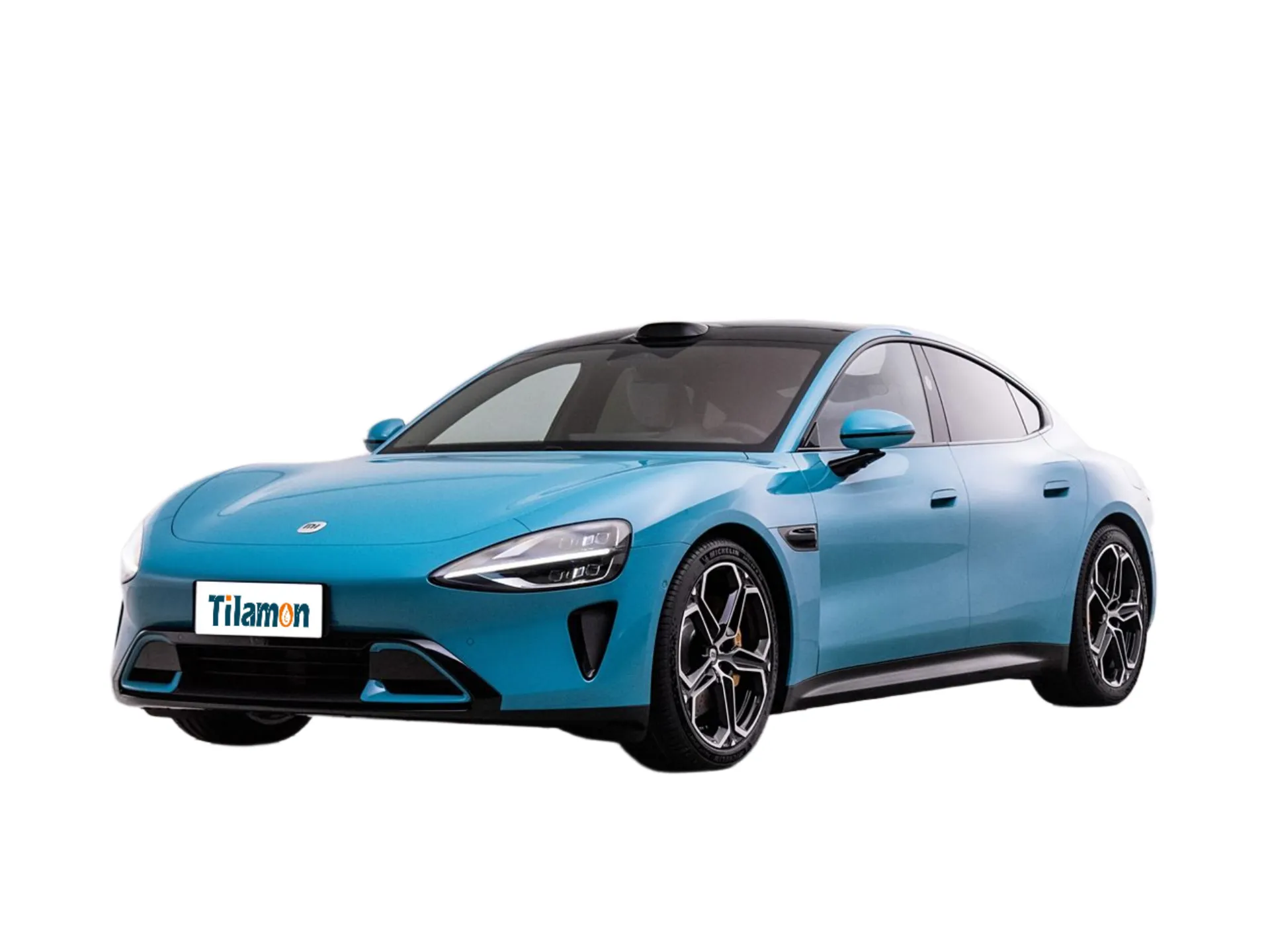
Introduction
New Energy Vehicles (NEVs) represent a paradigm shift in automotive engineering, encompassing Battery Electric Vehicles (BEVs), Plug-in Hybrid Electric Vehicles (PHEVs), and Fuel Cell Electric Vehicles (FCEVs). Technically positioned as successors to the internal combustion engine vehicle (ICEV), NEVs address growing concerns regarding greenhouse gas emissions and dwindling fossil fuel reserves. Their core performance characteristics are defined by powertrain efficiency, energy storage capacity, and charging/refueling infrastructure compatibility. The industry chain is complex, extending from raw material extraction (lithium, cobalt, nickel) through cell manufacturing, battery pack assembly, vehicle integration, and culminating in end-of-life battery management. Key performance indicators include range, charging time, energy consumption (kWh/100km), and overall vehicle lifespan. A primary pain point currently lies in achieving cost parity with ICEVs while maintaining performance and safety standards. Another challenge involves establishing a robust and reliable charging infrastructure to alleviate range anxiety and support widespread adoption. Finally, the sustainable sourcing of battery materials and responsible end-of-life battery recycling are critical concerns demanding ongoing innovation and regulatory oversight.
Material Science & Manufacturing
NEV construction leverages a diverse range of advanced materials. Battery cells, typically Lithium-ion (Li-ion), utilize cathode materials like Lithium Nickel Manganese Cobalt Oxide (NMC), Lithium Iron Phosphate (LFP), or Nickel Cobalt Aluminum Oxide (NCA). Anode materials predominantly consist of graphite, with ongoing research exploring silicon-based anodes for increased energy density. Electrolyte compositions vary, ranging from liquid electrolytes to solid-state electrolytes aiming for enhanced safety and performance. Vehicle bodies increasingly employ high-strength steel (HSS), aluminum alloys, and carbon fiber reinforced polymers (CFRP) to reduce weight and improve energy efficiency. Manufacturing processes for battery packs involve cell formation, module assembly, and pack integration, requiring precise control over thermal management systems (TMS) to prevent overheating and ensure optimal performance. The TMS typically utilizes liquid cooling, phase-change materials, or air cooling. Vehicle chassis construction employs automated welding, laser cutting, and robotic assembly. CFRP components are manufactured via resin transfer molding (RTM) or autoclave curing. Parameter control during cell manufacturing, specifically controlling electrolyte purity, electrode coating uniformity, and cell formation voltage, is critical for achieving consistent performance and lifespan. Corrosion prevention strategies, particularly for aluminum components in contact with dissimilar metals, utilize surface treatments like anodization and the application of protective coatings.

Performance & Engineering
NEV performance is fundamentally governed by powertrain efficiency and aerodynamic drag. Electric motors exhibit high torque at low speeds, resulting in rapid acceleration. However, maintaining efficiency at higher speeds requires optimized motor design and sophisticated control algorithms. Battery capacity dictates vehicle range, with larger capacities generally equating to longer ranges but also increased weight and cost. Regenerative braking systems recapture kinetic energy during deceleration, increasing energy efficiency and extending range. Environmental resistance is paramount; battery packs must operate reliably across a wide temperature range (-30°C to +60°C) and withstand vibration, shock, and humidity. Compliance with safety standards, such as UN ECE R100 (electric vehicle safety regulations) and ISO 26262 (functional safety), is mandatory. Thermal runaway, a potential hazard in Li-ion batteries, is mitigated through sophisticated battery management systems (BMS) that monitor cell voltage, current, and temperature, and implement protective measures like cell balancing and forced cooling. Structural integrity is crucial for passenger safety in the event of a collision, requiring careful design and material selection to meet crashworthiness standards (e.g., FMVSS 213, Euro NCAP). Force analysis focuses on optimizing suspension systems and chassis rigidity to ensure handling stability and ride comfort.
Technical Specifications
| Battery Capacity (kWh) | Range (km) | Charging Time (0-80%) (minutes) - DC Fast Charging | Motor Power (kW) | Energy Consumption (kWh/100km) | 0-100 km/h Acceleration (seconds) |
|---|---|---|---|---|---|
| 40 | 300 | 30 | 100 | 14 | 8.5 |
| 60 | 450 | 40 | 150 | 12 | 6.8 |
| 80 | 600 | 45 | 200 | 10 | 5.2 |
| 100 | 750 | 50 | 250 | 9 | 4.5 |
| 120 | 900 | 55 | 300 | 8 | 3.9 |
| 150 | 1100 | 60 | 350 | 7 | 3.2 |
Failure Mode & Maintenance
Common failure modes in NEVs include battery degradation, motor bearing failure, inverter component failure, and thermal management system malfunctions. Battery degradation, characterized by reduced capacity and increased internal resistance, is primarily caused by calendar aging and cycle aging. Factors accelerating degradation include high charging/discharging rates, extreme temperatures, and overcharging/undercharging. Motor bearing failure can occur due to insufficient lubrication, contamination, or excessive loads. Inverter failures often stem from overheating, voltage stress, or component defects. Thermal management system failures can lead to battery overheating or insufficient cabin heating/cooling. Preventative maintenance includes regular battery health checks (SOC, SOH), coolant level inspections, brake system maintenance (despite regenerative braking), tire pressure monitoring, and software updates. Failure analysis techniques include electrochemical impedance spectroscopy (EIS) for battery health assessment, vibration analysis for motor bearing diagnosis, and thermal imaging for identifying hotspots in the inverter and battery pack. Remediation strategies involve cell replacement in battery packs, motor bearing replacement, inverter component repair or replacement, and TMS component repair or replacement. Proper disposal and recycling of end-of-life batteries are crucial to minimize environmental impact and recover valuable materials.
Industry FAQ
Q: What is the impact of different battery chemistries (NMC, LFP, NCA) on vehicle performance and safety?
A: NMC offers a good balance of energy density, power, and cost, making it suitable for long-range applications. However, it contains nickel and cobalt, raising ethical and supply chain concerns. LFP is more thermally stable and cost-effective, but has lower energy density. NCA boasts high energy density but is more expensive and requires stringent thermal management. The choice depends on the application and prioritizes range, cost, safety, and sustainability.
Q: How does regenerative braking affect brake pad wear and overall brake system performance?
A: Regenerative braking significantly reduces reliance on friction brakes, extending brake pad life. However, friction brakes are still required for emergency stopping and low-speed maneuvers. It's crucial to maintain the mechanical brake system (calipers, rotors, lines) to prevent corrosion and ensure functionality even with reduced usage. Blending regenerative and friction braking effectively is key for optimal performance and driver feel.
Q: What are the key challenges in developing a reliable and fast-charging infrastructure?
A: Key challenges include grid capacity limitations, the need for standardized charging protocols (CCS, CHAdeMO, Tesla Supercharger), and the cost of installing and maintaining high-power charging stations. Fast charging generates significant heat, requiring robust thermal management systems within both the charging station and the vehicle. Smart grid integration and dynamic load balancing are essential for optimizing grid utilization.
Q: What are the long-term effects of battery degradation on vehicle resale value?
A: Battery degradation directly impacts vehicle range and performance, thus affecting resale value. Vehicles with significantly degraded batteries command lower prices. Offering battery warranties and providing transparent battery health reports can mitigate this concern and maintain consumer confidence. Second-life applications for used batteries (e.g., energy storage systems) can also enhance residual value.
Q: How do different environmental factors (temperature, humidity, altitude) impact NEV performance?
A: Extreme temperatures reduce battery capacity and charging efficiency. Cold temperatures increase internal resistance, while high temperatures accelerate degradation. Humidity can cause corrosion of electrical components. Altitude affects air density, impacting motor cooling and overall powertrain efficiency. NEVs are engineered to compensate for these factors, but performance can be noticeably affected in extreme conditions.
Conclusion
New Energy Vehicles represent a complex intersection of material science, electrical engineering, and automotive design. Their proliferation hinges on continuous advancements in battery technology, charging infrastructure development, and sustainable manufacturing practices. Addressing the inherent challenges of range anxiety, cost competitiveness, and battery lifecycle management is paramount for achieving widespread adoption.
Future development will likely focus on solid-state batteries offering improved energy density and safety, wireless charging technologies enhancing convenience, and vehicle-to-grid (V2G) capabilities enabling NEVs to contribute to grid stabilization. Standardization of charging infrastructure and robust recycling programs are crucial for ensuring the long-term sustainability of the NEV ecosystem.