
Apr . 01, 2024 17:55 Back to list
New Energy Vehicle nev Battery Technology
Introduction
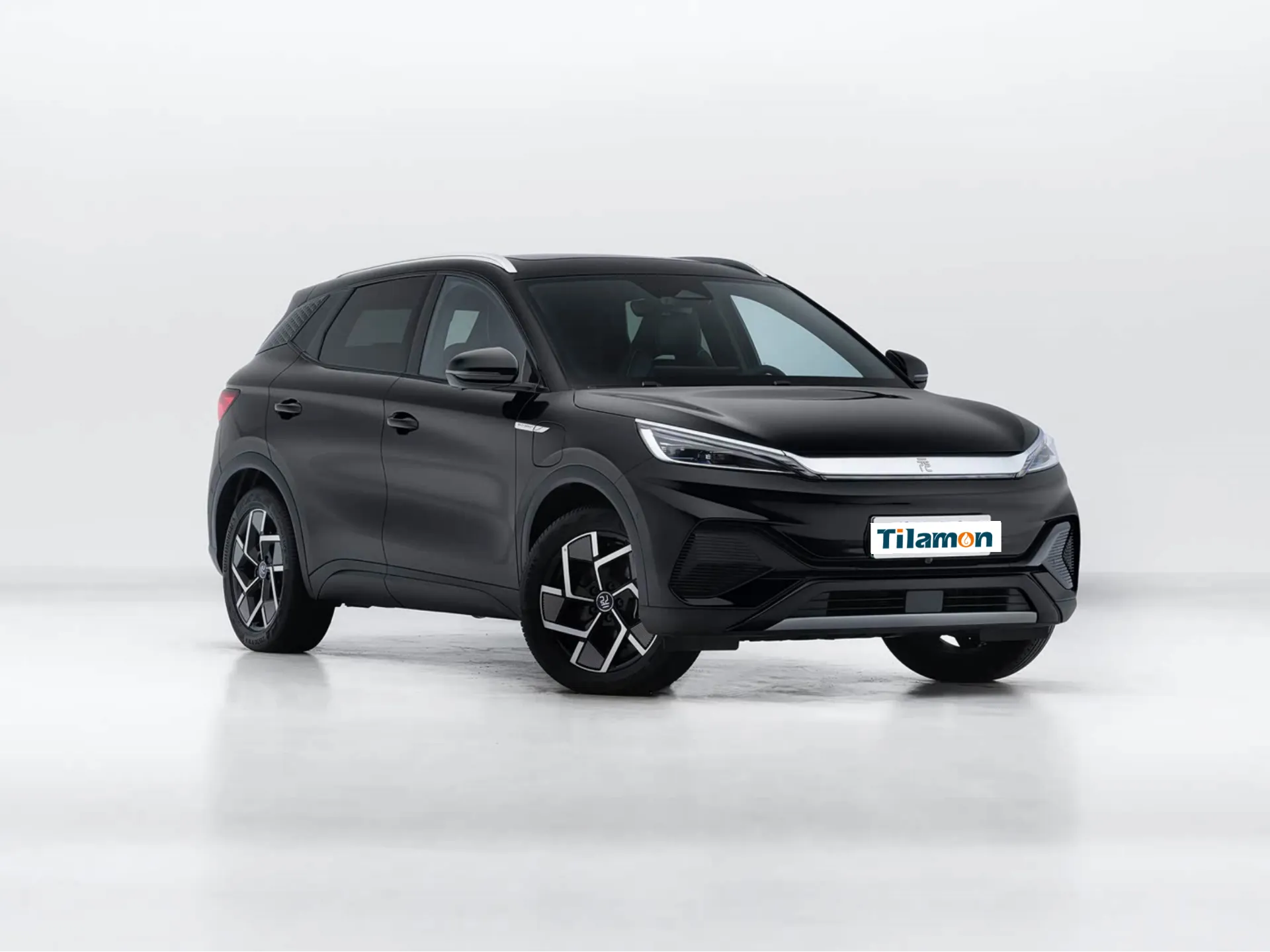
New Energy Vehicles (NEVs) represent a paradigm shift in automotive engineering and transportation, encompassing Battery Electric Vehicles (BEVs), Plug-in Hybrid Electric Vehicles (PHEVs), and Fuel Cell Electric Vehicles (FCEVs). These vehicles are distinguished by their reduced reliance on internal combustion engines (ICEs) and consequently, lower emissions. Within the automotive industry supply chain, NEVs position themselves as a rapidly evolving segment, demanding continuous advancements in battery technology, power electronics, lightweight materials, and charging infrastructure. Core performance characteristics are defined by energy density (Wh/kg), range (km), charging time (hours), and overall lifecycle environmental impact, forming the crucial criteria for market acceptance and regulatory compliance. The increasing demand for NEVs is driven by stringent emission standards, government incentives, and growing consumer awareness of sustainability. This guide will provide an in-depth technical overview of NEV components, manufacturing processes, performance characteristics, failure modes, and relevant industry standards.
Material Science & Manufacturing
The materials landscape of NEVs is significantly different than that of traditional ICE vehicles. Key components necessitate advanced material properties. Battery packs, primarily utilizing Lithium-ion chemistries (NMC, NCA, LFP), require materials exhibiting high ionic conductivity, thermal stability, and electrochemical performance. Cathode materials (Lithium Nickel Manganese Cobalt Oxide - NMC, Lithium Nickel Cobalt Aluminum Oxide - NCA, Lithium Iron Phosphate - LFP) dictate energy density and cycle life. Anode materials typically employ graphite, with ongoing research into silicon-based anodes for enhanced capacity. Separators, crafted from polymers like polyethylene (PE) or polypropylene (PP), provide electrical isolation while permitting ion transport. Electrolytes, usually lithium salts dissolved in organic solvents, facilitate ion movement. Manufacturing of battery cells involves electrode coating, cell assembly, formation, and testing. Precise control of coating thickness, electrode alignment, and electrolyte purity is critical. Vehicle bodies increasingly utilize aluminum alloys, carbon fiber reinforced polymers (CFRP), and high-strength steel to reduce weight. CFRP production involves resin transfer molding (RTM) or prepreg layup, demanding strict temperature and pressure control to achieve optimal fiber alignment and void content. Electric motor manufacturing involves stator winding (copper wire), rotor assembly (permanent magnets – typically Neodymium Iron Boron (NdFeB)), and housing fabrication. NdFeB magnet manufacturing requires precise control of alloy composition and sintering processes to maximize magnetic flux density. Thermal management systems employ coolants (glycol-water mixtures) and heat exchangers, necessitating corrosion-resistant materials like aluminum and stainless steel.
Performance & Engineering
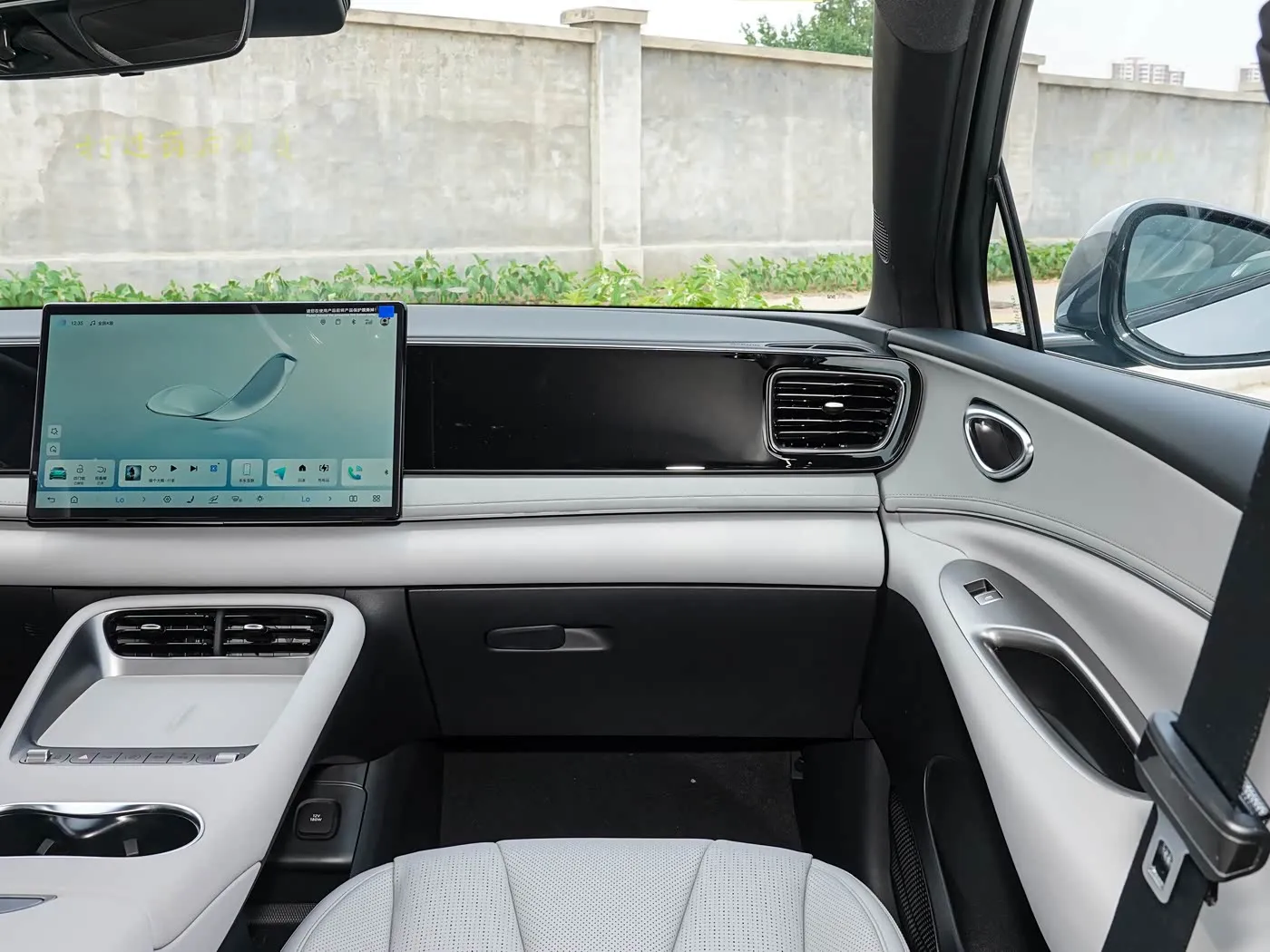
Performance engineering in NEVs centers around maximizing range, optimizing energy efficiency, and ensuring vehicle safety. The powertrain, consisting of the battery pack, power electronics (inverter, DC-DC converter), and electric motor, dictates overall vehicle performance. Force analysis focuses on regenerative braking systems, determining the optimal balance between kinetic energy recovery and braking distance. Environmental resistance is paramount, necessitating protection against extreme temperatures, humidity, and corrosive elements. Battery thermal management systems (BTMS) employ liquid cooling or air cooling to maintain optimal operating temperatures, preventing thermal runaway and extending battery life. Crashworthiness is addressed through structural design incorporating energy-absorbing zones and high-strength materials. Compliance requirements vary geographically, with regulations such as Euro NCAP, NHTSA standards, and China’s C-NCAP dictating safety performance levels. Functional implementation of advanced driver-assistance systems (ADAS) relies on sensor integration (LiDAR, radar, cameras) and sophisticated control algorithms. Electromagnetic compatibility (EMC) is crucial to prevent interference between electronic components. Power electronics design focuses on minimizing switching losses and maximizing efficiency through optimized pulse-width modulation (PWM) strategies. Battery management systems (BMS) meticulously monitor cell voltage, current, and temperature, preventing overcharge, over-discharge, and thermal runaway. The aerodynamic drag coefficient (Cd) is a crucial factor influencing range, prompting extensive wind tunnel testing and optimization of vehicle body design.
Technical Specifications
| Battery Capacity (kWh) | Range (km) – WLTP | Charging Time (0-80%) – DC Fast Charging (min) | Motor Power (kW) |
|---|---|---|---|
| 40 | 320 | 30 | 100 |
| 60 | 450 | 40 | 150 |
| 80 | 580 | 45 | 200 |
| 100 | 700 | 50 | 250 |
| 120 | 820 | 55 | 300 |
| 150 | 950 | 60 | 350 |
Failure Mode & Maintenance
NEVs, while exhibiting reduced mechanical complexity compared to ICE vehicles, present unique failure modes. Battery degradation, characterized by capacity fade and increased internal resistance, is a primary concern, influenced by factors such as temperature, charge/discharge cycles, and state of charge (SoC). Lithium plating, a consequence of fast charging at low temperatures, can lead to short circuits and reduced battery life. Thermal runaway, triggered by overheating, can result in catastrophic failure. Electric motor failures can stem from bearing wear, insulation breakdown, or rotor demagnetization. Power electronics failures are often attributed to component overheating, solder joint fatigue, or semiconductor device failure. Cooling system leaks can lead to component overheating and performance degradation. Corrosion of electrical connectors and busbars can increase resistance and cause intermittent faults. Maintenance strategies involve regular battery health checks (SoH analysis), coolant flushes, inspection of electrical connections, and software updates for BMS and powertrain control modules. Proactive monitoring of battery temperature and voltage is crucial for preventing thermal runaway. Preventive maintenance of the cooling system, including inspection of hoses and pumps, is essential for maintaining optimal performance. Regular tire rotation and brake system inspections are also necessary, although regenerative braking reduces the frequency of traditional brake pad replacements.
Industry FAQ
Q: What is the primary cause of range anxiety in BEVs, and how can it be mitigated?
A: Range anxiety stems from uncertainty about the remaining driving range and the availability of charging infrastructure. Mitigation strategies include increasing battery capacity, improving energy efficiency through aerodynamic optimization and lightweighting, expanding the charging network, and providing accurate range estimation algorithms in the vehicle's navigation system.
Q: How does the choice of battery chemistry (NMC, NCA, LFP) impact vehicle performance and safety?
A: NMC and NCA chemistries offer higher energy density, resulting in longer range, but are more susceptible to thermal runaway. LFP chemistries are inherently safer and have a longer cycle life but exhibit lower energy density. The choice depends on the intended application and prioritisation of performance versus safety.
Q: What are the key challenges in scaling up the production of solid-state batteries?
A: Solid-state batteries promise higher energy density and improved safety, but scaling up production faces challenges related to material cost, interfacial resistance between the solid electrolyte and electrodes, and manufacturing process complexity.
Q: How does regenerative braking impact the lifespan of brake pads and tires?
A: Regenerative braking significantly reduces the wear on traditional brake pads as it utilizes the electric motor to decelerate the vehicle, recovering energy instead of relying solely on friction brakes. However, tires still experience wear due to rolling resistance and cornering forces.
Q: What are the implications of fast charging on battery health and longevity?
A: While convenient, fast charging can accelerate battery degradation due to increased heat generation and lithium plating. Optimizing charging protocols, such as tapering the charge rate as the battery approaches full capacity, can help mitigate these effects.
Conclusion
New Energy Vehicles represent a complex interplay of advanced materials, sophisticated engineering, and evolving regulatory landscapes. The continuous pursuit of higher energy density, improved charging infrastructure, and enhanced safety features is driving innovation across the entire automotive industry. Understanding the nuances of battery technology, powertrain design, and thermal management is critical for ensuring the long-term viability and widespread adoption of NEVs.
The future of NEVs hinges on addressing challenges related to material sourcing, battery recycling, and the development of sustainable manufacturing processes. Standardization of charging protocols and interoperability between different charging networks are also crucial for fostering consumer confidence and accelerating the transition to a cleaner transportation future. Continued investment in research and development, coupled with strategic collaborations between automakers, battery manufacturers, and government agencies, will be essential for realizing the full potential of New Energy Vehicles.