
Apr . 01, 2024 17:55 Back to list
New energy car Performance Analysis
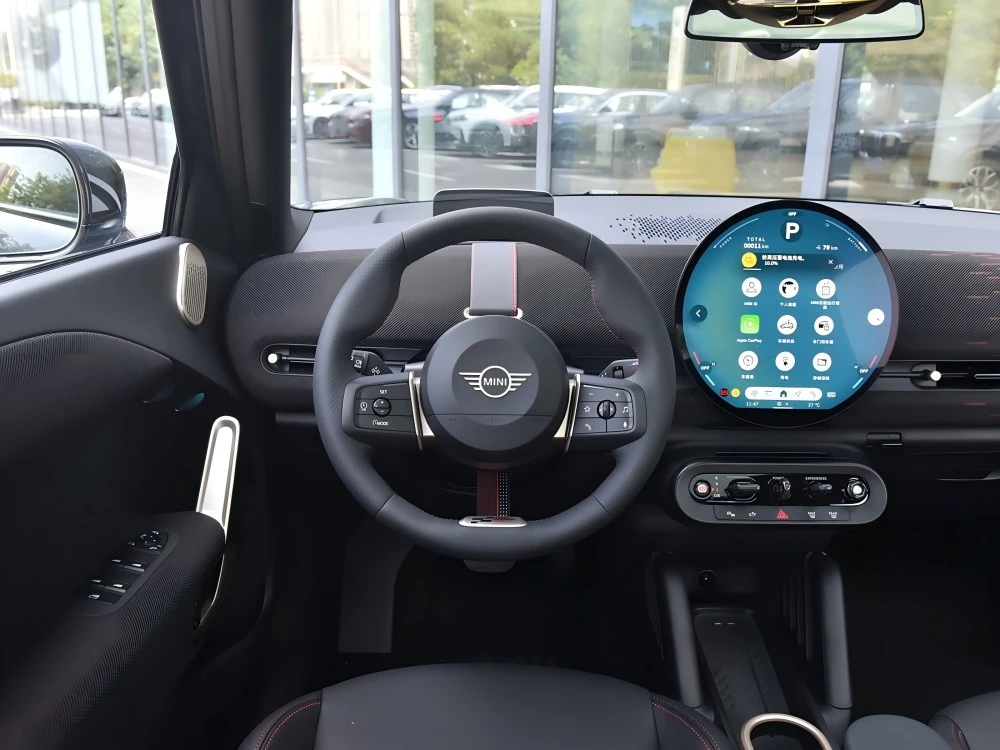
Introduction
New energy vehicles (NEVs) represent a paradigm shift in automotive engineering, encompassing battery electric vehicles (BEVs), plug-in hybrid electric vehicles (PHEVs), and fuel cell electric vehicles (FCEVs). Their technical position within the automotive industry chain is rapidly evolving, transitioning from niche applications to mainstream adoption driven by stringent emissions regulations and advancements in battery technology. Core performance characteristics center around energy efficiency, range, charging/refueling infrastructure compatibility, and overall life cycle environmental impact. This guide provides a comprehensive technical overview of NEVs, covering materials, manufacturing, performance, failure modes, and industry standards. A key pain point within the industry is balancing performance with cost, especially regarding battery pack complexity and sourcing of rare earth materials. Another crucial consideration is ensuring the long-term durability and safety of high-voltage systems in diverse operating conditions. Furthermore, the standardization of charging infrastructure and battery swapping technologies remains a critical hurdle to widespread adoption.
Material Science & Manufacturing
The core of NEV technology relies heavily on advanced material science and precision manufacturing. Battery packs, typically lithium-ion based (NMC, NCA, LFP), necessitate rigorous control over electrode material composition (LiCoO2, LiNiMnCoO2, LiFePO4), electrolyte formulation (organic carbonates with LiPF6 salts), and separator characteristics (polyethylene, polypropylene). The manufacturing process involves slurry preparation, coating, calendaring, cell assembly in a dry room environment (humidity < 1%), and module/pack integration. Significant attention is paid to thermal management, utilizing materials like graphite-enhanced polymers for heat spreading and liquid cooling systems employing ethylene glycol-water mixtures. Vehicle chassis construction frequently leverages aluminum alloys (6061, 7075) and high-strength steel (AHSS, UHSS) to minimize weight and maximize structural integrity. Carbon fiber reinforced polymers (CFRP) are increasingly employed in body panels for further weight reduction, but pose challenges in repair and recyclability. Electric motor manufacturing focuses on high-permeability electrical steel laminations, copper windings with specialized insulation materials (Class H), and precision bearings designed for high rotational speeds. The winding process demands tight tolerances to minimize eddy current losses. PHEVs and FCEVs introduce additional material complexities, including hydrogen storage tanks (carbon fiber composites with polymer liners) and fuel cell stacks (platinum catalysts, proton exchange membranes - Nafion).
Performance & Engineering
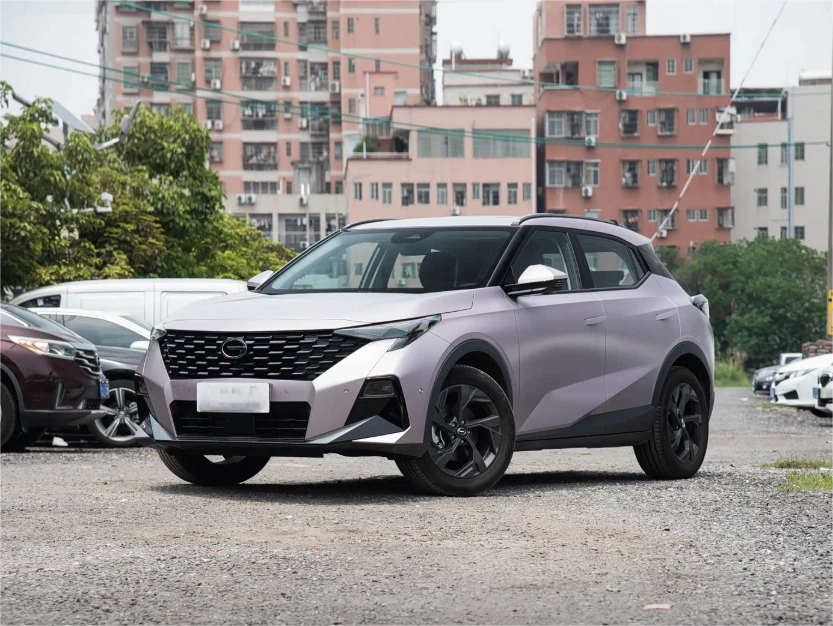
NEV performance is fundamentally dictated by powertrain efficiency and energy storage capacity. Force analysis during acceleration and braking focuses on traction control, regenerative braking system optimization, and motor torque characteristics. The efficiency of power electronics (inverters, DC-DC converters) directly impacts range and energy consumption. Environmental resistance is a critical design factor, requiring robust thermal management systems capable of operating in extreme temperatures (-40°C to +85°C) and protection against moisture ingress (IP67 rating). Compliance with safety standards (e.g., UN ECE R100 for battery safety) is paramount, encompassing crash testing, overcharge/discharge protection, and thermal runaway mitigation. Functional implementation of advanced driver-assistance systems (ADAS) relies heavily on sensor fusion (LiDAR, radar, cameras) and high-performance computing platforms. Battery management systems (BMS) play a crucial role in monitoring cell voltage, current, and temperature, optimizing charging/discharging cycles, and extending battery lifespan. The integration of fast charging capabilities (DC fast charging) necessitates robust thermal management to prevent overheating and degradation. Furthermore, electromagnetic compatibility (EMC) testing is essential to ensure that the NEV does not interfere with other electronic devices.
Technical Specifications
| Parameter | BEV (Typical) | PHEV (Typical) | FCEV (Typical) |
|---|---|---|---|
| Battery Capacity (kWh) | 60-100 | 10-20 | N/A |
| Range (km) | 400-600 | 50-100 (Electric) + 500-800 (Gasoline) | 500-700 |
| Charging Time (DC Fast Charging) | 30-60 minutes (0-80%) | 20-40 minutes (0-80%) | 5-10 minutes (Hydrogen Refill) |
| Motor Power (kW) | 150-250 | 80-150 (Electric) + 100-200 (Internal Combustion) | 100-180 |
| Energy Consumption (kWh/100km) | 15-20 | 2-5 (Electric) + 6-8 (Gasoline) | 0.8-1.2 (Hydrogen Equivalent) |
| System Voltage (V) | 400-800 | 400-800 | 48-400 |
Failure Mode & Maintenance
NEVs exhibit unique failure modes compared to conventional vehicles. Battery degradation, characterized by reduced capacity and increased internal resistance, is a primary concern, accelerated by high temperatures, deep discharge cycles, and fast charging. Thermal runaway, a potentially catastrophic event, can occur due to short circuits, overcharging, or mechanical damage. Electric motor failures can stem from bearing wear, winding insulation breakdown, or inverter faults. Power electronic component failures (IGBTs, MOSFETs) are common due to thermal stress and voltage spikes. Hydrogen fuel cell stacks are susceptible to membrane degradation, catalyst poisoning (sulfur compounds), and water management issues. Corrosion of high-voltage connectors and cabling is another potential failure point, particularly in humid environments. Preventative maintenance includes regular battery health checks (State of Health - SOH), coolant flushes, inspection of high-voltage wiring, and software updates for BMS and motor controllers. Failure analysis techniques such as electrochemical impedance spectroscopy (EIS) for battery diagnostics, thermography for identifying hotspots, and vibration analysis for bearing assessment are crucial for root cause determination. Proper handling and disposal of high-voltage components are essential for safety and environmental compliance.
Industry FAQ
Q: What are the primary factors affecting the lifespan of a lithium-ion battery in an NEV?
A: The lifespan of a lithium-ion battery is significantly influenced by operating temperature, charge/discharge rate (C-rate), depth of discharge (DoD), and state of charge (SoC) management. High temperatures accelerate degradation, while frequent deep discharges and high C-rates shorten battery life. Maintaining the SoC within the optimal range (typically 20-80%) and employing intelligent charging algorithms are crucial for maximizing lifespan.
Q: How does regenerative braking impact the energy efficiency and brake wear of an NEV?
A: Regenerative braking captures kinetic energy during deceleration, converting it back into electrical energy and storing it in the battery, thus improving energy efficiency. It significantly reduces the reliance on friction brakes, leading to reduced brake pad and rotor wear. However, the effectiveness of regenerative braking is limited by battery SoC and temperature.
Q: What are the key safety considerations associated with high-voltage systems in NEVs?
A: High-voltage systems pose significant electrical shock hazards. Safety measures include robust insulation, grounding, interlock systems to disable power during maintenance, and clear warning labels. Emergency responders require specialized training and equipment to safely handle NEV accidents involving high-voltage components. Regular inspection of high-voltage cabling and connectors is essential to prevent insulation breakdown.
Q: What are the challenges associated with the widespread adoption of hydrogen fuel cell vehicles?
A: The primary challenges include the high cost of fuel cell stacks, the limited availability of hydrogen refueling infrastructure, and the energy intensity of hydrogen production. Developing cost-effective hydrogen production methods (e.g., electrolysis using renewable energy) and establishing a robust refueling network are critical for widespread adoption.
Q: How does the thermal management system contribute to the overall performance and reliability of an NEV?
A: The thermal management system regulates the temperature of critical components such as the battery pack, electric motor, and power electronics. Maintaining optimal operating temperatures maximizes performance, extends component lifespan, and prevents thermal runaway. Sophisticated thermal management systems utilize liquid cooling, air cooling, and heat pumps to efficiently dissipate heat and maintain stable operating conditions.
Conclusion
New energy vehicles represent a complex intersection of material science, electrical engineering, and software control. Successfully navigating the challenges of battery technology, thermal management, and infrastructure development is critical for realizing the full potential of NEVs. Ongoing research and development efforts focused on improving battery energy density, reducing charging times, and enhancing safety will be pivotal in accelerating the transition to a sustainable transportation future. The long-term viability of NEVs will also depend on establishing robust recycling infrastructure for battery materials and ensuring the responsible sourcing of raw materials.
Looking ahead, advancements in solid-state battery technology, wireless charging capabilities, and vehicle-to-grid (V2G) integration are poised to further revolutionize the NEV landscape. Standardization of charging protocols and battery swapping technologies will be essential for interoperability and convenience. Continued collaboration between automotive manufacturers, energy providers, and government agencies will be crucial for fostering innovation and driving the widespread adoption of new energy vehicles.