
Apr . 01, 2024 17:55 Back to list
New Electric Cars Performance Analysis
Introduction
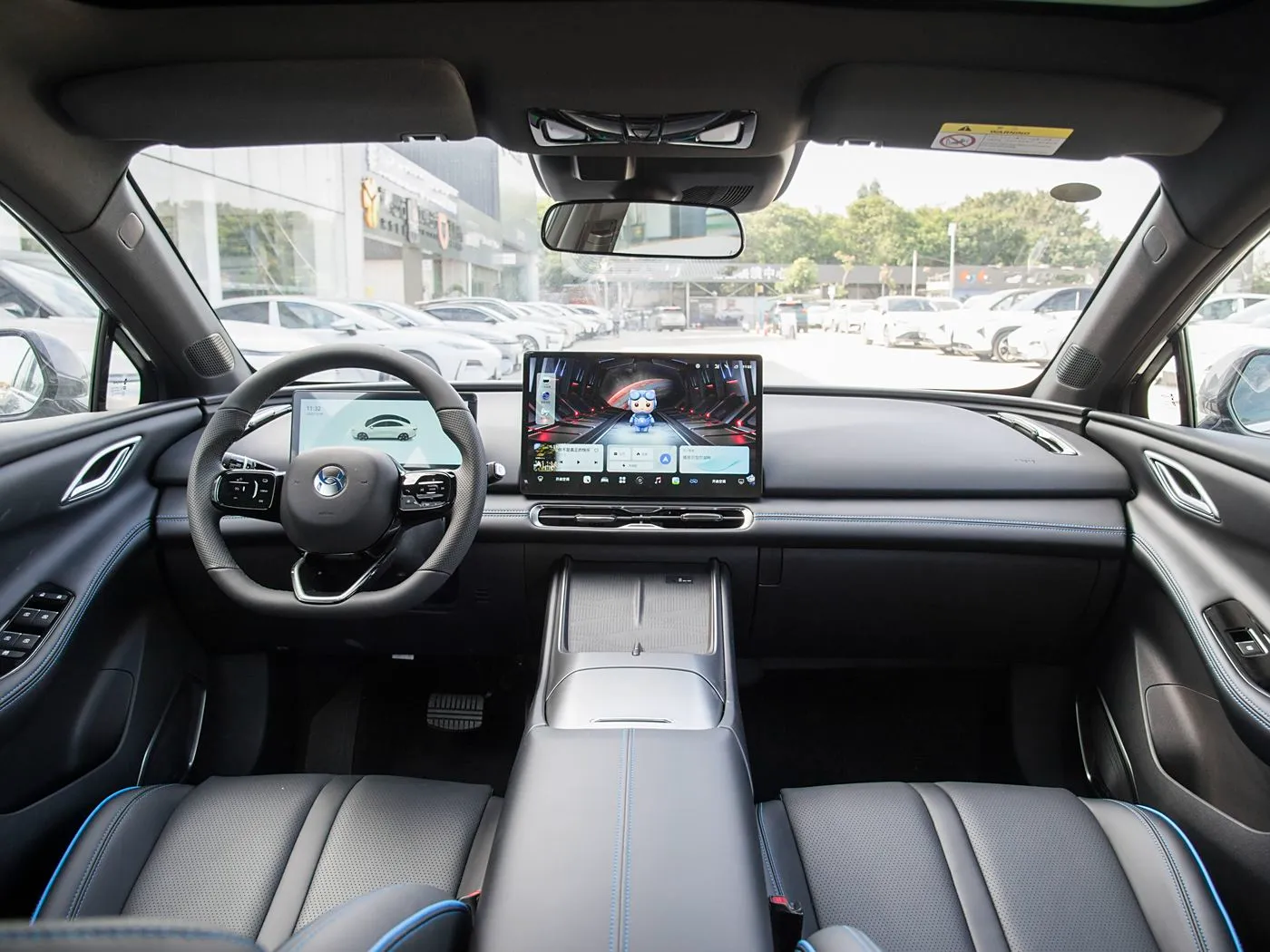
New electric cars represent a significant paradigm shift in the automotive industry, driven by increasing concerns regarding environmental sustainability and advancements in battery technology. Unlike traditional internal combustion engine (ICE) vehicles, electric vehicles (EVs) utilize electric motors powered by rechargeable battery packs, eliminating tailpipe emissions and reducing reliance on fossil fuels. Their position in the industry chain involves intricate interactions between raw material sourcing (lithium, cobalt, nickel), battery cell manufacturing, vehicle assembly, and charging infrastructure development. Core performance metrics for EVs center around battery capacity (kWh), range (miles/kilometers), charging time, acceleration, and overall energy efficiency (miles/kWh or kWh/100km). The critical challenges facing widespread EV adoption include battery cost, charging infrastructure availability, and consumer range anxiety. This guide provides a comprehensive technical overview of new electric cars, detailing material science, manufacturing processes, performance characteristics, potential failure modes, and relevant industry standards.
Material Science & Manufacturing
The materials science underpinning new electric cars is multifaceted. Battery technology, predominantly lithium-ion, relies on cathode materials (NMC – Nickel Manganese Cobalt, NCA – Nickel Cobalt Aluminum, LFP – Lithium Iron Phosphate), anode materials (typically graphite), electrolytes (liquid or solid-state), and separators. The performance of these materials dictates energy density, power output, cycle life, and safety. Manufacturing processes for battery cells involve electrode coating, cell assembly, formation cycling, and module/pack integration. Vehicle body construction increasingly utilizes aluminum alloys and high-strength steel to reduce weight and improve energy efficiency. Carbon fiber reinforced polymers (CFRP) are employed in premium models for further weight reduction, enhancing performance and range. Electric motor manufacturing involves stator winding, rotor assembly (often using permanent magnets with rare earth elements like neodymium and dysprosium), and housing fabrication. Key parameter control during manufacturing includes precise material ratios in battery cells, maintaining low impurity levels, ensuring consistent winding tension in electric motors, and achieving tight tolerances in component assembly to minimize vibration and noise. Thermal management is critical, utilizing materials like thermally conductive polymers and advanced cooling fluids to regulate battery and motor temperatures. Furthermore, the manufacturing of the power electronics, including inverters and DC-DC converters, demands high-purity silicon carbide (SiC) or gallium nitride (GaN) semiconductors.
Performance & Engineering
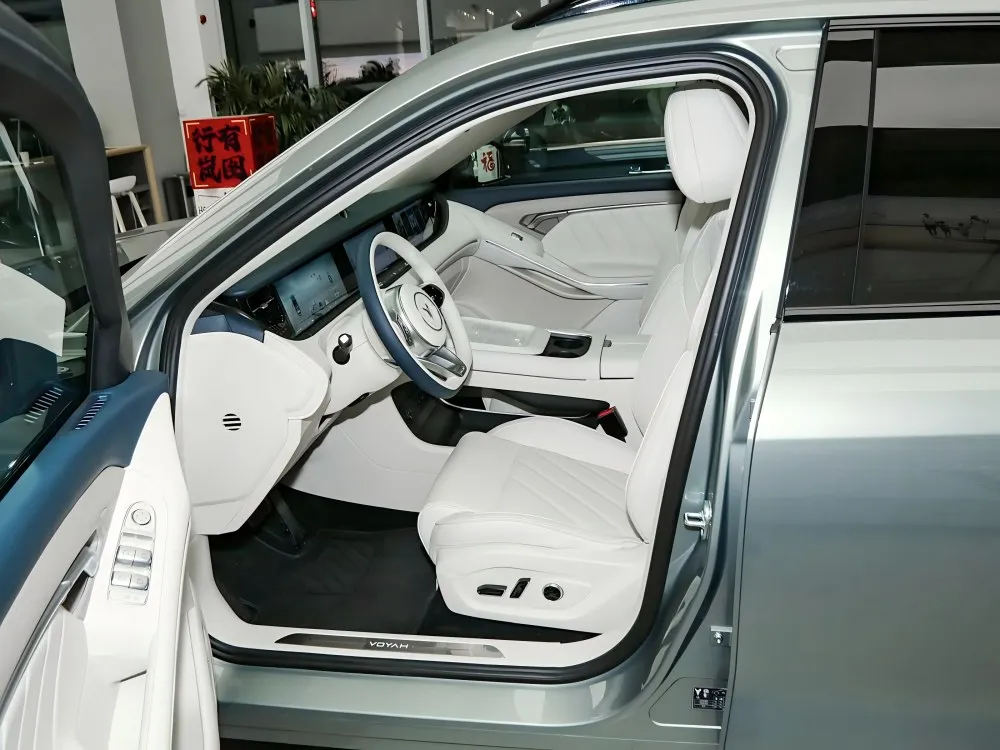
Performance engineering in new electric cars focuses on maximizing efficiency and range. Force analysis centers on optimizing aerodynamics to reduce drag, minimizing rolling resistance through tire selection, and improving powertrain efficiency. Regenerative braking, a key feature of EVs, recovers kinetic energy during deceleration, converting it back into electrical energy and storing it in the battery. This system's performance is governed by the efficiency of the motor-generator and the control algorithms regulating energy recapture. Environmental resistance is crucial, with EVs requiring robust protection against corrosion, temperature extremes, and electromagnetic interference (EMI). Compliance requirements include stringent safety standards for battery packs (crashworthiness, thermal runaway prevention) and electromagnetic compatibility (EMC) regulations. Functional implementation of advanced driver-assistance systems (ADAS) relies on sophisticated sensor arrays (radar, lidar, cameras) and powerful onboard computers. Battery management systems (BMS) are essential for monitoring battery health, optimizing charging/discharging cycles, and preventing overcharge/discharge conditions. The structural integrity of the battery pack, typically housed within the vehicle's underbody, is paramount for crash safety. Furthermore, the thermal management system necessitates precise fluid dynamics analysis to ensure uniform temperature distribution within the battery pack and prevent localized hotspots.
Technical Specifications
| Battery Capacity (kWh) | Range (Miles) | Charging Time (0-80%, DC Fast Charging) | Motor Power (kW) |
|---|---|---|---|
| 50 | 220 | 30 minutes | 100 |
| 75 | 330 | 45 minutes | 150 |
| 100 | 450 | 60 minutes | 200 |
| 60 | 250 | 35 minutes | 120 |
| 85 | 380 | 50 minutes | 180 |
| 95 | 400 | 55 minutes | 220 |
Failure Mode & Maintenance
Potential failure modes in new electric cars are diverse. Battery degradation, characterized by reduced capacity and increased internal resistance, is a primary concern, accelerated by factors like extreme temperatures, deep discharge cycles, and prolonged storage. Thermal runaway, a dangerous condition where the battery overheats and can potentially lead to fire, is a critical safety risk. Electric motor failures can arise from bearing wear, insulation breakdown, or demagnetization of permanent magnets. Power electronics (inverters, DC-DC converters) are susceptible to component failure due to thermal stress and voltage spikes. Cooling system malfunctions, such as pump failures or coolant leaks, can lead to overheating and component damage. Corrosion of battery connectors and electrical contacts is another potential issue. Preventative maintenance includes regular battery health checks, coolant level monitoring, inspection of electrical connections, and tire pressure maintenance. Failure analysis techniques involve electrochemical impedance spectroscopy (EIS) for battery diagnosis, thermal imaging for identifying hotspots, and vibration analysis for detecting bearing wear. Replacement of battery modules or packs is often necessary as degradation progresses. Proper disposal of end-of-life batteries is crucial to recover valuable materials and prevent environmental contamination.
Industry FAQ
Q: What is the expected lifespan of an EV battery, and what factors affect it?
A: The expected lifespan of an EV battery is typically 8-10 years or 100,000-150,000 miles, but this can vary significantly. Factors influencing battery life include charging habits (avoiding frequent deep discharges and maximizing charging to 80% instead of 100%), ambient temperature (extreme heat or cold accelerates degradation), driving style (aggressive acceleration and braking generate more heat), and battery chemistry (LFP batteries generally have longer cycle life than NMC/NCA).
Q: How does regenerative braking impact the overall efficiency of an EV?
A: Regenerative braking significantly enhances the efficiency of an EV by recovering kinetic energy during deceleration. This energy is converted back into electrical energy and stored in the battery, reducing the amount of energy required from the grid. The efficiency of regenerative braking typically ranges from 60-80%, depending on the vehicle and driving conditions.
Q: What are the primary safety concerns related to EV batteries, and how are they addressed?
A: The primary safety concerns are thermal runaway, which can lead to fire, and electrical shock hazards. These are addressed through robust battery management systems (BMS) that monitor temperature, voltage, and current, preventing overcharge/discharge. Battery packs are designed with multiple layers of protection, including cell-level fusing, module-level isolation, and robust thermal management systems. Crash testing ensures battery pack integrity in the event of a collision.
Q: What is the environmental impact of EV battery production and disposal?
A: EV battery production has environmental impacts related to raw material extraction (lithium, cobalt, nickel), energy consumption, and greenhouse gas emissions. Battery disposal poses challenges due to the hazardous materials they contain. However, significant efforts are underway to improve battery recycling technologies and develop sustainable sourcing practices for raw materials. Closed-loop recycling aims to recover valuable materials and reduce reliance on virgin resources.
Q: How do different charging levels (Level 1, Level 2, DC Fast Charging) affect battery health?
A: Level 1 (120V) and Level 2 (240V) charging are generally considered gentler on the battery, resulting in slower charging rates but minimizing heat generation. DC Fast Charging (480V+) provides the fastest charging speeds but can generate more heat, potentially accelerating battery degradation over time if used frequently. Optimizing charging habits involves balancing charging speed with battery health considerations.
Conclusion
New electric cars represent a complex interplay of materials science, engineering innovation, and evolving manufacturing processes. Achieving widespread adoption necessitates continued advancements in battery technology, charging infrastructure, and sustainable materials sourcing. Understanding the intricacies of EV performance, potential failure modes, and relevant industry standards is paramount for manufacturers, engineers, and consumers alike.
Looking ahead, the future of electric vehicles hinges on innovations in solid-state batteries, wireless charging, and autonomous driving capabilities. Addressing the challenges of battery cost, range anxiety, and charging infrastructure availability will be critical for accelerating the transition towards a fully electric transportation ecosystem. Continuous monitoring of material performance, refinement of manufacturing techniques, and adherence to stringent safety standards will ensure the long-term reliability and sustainability of new electric cars.