
Apr . 01, 2024 17:55 Back to list
new chinese ev Technical Analysis
Introduction
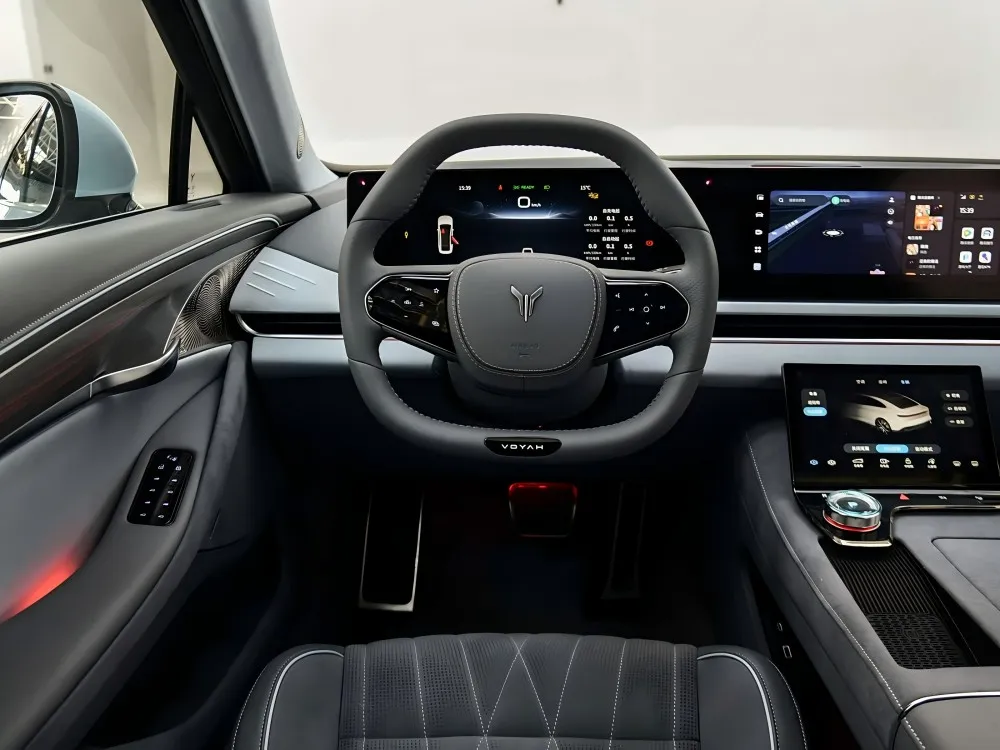
New Chinese Electric Vehicles (NCEVs) represent a rapidly evolving segment within the global automotive industry. These vehicles, produced by emerging manufacturers in China, are gaining prominence due to their competitive pricing, advanced technological features, and increasingly sophisticated battery technology. Unlike established automotive powers with decades of internal combustion engine (ICE) legacy, NCEVs are built from the ground up with a focus on electric powertrain integration. Their position in the industry chain is unique, circumventing traditional supply constraints and leveraging a robust domestic battery supply chain. Core performance characteristics center around battery energy density, charging infrastructure compatibility, and advanced driver-assistance systems (ADAS). This guide provides a comprehensive technical overview of NCEVs, examining their material science, manufacturing processes, performance parameters, potential failure modes, and relevant industry standards. A key industry pain point is navigating rapidly changing battery chemistries and ensuring long-term battery lifecycle performance within varying climatic conditions and usage profiles.
Material Science & Manufacturing
NCEV construction relies heavily on advanced materials. The battery pack, typically lithium-ion based (with increasing adoption of Lithium Iron Phosphate - LFP - and emerging solid-state technologies), utilizes cathode materials like Nickel Manganese Cobalt (NMC) or Lithium Iron Phosphate. Anode materials are generally graphite, but silicon composites are gaining traction for increased energy density. Electrolyte composition significantly impacts performance and safety, with ongoing research into solid-state electrolytes to mitigate thermal runaway risks. The vehicle body utilizes high-strength steel (HSS) and aluminum alloys to minimize weight and maximize structural integrity. Manufacturing processes for the battery pack involve cell formation, module assembly, and pack integration. Critical parameter control includes cell balancing, thermal management system (TMS) calibration, and stringent quality control procedures to prevent short circuits and ensure consistent performance. Vehicle body construction often employs robotic welding, adhesive bonding, and automated painting processes. Plastic components are primarily manufactured using injection molding, with polypropylene (PP) and acrylonitrile butadiene styrene (ABS) being common choices. Motor stators are often produced through automated winding processes, ensuring precise coil placement for optimal efficiency. The thermal management system relies on materials with high thermal conductivity, such as aluminum and specialized heat transfer fluids. Chemical compatibility between coolant, electrolytes, and other vehicle fluids is crucial to prevent corrosion and system failure.
Performance & Engineering
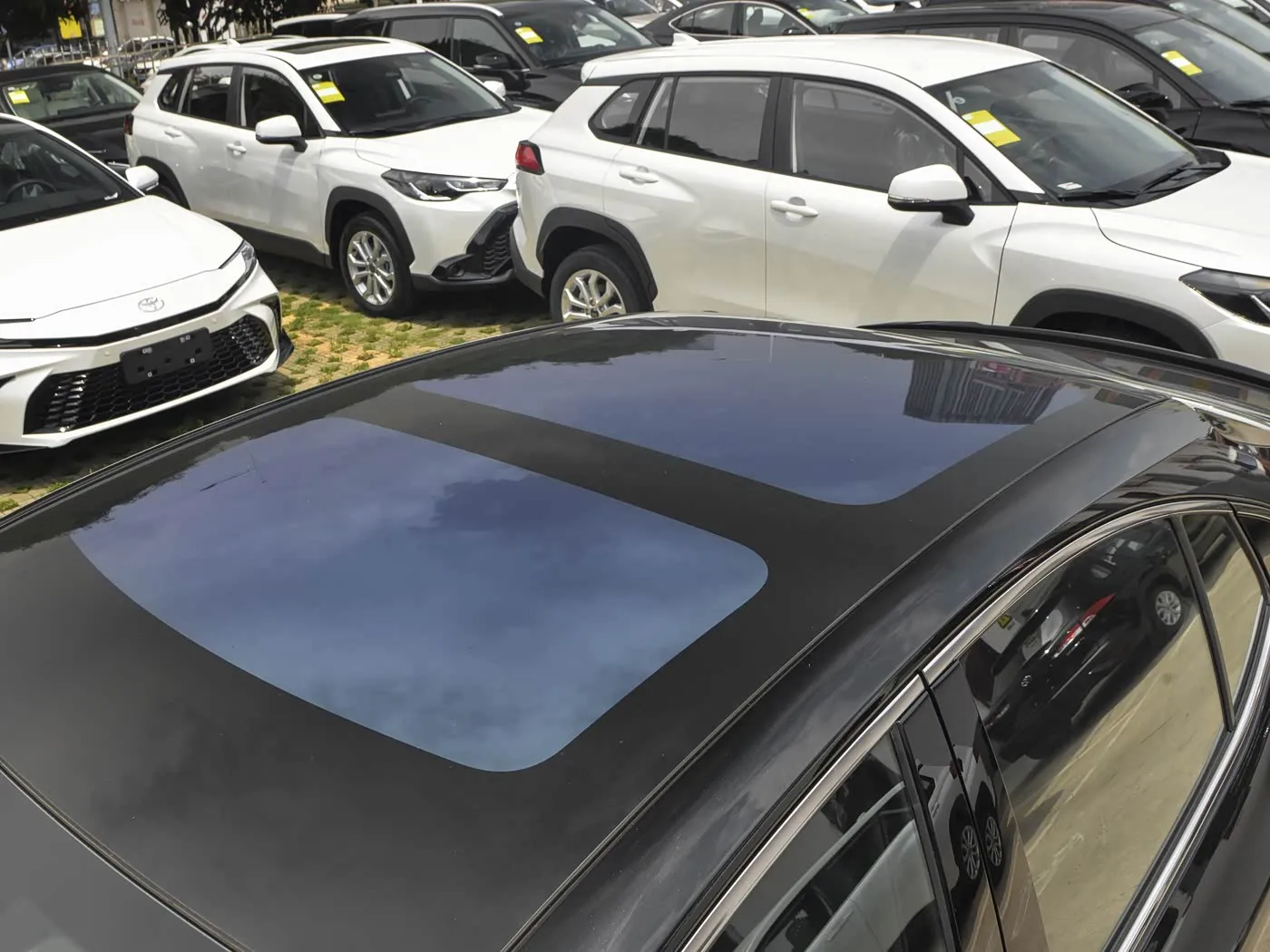
NCEV performance is heavily dictated by powertrain efficiency, battery capacity, and aerodynamic drag. Force analysis during acceleration and braking considers the combined weight of the vehicle, battery pack, and passengers. Regenerative braking systems recapture kinetic energy, enhancing efficiency and extending range. Environmental resistance is a critical factor, particularly concerning battery performance in extreme temperatures. Battery degradation rates accelerate in both hot and cold climates. Thermal management systems must maintain optimal battery temperature ranges for peak performance and longevity. Compliance requirements include adherence to national and international safety standards (e.g., UN ECE regulations, China’s GB standards). ADAS systems, such as adaptive cruise control and lane keeping assist, rely on sensor fusion and complex algorithms for accurate operation. Vehicle dynamics are optimized through careful suspension tuning, weight distribution, and tire selection. The structural integrity of the battery pack is paramount, requiring robust protection against impact and penetration. Crash testing must demonstrate compliance with stringent safety regulations, protecting both occupants and the battery pack from damage. The integration of power electronics, including inverters and DC-DC converters, demands efficient thermal dissipation to prevent overheating and component failure. Electromagnetic Compatibility (EMC) testing ensures minimal interference with other electronic systems.
Technical Specifications
| Battery Capacity (kWh) | Range (km - CLTC) | 0-100 km/h Acceleration (s) | Peak Power (kW) |
|---|---|---|---|
| 50 | 300 | 7.5 | 150 |
| 60 | 400 | 6.8 | 180 |
| 70 | 500 | 6.2 | 200 |
| 80 | 600 | 5.5 | 220 |
| 90 | 700 | 5.0 | 250 |
| 100 | 800 | 4.5 | 280 |
Failure Mode & Maintenance
NCEVs are susceptible to several failure modes. Battery degradation is inevitable, leading to reduced range and performance over time. Factors contributing to degradation include calendar aging, cycle aging, and extreme temperature exposure. Thermal runaway, a potentially hazardous condition, can occur due to internal short circuits within the battery pack. Corrosion of electrical connectors and wiring harnesses can lead to intermittent failures. Motor failures can stem from bearing wear, winding insulation breakdown, or inverter malfunctions. Suspension component wear, particularly in ball joints and bushings, is common in vehicles operating on rough road surfaces. Failure of the thermal management system can result in battery overheating or undercooling, accelerating degradation and potentially leading to thermal runaway. Delamination of battery cell components can lead to internal resistance increase and performance loss. Oxidation of electrical contacts can increase resistance and cause connection failures. Maintenance strategies include regular battery health checks, coolant level monitoring, and inspection of electrical connections. Software updates are crucial for optimizing battery management and ADAS functionality. Periodic inspection and replacement of brake pads and fluids are essential. Proper tire inflation and rotation maximize tire life and improve fuel efficiency. Proactive thermal management system maintenance, including filter replacements and leak checks, can prevent overheating issues.
Industry FAQ
Q: What are the primary differences in battery chemistry between NCEVs and established EV manufacturers?
A: While both utilize lithium-ion technology, NCEVs are increasingly adopting LFP chemistries due to their cost-effectiveness, improved thermal stability, and longer cycle life. Established manufacturers often prioritize NMC chemistries for higher energy density, but at a higher cost and with increased safety concerns. The rapid advancement of solid-state battery technology is also being pursued more aggressively by NCEV companies.
Q: How do NCEVs address concerns regarding charging infrastructure availability?
A: NCEV manufacturers are actively investing in expanding charging infrastructure networks within China, often in partnership with energy companies and government entities. They are also developing vehicles compatible with a wider range of charging standards, including both AC and DC fast charging. Battery swapping technology is gaining traction as an alternative to traditional charging.
Q: What is the typical warranty offered on NCEV battery packs?
A: Most NCEV manufacturers offer an 8-year/160,000 km warranty on the battery pack, covering degradation below a specified capacity threshold (typically 70-80%). Some manufacturers offer extended warranties or performance guarantees.
Q: How do NCEVs perform in cold weather conditions?
A: Cold weather significantly impacts battery performance, reducing range and increasing charging times. NCEVs utilize sophisticated thermal management systems to pre-heat the battery pack and maintain optimal operating temperatures. However, range reduction of 20-40% in extreme cold is still common.
Q: What are the key quality control measures employed during NCEV manufacturing?
A: NCEV manufacturers are implementing stringent quality control measures, including automated testing, statistical process control, and rigorous component inspection. They are also investing in advanced manufacturing technologies to improve precision and reliability. However, quality control consistency remains a challenge for some emerging brands.
Conclusion
New Chinese Electric Vehicles represent a disruptive force in the automotive landscape, driven by technological innovation, competitive pricing, and a robust domestic supply chain. Their unique approach to battery technology, manufacturing processes, and vehicle integration positions them as a significant player in the global EV market. Understanding the material science, performance characteristics, and potential failure modes of NCEVs is crucial for informed decision-making by consumers, fleet operators, and industry professionals.
Future developments in NCEV technology will likely focus on improving battery energy density, reducing charging times, and enhancing ADAS capabilities. Continued investment in charging infrastructure and standardization of charging protocols will be critical for widespread adoption. Addressing concerns regarding quality control and long-term reliability will be essential for building consumer trust and establishing a sustainable competitive advantage.