
Apr . 01, 2024 17:55 Back to list
New Car China Performance Engineering
Introduction
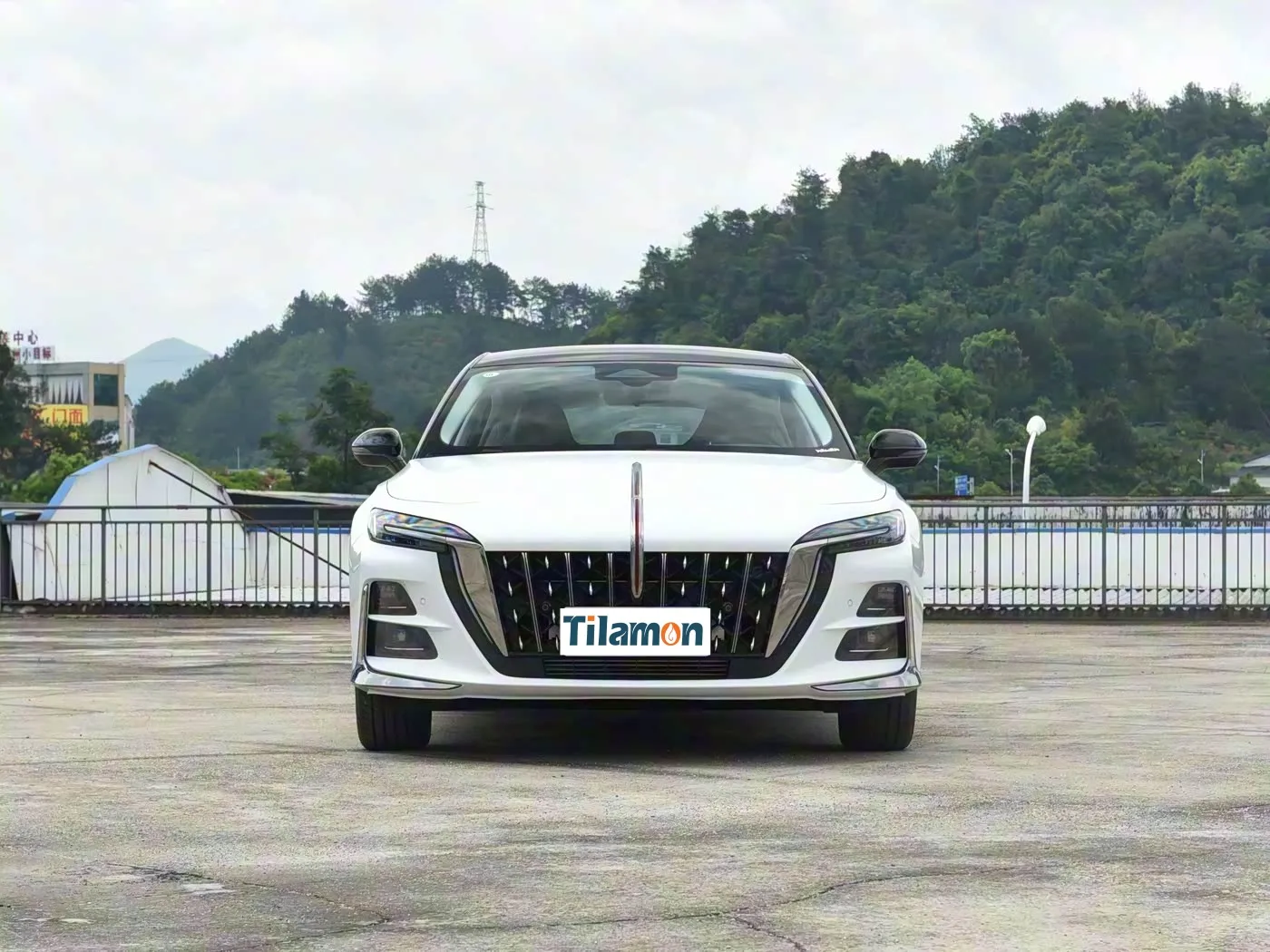
The automotive manufacturing sector in China represents a global epicenter of innovation and production. "New Car China" is not a specific model, but rather a descriptor encompassing the rapid evolution and increasing sophistication of the Chinese automotive industry. This industry chain extends from raw material sourcing (steel, aluminum, polymers, rare earth minerals for electric motors and batteries) through component manufacturing (engines, transmissions, electronics, interior components), vehicle assembly, and ultimately, sales and after-market service. Core performance metrics increasingly center around fuel efficiency, emissions reduction (particularly for internal combustion engine vehicles – ICE), battery range and charging infrastructure (for Battery Electric Vehicles – BEV), advanced driver-assistance systems (ADAS), and vehicle safety. The competitive landscape is fierce, with domestic manufacturers (BYD, Geely, Great Wall Motors) aggressively challenging established international brands. A key industry pain point is navigating fluctuating raw material costs, stringent government regulations regarding emissions and safety standards, and the constant pressure to innovate in the rapidly evolving electric vehicle segment. The sector's growth is deeply intertwined with China’s vast domestic market and its increasing global export ambitions.
Material Science & Manufacturing
The materials utilized in “New Car China” production span a broad spectrum. High-strength low-alloy (HSLA) steels are prevalent in the chassis and body-in-white (BIW) construction, providing a balance of formability, weldability, and crash performance. Advanced High-Strength Steels (AHSS), including Dual-Phase (DP) and Martensitic (MS) steels, are increasingly adopted for enhanced safety. Aluminum alloys are utilized for body panels, engine components, and suspension parts, aiming to reduce vehicle weight. Polymeric materials, including polypropylene (PP), acrylonitrile butadiene styrene (ABS), and polycarbonate (PC), are critical for interior components, dashboards, and exterior trim. Battery Electric Vehicle (BEV) production necessitates materials like lithium, nickel, manganese, cobalt (for battery cathodes), graphite (for battery anodes), and electrolyte materials. Manufacturing processes are diverse. BIW assembly predominantly utilizes robotic spot welding, laser welding, and adhesive bonding. Injection molding is fundamental for plastic component fabrication. Powder metallurgy is employed for manufacturing complex engine and transmission parts. Painting processes utilize multi-layer systems including electro-coating, primer, basecoat, and clearcoat, requiring precise control of coating thickness, adhesion, and corrosion resistance. Key parameter control involves maintaining precise steel alloy compositions, consistent polymer melt flow indices, accurate welding parameters (current, voltage, time), and strict control of paint viscosity and curing temperatures. Failure to control these parameters can lead to weld defects, plastic cracking, paint blemishes, and reduced structural integrity.
Performance & Engineering
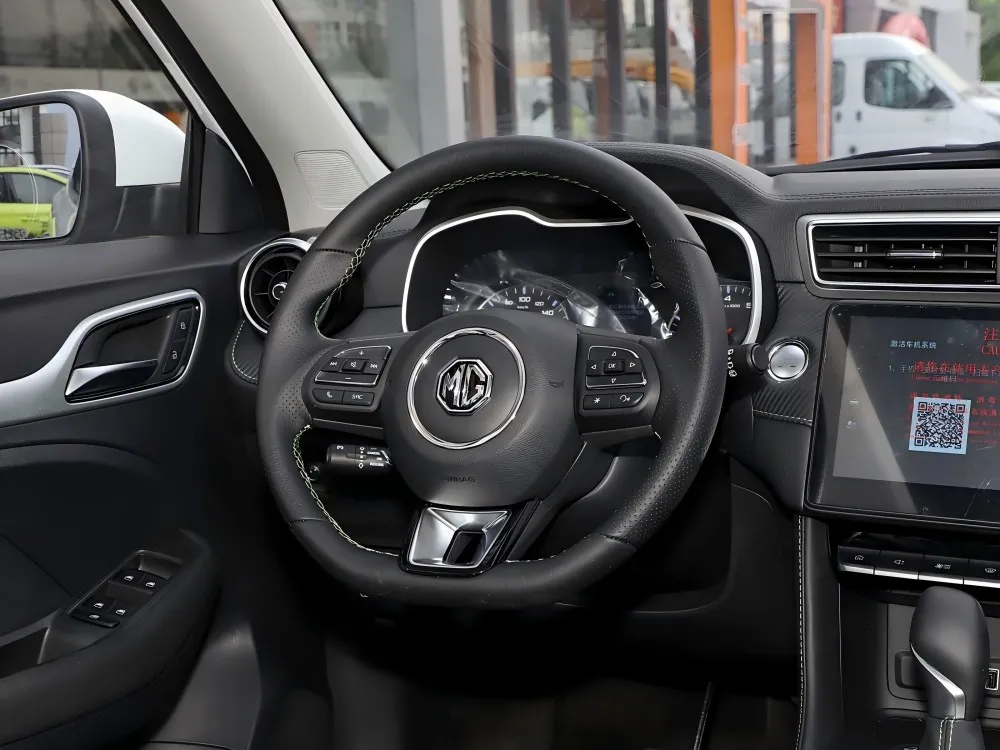
Performance engineering in the context of “New Car China” encompasses several crucial areas. Structural integrity is assessed through Finite Element Analysis (FEA) to optimize chassis stiffness and crashworthiness, meeting or exceeding stringent safety standards (NCAP ratings). Powertrain engineering focuses on maximizing fuel efficiency (for ICE vehicles) or battery range (for BEVs). Computational Fluid Dynamics (CFD) is employed to optimize aerodynamic performance, reducing drag and improving stability. Thermal management systems are critical, particularly for BEVs, to maintain optimal battery temperature for performance and longevity. Advanced Driver-Assistance Systems (ADAS) rely on sensor fusion (radar, lidar, cameras) and complex algorithms for features like adaptive cruise control, lane keeping assist, and automatic emergency braking. Compliance requirements are rigorous, adhering to national standards (GB standards) and increasingly aligning with international regulations (Euro standards for emissions, UN regulations for safety). Specifically, electric vehicles must meet GB/T 32960 standards for battery safety and GB/T 30781 for electric vehicle conductive charging. Force analysis, including stress-strain relationships of materials under load, is integral to component design. Environmental resistance testing, including salt spray testing, UV exposure, and thermal cycling, assesses durability in harsh conditions. Vehicle dynamics testing evaluates handling, braking, and ride comfort.
Technical Specifications
| Parameter | ICE Vehicle (Typical) | BEV Vehicle (Typical) | Units |
|---|---|---|---|
| Curb Weight | 1400 | 1800 | kg |
| Engine Displacement/Battery Capacity | 1.5L / 2.0L | 60 kWh / 80 kWh | - |
| Maximum Power | 110 kW / 150 kW | 150 kW / 200 kW | kW |
| Fuel Consumption/Range | 6.0 L/100km | 400 km / 500 km | - |
| 0-100 km/h Acceleration | 9.5 s / 7.8 s | 8.0 s / 6.5 s | s |
| Drag Coefficient (Cd) | 0.30 - 0.35 | 0.25 - 0.30 | - |
Failure Mode & Maintenance
Failure modes in “New Car China” vehicles are analogous to those experienced globally but with specific nuances based on operating conditions and material choices. For ICE vehicles, common failures include engine wear (piston ring wear, bearing failure), transmission issues (gear tooth fracture, clutch wear), and corrosion of exhaust systems. For BEVs, battery degradation is a primary concern, manifesting as reduced capacity and range. Battery Management System (BMS) failures can also occur, leading to overcharge/discharge scenarios and thermal runaway. Corrosion of high-voltage connectors is another potential failure point. Body panel corrosion, particularly in coastal regions, remains a challenge. Fatigue cracking in suspension components can occur due to repeated stress cycles. Delamination of paint layers can result from poor surface preparation or exposure to UV radiation. Oxidation of electrical contacts can lead to intermittent electrical faults. Preventive maintenance is crucial. For ICE vehicles, this includes regular oil changes, filter replacements, spark plug replacement, and coolant flushes. For BEVs, maintenance focuses on battery health monitoring, coolant checks (for thermal management systems), and inspection of high-voltage cabling. Regular inspection for corrosion and application of protective coatings is essential in all vehicle types. Diagnostic tools, including On-Board Diagnostics (OBD) systems and specialized EV diagnostic equipment, are critical for identifying and addressing potential issues.
Industry FAQ
Q: What are the key challenges in ensuring the long-term reliability of lithium-ion batteries in Chinese EVs?
A: The key challenges revolve around thermal management, cell degradation mechanisms, and supply chain security for raw materials. Maintaining optimal battery temperature is critical to prevent accelerated degradation. Degradation mechanisms, such as lithium plating and electrolyte decomposition, must be mitigated through advanced BMS algorithms and cell chemistry innovations. Securing a stable supply of high-quality lithium, nickel, and cobalt is also crucial, given geopolitical factors and fluctuating commodity prices.
Q: How do Chinese automotive manufacturers address the increasing demand for lightweight materials?
A: They are aggressively adopting aluminum alloys, high-strength steels (AHSS), and composite materials (carbon fiber reinforced polymers – CFRP) in body structures and closures. Advanced joining techniques, such as adhesive bonding and self-piercing rivets, are being used to connect dissimilar materials. Furthermore, topology optimization techniques are employed during the design phase to minimize material usage while maintaining structural integrity.
Q: What is the role of ADAS in improving vehicle safety in the Chinese market?
A: ADAS features are becoming increasingly prevalent in Chinese vehicles, driven by both consumer demand and government regulations. Features like Automatic Emergency Braking (AEB), Lane Departure Warning (LDW), and Adaptive Cruise Control (ACC) are significantly reducing accident rates. The rapidly expanding availability of advanced sensor technologies (radar, lidar, cameras) and AI-powered algorithms is accelerating the deployment of more sophisticated ADAS functionalities.
Q: How are Chinese automakers complying with increasingly stringent emission standards?
A: A multi-pronged approach is being utilized. This includes developing more efficient ICE engines, implementing advanced exhaust after-treatment systems (catalytic converters, particulate filters), and accelerating the transition to electric vehicles (BEVs and Plug-in Hybrid Electric Vehicles – PHEVs). Furthermore, automakers are investing in alternative fuel technologies, such as hydrogen fuel cells.
Q: What are the primary differences in quality control processes between Chinese and established Western automotive manufacturers?
A: Historically, quality control processes in China lagged behind Western standards. However, significant investments in process automation, statistical process control (SPC), and Six Sigma methodologies have narrowed the gap. Chinese manufacturers are increasingly adopting a more data-driven approach to quality control, leveraging real-time monitoring and predictive analytics to identify and address potential issues proactively. Furthermore, they are strengthening supplier quality management systems to ensure consistent component quality.
Conclusion
The “New Car China” landscape represents a dynamic and rapidly evolving sector characterized by intense competition, technological innovation, and a strong focus on sustainability. The industry’s success hinges on its ability to master advanced materials science, optimize manufacturing processes, and integrate cutting-edge technologies, particularly in the electric vehicle and autonomous driving domains. Navigating the complex regulatory environment and maintaining consistently high quality standards are paramount to achieving long-term growth and global competitiveness.
Looking ahead, the industry will likely see increased consolidation, with stronger players emerging as leaders. Greater emphasis will be placed on developing a robust charging infrastructure to support the widespread adoption of BEVs. Continued innovation in battery technology, particularly in the areas of energy density, charging speed, and safety, will be crucial. Furthermore, the integration of artificial intelligence and data analytics throughout the entire automotive value chain will unlock new opportunities for efficiency, personalization, and enhanced vehicle performance.