
Apr . 01, 2024 17:55 Back to list
large electric suv Performance Analysis
Introduction
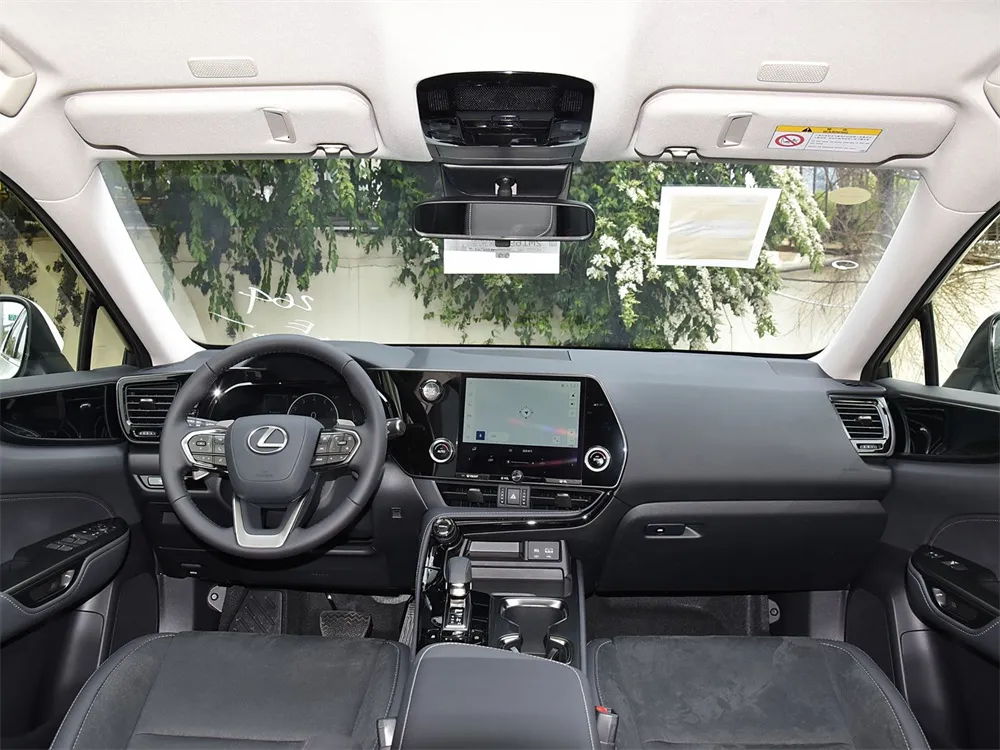
Large Electric Sport Utility Vehicles (eSUVs) represent a significant evolution in automotive engineering, merging the practicality and spaciousness of traditional SUVs with the efficiency and reduced emissions of electric powertrains. Positioned within the automotive industry's shift towards electrification, the large eSUV occupies a critical space, targeting consumers prioritizing range, passenger capacity, and towing capability. These vehicles employ advanced battery technology, sophisticated motor control systems, and regenerative braking to achieve competitive performance metrics. Core performance characteristics center around battery capacity (typically exceeding 100 kWh), range (targeting 300+ miles), acceleration (0-60 mph in under 5 seconds for performance variants), and charging infrastructure compatibility (DC fast charging and Level 2 AC charging). The growing adoption of large eSUVs is driven by increasingly stringent emissions regulations, government incentives, and a broadening consumer awareness of the environmental benefits of electric vehicles. This guide provides a detailed technical overview of these vehicles, encompassing materials science, manufacturing processes, performance engineering, potential failure modes, and relevant industry standards.
Material Science & Manufacturing
The construction of a large eSUV leverages a diverse range of materials, significantly different from traditional internal combustion engine (ICE) vehicles. The body-in-white utilizes high-strength steel (HSS) and aluminum alloys to maximize crash safety while minimizing weight. Advanced High-Strength Steel (AHSS) grades, specifically Dual-Phase (DP) and Transformation-Induced Plasticity (TRIP) steels, provide superior formability and impact resistance. Aluminum alloys (e.g., 6061, 7075) are employed in structural components like the chassis and suspension arms, contributing to weight reduction. Battery pack construction relies heavily on lithium-ion battery cells, typically utilizing Nickel Manganese Cobalt (NMC) or Nickel Cobalt Aluminum (NCA) chemistries, encased in robust thermal management systems incorporating aluminum housings and polymer separators. Manufacturing processes include robotic welding of the chassis, adhesive bonding for multi-material joining, and automated assembly of the battery pack. Critical parameter control during battery cell manufacturing centers on electrolyte purity, electrode uniformity, and separator thickness. Injection molding of plastic components (interior trim, exterior panels) requires precise temperature control and mold design to ensure dimensional accuracy and surface finish. The manufacturing of electric motors involves precision winding of copper wire, rotor balancing, and stator encapsulation with epoxy resins. Quality control throughout these processes relies on non-destructive testing (NDT) methods like ultrasonic inspection and X-ray radiography to identify defects. The tires utilize specialized rubber compounds optimized for low rolling resistance to improve efficiency, requiring careful control of polymer composition and filler loading.
Performance & Engineering
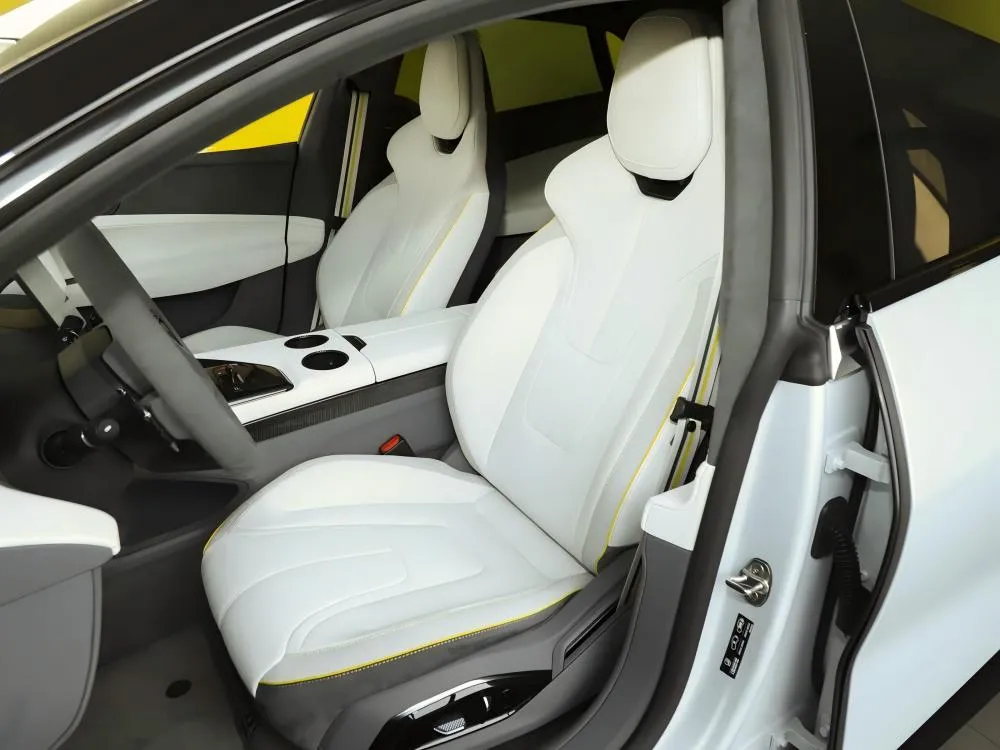
The performance of a large eSUV is governed by a complex interplay of factors, including motor efficiency, battery capacity, vehicle weight, and aerodynamic drag. Force analysis during braking considers regenerative braking forces, friction braking forces, and aerodynamic drag. Regenerative braking systems, utilizing the electric motor as a generator, convert kinetic energy back into electrical energy, increasing efficiency. Environmental resistance is addressed through rigorous testing for corrosion (salt spray testing), UV degradation (accelerated weathering tests), and thermal cycling. Compliance requirements encompass Federal Motor Vehicle Safety Standards (FMVSS) in the US, European Whole Vehicle Type Approval (EWVTA), and China’s GB standards. Functional implementation of the electric powertrain involves sophisticated motor control algorithms (Field-Oriented Control – FOC, Model Predictive Control – MPC) to optimize torque output and efficiency. Thermal management systems are crucial for maintaining optimal battery temperature, preventing overheating during fast charging or high-discharge operation, and ensuring consistent performance in extreme climates. Battery cooling often employs liquid cooling circuits utilizing a coolant mixture (typically glycol-water) circulated through cooling plates integrated into the battery pack. Structural integrity is maintained through Finite Element Analysis (FEA) to optimize component designs and predict stress concentrations under various load conditions. Aerodynamic performance is improved through computational fluid dynamics (CFD) simulations, optimizing body shape and incorporating aerodynamic features such as underbody panels and active grille shutters.
Technical Specifications
| Parameter | Unit | Typical Value (Base Model) | Typical Value (Performance Model) |
|---|---|---|---|
| Battery Capacity | kWh | 100 | 120 |
| Range (EPA Estimated) | Miles | 320 | 300 (due to increased performance) |
| 0-60 mph Acceleration | Seconds | 6.5 | 4.5 |
| Peak Motor Power | hp | 300 | 500 |
| DC Fast Charging Rate | kW | 150 | 250 |
| Curb Weight | lbs | 5500 | 5800 |
Failure Mode & Maintenance
Large eSUVs are subject to specific failure modes related to their electric powertrain and advanced materials. Battery degradation is a primary concern, leading to reduced range and performance over time. This is influenced by factors like charging habits (frequent DC fast charging accelerates degradation), temperature exposure (extreme heat or cold), and cycle count. Fatigue cracking in suspension components, particularly aluminum alloy control arms, can occur due to prolonged stress and corrosion. Delamination of battery cell layers can result from thermal cycling and mechanical stress, leading to internal short circuits and potential thermal runaway. Degradation of cooling system components (pumps, radiators, hoses) reduces thermal management efficiency, leading to battery overheating. Oxidation of copper windings in the electric motor reduces conductivity and increases resistance. Maintenance solutions include regular battery health checks (State of Health – SOH), coolant flushes, suspension inspections, and motor insulation testing. Preventative maintenance should include periodic inspection of high-voltage cables and connectors for signs of damage or corrosion. Software updates are crucial for optimizing battery management systems and motor control algorithms. For battery failures, safe handling and disposal are paramount, adhering to stringent environmental regulations. Monitoring of the battery management system (BMS) data is critical for early detection of anomalies and potential failures.
Industry FAQ
Q: What is the expected lifespan of a large eSUV battery pack?
A: The expected lifespan of a large eSUV battery pack is typically 8-10 years or 100,000-150,000 miles, depending on usage patterns and environmental conditions. Battery warranties generally cover 8 years/100,000 miles, guaranteeing a minimum capacity retention (typically 70-80%). However, with proper care and optimized charging habits, the battery can potentially last longer.
Q: How does cold weather affect the range of a large eSUV?
A: Cold weather significantly reduces the range of a large eSUV due to increased internal resistance within the battery and the energy required to heat the cabin. Range reduction can be as high as 30-40% in extreme cold. Pre-conditioning the battery while plugged in and utilizing seat heaters instead of the full cabin heating system can mitigate this effect.
Q: What are the key differences between NMC and NCA battery chemistries?
A: NMC (Nickel Manganese Cobalt) batteries offer a good balance of energy density, power, and safety. They are more tolerant to abuse and have a slightly longer cycle life. NCA (Nickel Cobalt Aluminum) batteries offer higher energy density, leading to longer range, but are generally more sensitive to temperature fluctuations and require more sophisticated thermal management.
Q: What safety features are incorporated into large eSUV battery packs?
A: Large eSUV battery packs incorporate multiple safety features, including cell-level fuses, module-level monitoring, a robust Battery Management System (BMS), and thermal runaway protection mechanisms. The BMS constantly monitors cell voltage, current, and temperature, and can disconnect the battery in case of an anomaly. Battery packs are also designed with crash protection structures to prevent physical damage during collisions.
Q: How does DC fast charging affect battery longevity?
A: While DC fast charging is convenient, frequent use can accelerate battery degradation due to the increased heat generated during the process. It is recommended to limit DC fast charging to when necessary and to utilize Level 2 AC charging for routine charging to maximize battery lifespan.
Conclusion
Large electric SUVs represent a pivotal advancement in automotive technology, offering a compelling alternative to traditional ICE vehicles. Their sophisticated construction, utilizing advanced materials and complex engineering, delivers a unique combination of performance, efficiency, and environmental responsibility. Understanding the nuances of battery technology, thermal management, and potential failure modes is crucial for both manufacturers and consumers.
Continued innovation in battery chemistry, charging infrastructure, and vehicle design will further enhance the capabilities and appeal of large eSUVs. As regulatory pressures intensify and consumer demand for sustainable transportation grows, the large eSUV is poised to play an increasingly significant role in shaping the future of the automotive industry, driving towards a more electrified and environmentally conscious transportation landscape.