
Apr . 01, 2024 17:55 Back to list
hybrid electric suvs Performance Engineering
Introduction
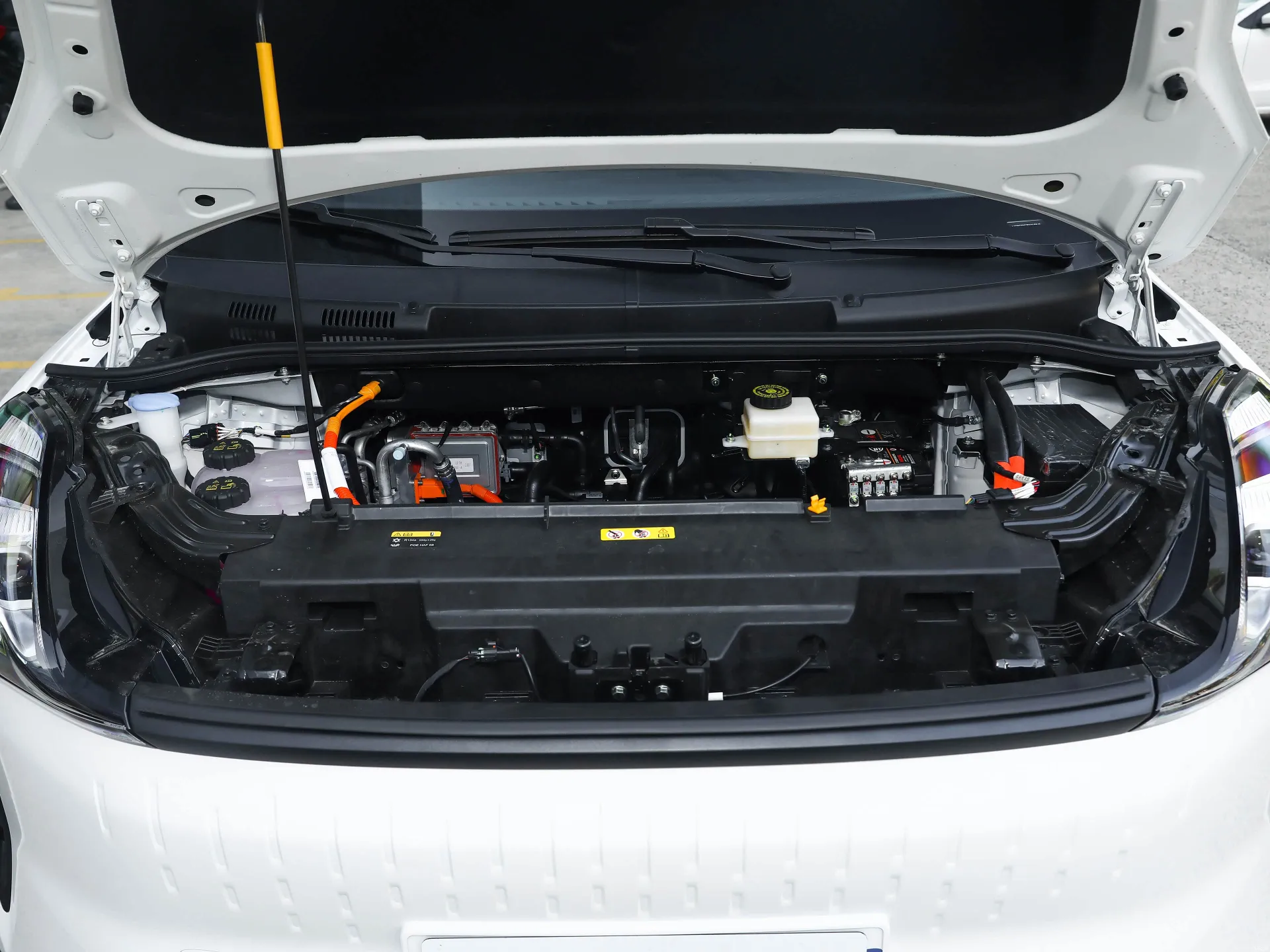
Hybrid Electric SUVs represent a significant confluence of internal combustion engine (ICE) technology and electric propulsion, positioned within the automotive industry as a transitional powertrain solution addressing evolving emissions regulations and consumer demand for improved fuel efficiency. These vehicles utilize a combination of an ICE – typically gasoline – and one or more electric motors, coupled with a battery pack for energy storage. The architecture ranges from parallel hybrids, where both the engine and motor can directly drive the wheels, to series hybrids, where the engine acts solely as a generator, and power-split hybrids employing a planetary gearset to optimally distribute power. Core performance characteristics center around fuel economy gains (typically 30-50% improvement over comparable ICE vehicles), reduced tailpipe emissions, and regenerative braking capabilities which recapture energy during deceleration. Hybrid SUVs occupy a crucial position in the automotive value chain, bridging the gap between traditional vehicles and fully electric vehicles, and are subject to stringent regulatory oversight regarding emissions and safety standards.
Material Science & Manufacturing
The materials science underpinning hybrid electric SUV construction is complex, requiring lightweighting strategies to offset the added mass of the battery pack and electric motors. High-Strength Low-Alloy (HSLA) steels are extensively used in the chassis and body-in-white structures to maximize strength-to-weight ratio. Aluminum alloys are employed in body panels, suspension components, and increasingly, within the powertrain housing to reduce weight and improve thermal management. The battery pack itself typically utilizes Lithium-ion (Li-ion) chemistry, with cathode materials such as Nickel Manganese Cobalt (NMC) or Lithium Iron Phosphate (LFP) dictating energy density, lifespan, and thermal stability. Manufacturing processes are highly automated, utilizing robotic welding for chassis assembly, and precision machining for engine and motor components. Injection molding is prevalent in the production of plastic interior and exterior parts. Battery pack assembly is a critical process, involving cell formation, module assembly, and pack integration, all requiring stringent quality control and testing to ensure electrical safety and performance. Thermal management systems utilize specialized coolants and heat exchangers to regulate battery temperature, crucial for optimizing performance and longevity. The electric motor stators are typically manufactured using automated winding processes, and rotor construction involves precise magnetic material selection and balancing.
Performance & Engineering
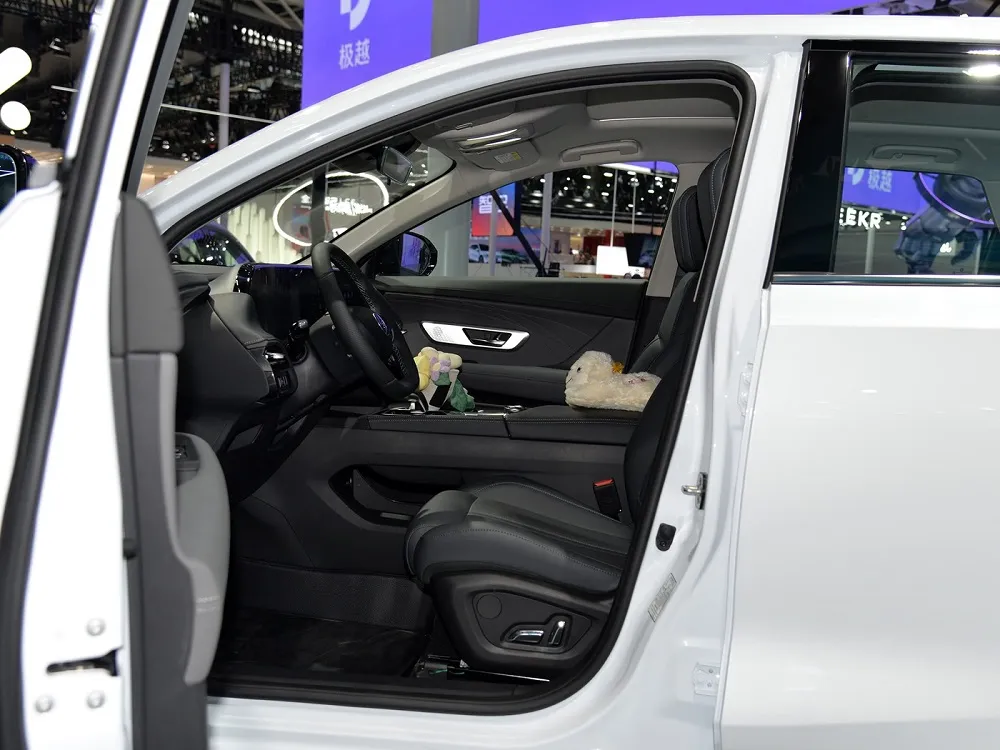
Performance engineering in hybrid electric SUVs centers on optimizing the interplay between the ICE and electric motor(s) to achieve maximum efficiency and performance. Force analysis during acceleration and braking is critical, considering the regenerative braking system's ability to recapture kinetic energy and convert it back into electrical energy stored in the battery. Environmental resistance is paramount, demanding robust corrosion protection for the chassis and body components, particularly in regions with harsh climates. The battery pack and associated high-voltage systems must be rigorously tested for ingress protection (IP) against dust and water. Compliance requirements are extensive, encompassing crash safety standards (e.g., IIHS, Euro NCAP), emissions regulations (e.g., EPA, Euro 6), and electrical safety standards (e.g., ISO 26262 for functional safety). Functional implementation details include sophisticated power control modules (PCMs) that manage energy flow between the engine, motor(s), and battery, and advanced thermal management systems to maintain optimal operating temperatures. The integration of these systems requires meticulous calibration and validation to ensure seamless operation and optimal performance across a range of driving conditions. NVH (Noise, Vibration, and Harshness) engineering is particularly important to mitigate noise from the ICE and electric motor, delivering a refined driving experience.
Technical Specifications
| Parameter | Compact Hybrid SUV (Typical) | Mid-Size Hybrid SUV (Typical) | Large Hybrid SUV (Typical) | Plug-in Hybrid SUV (Typical) |
|---|---|---|---|---|
| Battery Capacity (kWh) | 1.4 - 2.0 | 2.0 - 3.0 | 3.0 - 4.0 | 10.0 - 20.0 |
| Combined Fuel Economy (MPG) | 35 - 45 | 30 - 40 | 25 - 35 | 40 - 50 (Electric Range: 20-50 miles) |
| System Horsepower | 180 - 220 | 220 - 280 | 280 - 350 | 260 - 350+ |
| 0-60 mph (seconds) | 7.5 - 9.0 | 7.0 - 8.5 | 6.5 - 8.0 | 6.0 - 7.5 |
| Curb Weight (lbs) | 3500 - 4000 | 4000 - 4500 | 4500 - 5500 | 4200 - 5000 |
| Voltage (V) | 230 - 324 | 230 - 324 | 230 - 324 | 324 - 400 |
Failure Mode & Maintenance
Hybrid electric SUVs exhibit unique failure modes compared to conventional ICE vehicles. Battery degradation is a primary concern, leading to reduced range and performance over time. This degradation is accelerated by extreme temperatures, frequent deep discharges, and improper charging practices. High-voltage inverter failure can occur due to overheating or component failure, resulting in a loss of electric propulsion. The regenerative braking system can experience issues with sensor calibration or motor/generator faults, reducing braking efficiency. Cooling system failures, specifically related to the battery thermal management system, can lead to overheating and potential battery damage. Fatigue cracking can occur in high-stress components of the chassis and suspension due to the increased weight of the hybrid powertrain. Maintenance procedures should include regular battery health checks, coolant flushes, inspection of high-voltage wiring and connectors, and calibration of the regenerative braking system. Preventative maintenance is crucial for extending the lifespan of the battery and other critical components. Proper diagnostic tools and trained technicians are essential for accurately diagnosing and repairing hybrid system issues. Oxidation of electrical contacts is a common failure point requiring periodic cleaning and reapplication of dielectric grease.
Industry FAQ
Q: What are the primary differences in maintenance requirements between a hybrid SUV and a conventional gasoline-powered SUV?
A: Hybrid SUVs require specialized maintenance related to the high-voltage battery, electric motors, and regenerative braking system. While routine maintenance items like oil changes and brake pad replacements are similar, hybrid systems necessitate coolant flushes specifically for the battery thermal management system, inspection of high-voltage wiring for degradation, and diagnostics of the hybrid control system. Conventional gasoline vehicles lack these components and associated maintenance procedures.
Q: How does the battery degradation affect the overall performance and value of a hybrid SUV?
A: Battery degradation leads to a reduction in the electric-only range and overall fuel efficiency of a hybrid SUV. As the battery capacity decreases, the vehicle relies more heavily on the ICE, diminishing the benefits of hybrid technology. This degradation impacts the resale value, as potential buyers will factor in the remaining battery life and potential replacement cost.
Q: What safety precautions should be taken when servicing a hybrid electric SUV?
A: Servicing hybrid electric SUVs requires strict adherence to safety protocols due to the presence of high-voltage components. Technicians must be properly trained and certified to work on hybrid systems. De-energizing the high-voltage system is paramount before any work is performed. Appropriate personal protective equipment (PPE), including insulated gloves and tools, must be used. Following the manufacturer’s service manual is critical.
Q: What are the common causes of failure in the regenerative braking system of a hybrid SUV?
A: Common failure points in the regenerative braking system include sensor inaccuracies, motor/generator faults, and issues with the control module. Contamination of brake components can also hinder regenerative braking performance. Regular inspection and calibration of the system are essential to ensure optimal operation and prevent premature wear of brake pads.
Q: What is the expected lifespan of a hybrid SUV battery pack, and what factors influence it?
A: The expected lifespan of a hybrid SUV battery pack typically ranges from 8 to 10 years, or 100,000 to 150,000 miles. However, several factors can influence this lifespan, including driving habits (frequent hard acceleration/deceleration), climate (extreme heat or cold), charging patterns (frequent deep discharges), and battery management system (BMS) effectiveness.
Conclusion
Hybrid Electric SUVs represent a sophisticated integration of ICE and electric powertrain technologies, offering a pragmatic pathway towards improved fuel efficiency and reduced emissions. Their success hinges on advancements in battery technology, efficient thermal management systems, and robust control algorithms. The materials science employed in their construction demands a balance between lightweighting, durability, and cost-effectiveness.
Looking ahead, the continued development of more energy-dense and affordable battery technologies, coupled with improvements in electric motor efficiency, will further enhance the performance and appeal of hybrid SUVs. Furthermore, standardized charging infrastructure and enhanced recycling processes for battery packs are crucial for the long-term sustainability of this technology. The hybrid SUV, therefore, remains a vital component of the automotive landscape during the transition to fully electrified transportation.