
Apr . 01, 2024 17:55 Back to list
brand new car Performance Analysis
Introduction
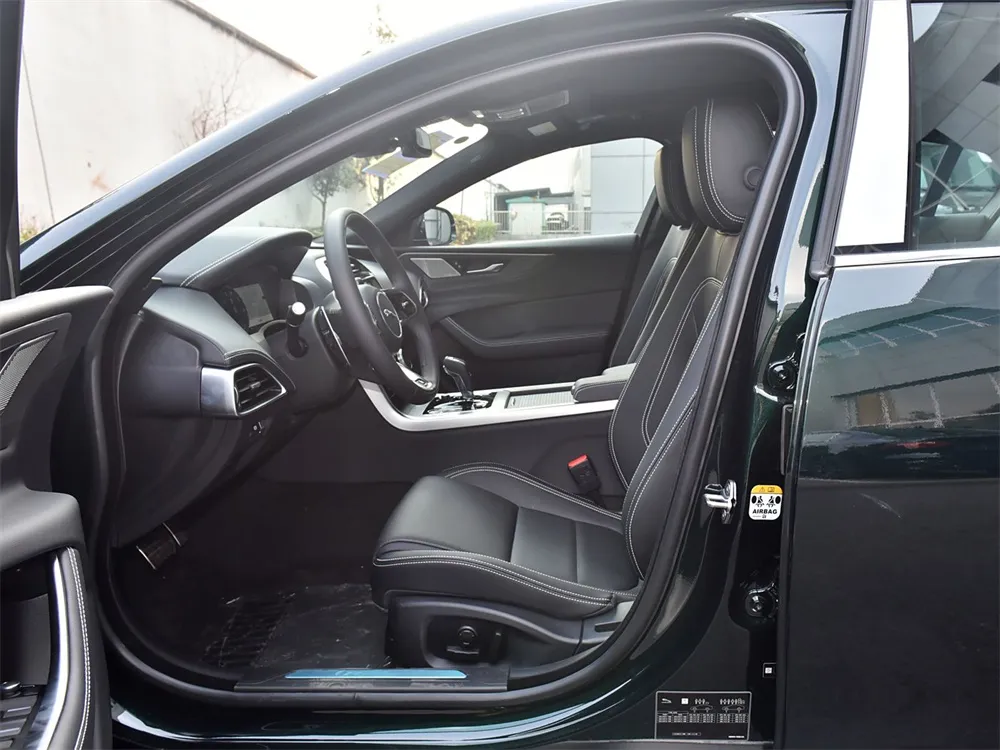
The modern automobile represents a complex integration of engineering disciplines, materials science, and manufacturing processes. Positioned as a critical component of global transportation infrastructure, the new car functions as a personal mobility solution subject to stringent safety, emissions, and performance regulations. This technical guide will dissect the key aspects of a brand new car, from material composition and fabrication techniques to performance characteristics, potential failure modes, and relevant industry standards. Core performance parameters include fuel efficiency (or energy consumption in electric vehicles), passenger safety as measured by crash test ratings, reliability measured by mean time between failures (MTBF), and adherence to increasingly strict environmental mandates regarding exhaust emissions and end-of-life recyclability. A significant industry pain point revolves around balancing cost optimization with the need for increasingly lightweight materials and sophisticated safety features, coupled with navigating the complexities of global supply chains and rapidly evolving regulatory landscapes. The advancement of autonomous driving systems adds another layer of complexity, demanding robust sensor integration, advanced software algorithms, and fail-safe mechanisms.
Material Science & Manufacturing
The construction of a brand new car relies on a diverse range of materials, each selected for specific performance characteristics. High-strength low-alloy (HSLA) steel comprises a significant portion of the chassis and body-in-white, offering a balance of strength, formability, and cost-effectiveness. Aluminum alloys are increasingly utilized for body panels, engine components, and suspension parts to reduce weight and improve fuel efficiency. Polymeric materials, including polypropylene (PP), acrylonitrile butadiene styrene (ABS), and polycarbonate (PC), are extensively used for interior components, dashboards, and exterior trim due to their lightweight nature, moldability, and aesthetic versatility. Manufacturing processes vary significantly. The body-in-white is typically assembled via robotic welding, employing resistance spot welding (RSW), gas metal arc welding (GMAW), and laser welding techniques. Precise control of welding parameters – current, voltage, electrode force, and welding speed – is crucial to ensure weld integrity and prevent distortion. Engine blocks are often cast from aluminum alloys using a die-casting process, requiring precise temperature control and mold design to achieve desired dimensional accuracy and mechanical properties. Plastic components are predominantly produced through injection molding, where molten polymer is injected into a mold cavity under high pressure. Critical parameters include melt temperature, injection pressure, cooling rate, and mold temperature. Paint application involves multiple layers – primer, base coat, and clear coat – applied using electrostatic spraying techniques to ensure uniform coverage and corrosion resistance. Paint curing necessitates controlled temperature and humidity to achieve optimal film properties.
Performance & Engineering
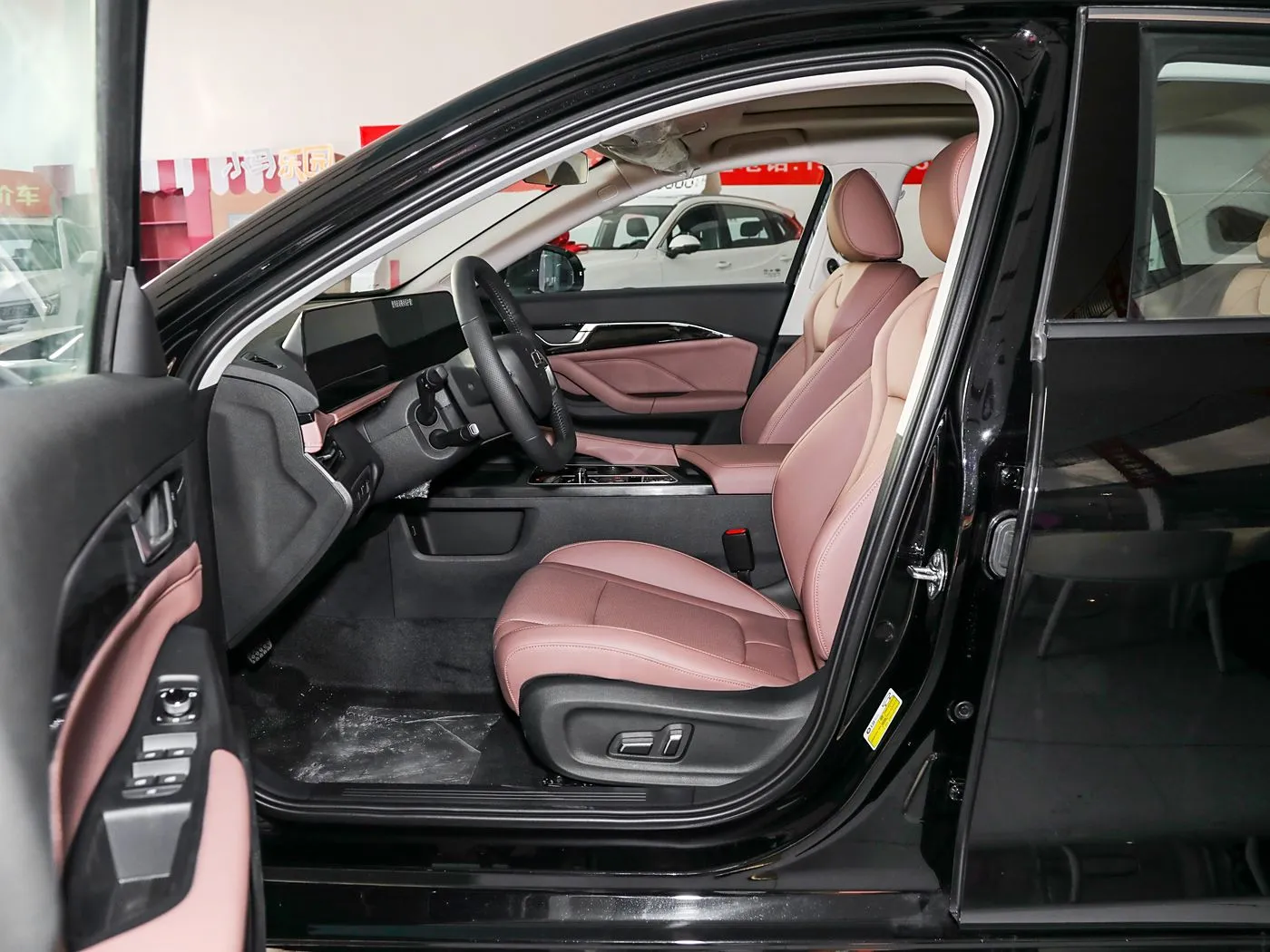
Vehicle performance is dictated by a complex interplay of aerodynamic design, powertrain efficiency, and chassis dynamics. Aerodynamic drag is minimized through extensive wind tunnel testing and computational fluid dynamics (CFD) simulations, optimizing vehicle shape and incorporating features such as spoilers and underbody panels. Powertrain engineering focuses on maximizing energy conversion efficiency – whether internal combustion engine (ICE) optimization, hybrid system integration, or electric motor and battery technology. Finite element analysis (FEA) is extensively used to simulate stress distribution in critical components – chassis, suspension, and powertrain – under various load conditions, ensuring structural integrity and fatigue resistance. Crashworthiness is a paramount concern, addressed through advanced structural design, energy-absorbing materials, and comprehensive restraint systems – airbags, seatbelts, and crumple zones. Compliance with safety regulations (e.g., IIHS, Euro NCAP) necessitates rigorous crash testing and adherence to specified performance criteria. Ride and handling are optimized through careful tuning of suspension geometry, damping characteristics, and steering systems. Force analysis is crucial in designing suspension components to withstand dynamic loads and ensure vehicle stability. Environmental resistance is achieved through the application of corrosion-resistant coatings, selection of durable materials, and rigorous testing in harsh environmental conditions. Electromagnetic compatibility (EMC) is essential for ensuring the proper functioning of electronic systems without interference from external sources or causing interference to other devices.
Technical Specifications
| Parameter | Gasoline Engine Vehicle | Electric Vehicle | Hybrid Vehicle |
|---|---|---|---|
| Curb Weight (kg) | 1400 - 1800 | 1600 - 2200 | 1500 - 2000 |
| 0-100 km/h Acceleration (s) | 7 - 12 | 4 - 8 | 6 - 10 |
| Fuel Consumption / Energy Consumption | 6 - 10 L/100km | 15 - 25 kWh/100km | 2 - 4 L/100km + kWh/100km |
| CO2 Emissions (g/km) | 130 - 230 | 0 (Tailpipe) | 40 - 100 |
| Battery Capacity (kWh) | N/A | 40 - 100 | 1 - 20 |
| Maximum Torque (Nm) | 150 - 300 | 300 - 600 | 200 - 500 |
Failure Mode & Maintenance
Brand new cars, despite rigorous quality control, are susceptible to various failure modes. Fatigue cracking in chassis components can occur due to repeated stress cycles, exacerbated by corrosion. Delamination of paint layers can result from poor surface preparation, inadequate adhesion, or exposure to UV radiation. Engine failures can arise from overheating, lubrication issues, or component wear. Battery degradation in electric vehicles is a common concern, leading to reduced range and performance. Corrosion of body panels and undercarriage components is accelerated by exposure to road salt and moisture. Oxidation of rubber seals and hoses can lead to leaks and reduced functionality. Regular maintenance is crucial to prevent premature failures. This includes oil changes, coolant flushes, brake pad replacements, tire rotations, and inspection of suspension components. Preventative maintenance schedules, outlined in the vehicle’s owner’s manual, should be strictly adhered to. Diagnostic scans using onboard diagnostics (OBD) systems can identify potential issues early on. Visual inspections for corrosion, leaks, and wear are also essential. Proper storage and cleaning practices can help prolong the lifespan of the vehicle and its components. Use of manufacturer-approved parts and fluids is critical to maintaining performance and avoiding warranty issues.
Industry FAQ
Q: What are the primary differences in material selection between a high-performance sports car and a standard family sedan?
A: High-performance sports cars prioritize weight reduction and increased stiffness. They utilize a significantly higher proportion of carbon fiber reinforced polymers (CFRP), aluminum alloys, and magnesium alloys compared to standard sedans which rely more heavily on HSLA steel. The use of exotic materials in sports cars justifies the higher cost in exchange for improved handling and acceleration.
Q: How does the implementation of advanced driver-assistance systems (ADAS) impact the vehicle's electrical architecture?
A: ADAS implementation drastically increases the complexity of the vehicle's electrical architecture. It requires a robust network of sensors (radar, cameras, LiDAR), high-performance computing platforms, and dedicated communication protocols (CAN, LIN, Ethernet). The increased electrical load necessitates higher capacity wiring harnesses and more sophisticated power management systems.
Q: What are the key challenges in ensuring the long-term durability of lithium-ion batteries in electric vehicles?
A: Key challenges include thermal management, degradation of electrode materials, and electrolyte decomposition. Maintaining optimal battery temperature is critical to prevent overheating and capacity fade. Solid-state batteries are being developed to address some of these issues, offering improved energy density and safety.
Q: How are manufacturers addressing the increasing demand for vehicle recyclability and sustainable materials?
A: Manufacturers are employing design for disassembly (DFD) principles, utilizing more recyclable materials (e.g., recycled plastics, aluminum), and implementing closed-loop recycling systems. Bio-based materials are also gaining traction as alternatives to traditional petroleum-based plastics.
Q: What role does digital twin technology play in the vehicle development and testing process?
A: Digital twin technology creates a virtual replica of the vehicle, enabling engineers to simulate performance, identify potential issues, and optimize designs before physical prototypes are built. This significantly reduces development time and costs, and improves vehicle reliability.
Conclusion
The brand new car represents a highly engineered and sophisticated product, built upon a foundation of advanced materials science, intricate manufacturing processes, and rigorous performance engineering. Meeting the demands of safety, efficiency, and environmental sustainability requires continuous innovation and a holistic approach to vehicle design and development. The pursuit of lighter materials, more efficient powertrains, and autonomous driving capabilities will continue to drive advancements in automotive technology.
Future trends in automotive engineering are likely to focus on increased electrification, connectivity, and automation. The development of advanced battery technologies, robust cybersecurity measures, and sophisticated artificial intelligence algorithms will be crucial to realizing the full potential of these technologies. Moreover, the integration of circular economy principles and sustainable manufacturing practices will become increasingly important in minimizing the environmental impact of the automotive industry.