
Apr . 01, 2024 17:55 Back to list
Automotive Video Systems Performance Analysis
Introduction
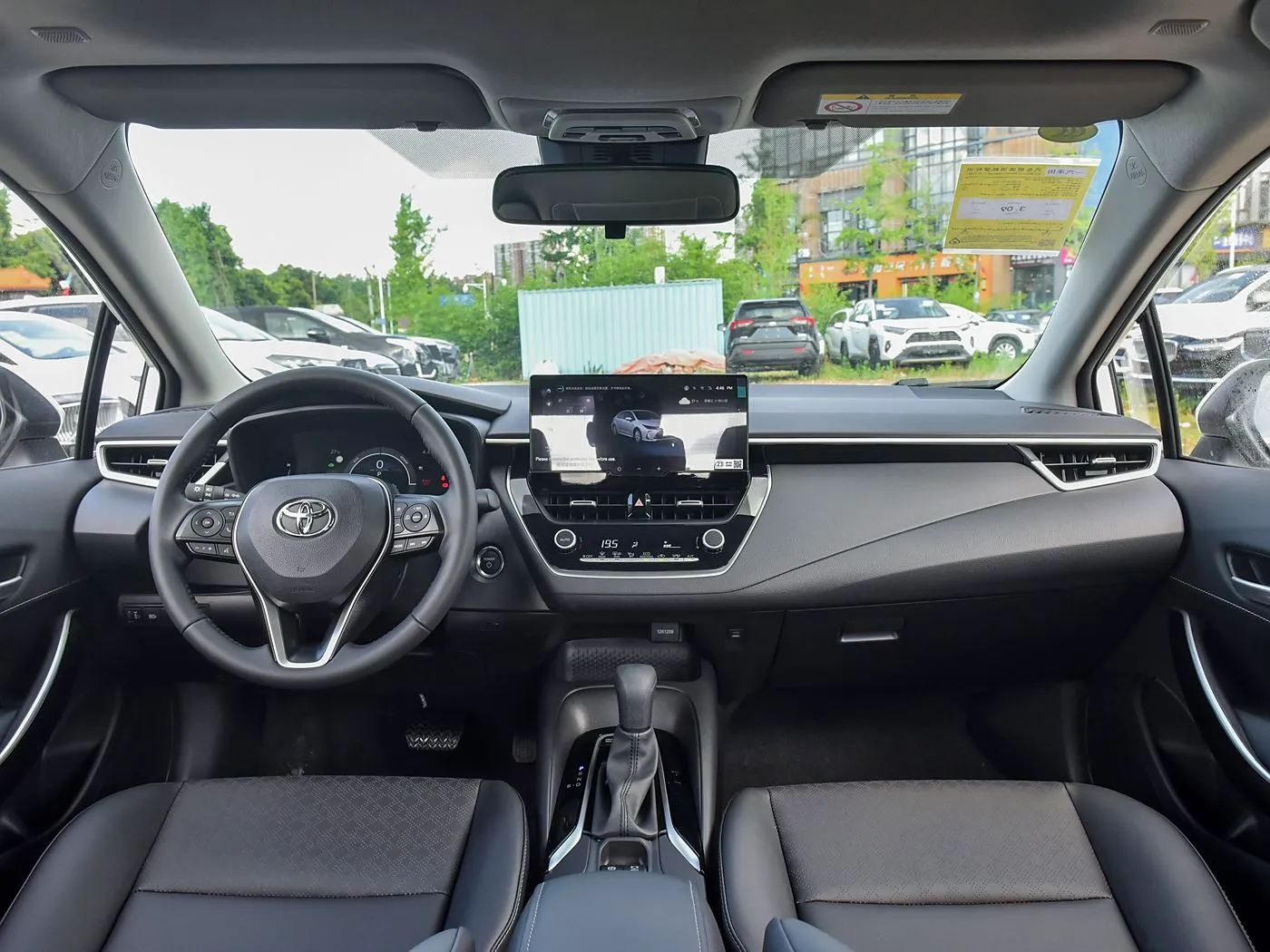
Automotive video systems, encompassing both integrated infotainment displays and aftermarket solutions, represent a crucial component of modern vehicle technology. These systems have evolved from basic audio-visual units to sophisticated platforms providing navigation, driver assistance features, vehicle diagnostics, and connectivity. Their technical position in the automotive supply chain is multifaceted, requiring integration with the vehicle's CAN bus, power systems, and increasingly, advanced driver-assistance systems (ADAS). Core performance metrics are defined by display resolution, refresh rate, brightness, contrast ratio, viewing angles, processing speed, operating temperature range, and electromagnetic compatibility (EMC) performance. Current challenges revolve around reducing glare, improving user interface responsiveness, enhancing cybersecurity, and adapting to the increasing demands of high-bandwidth data streams from connected car applications. The quality and reliability of these systems are paramount, impacting driver safety and overall vehicle user experience.
Material Science & Manufacturing
The construction of automotive video systems relies on a complex interplay of materials and manufacturing processes. LCD and OLED displays utilize liquid crystal materials exhibiting anisotropic dielectric permittivity, requiring precise alignment achieved through rubbing techniques and alignment layers made of polyimide. Polarizing films, crucial for light control, are often constructed from stretched polyvinyl alcohol (PVA). The backlight units typically employ LEDs (Gallium Nitride or Indium Gallium Nitride based) and light guide plates (PMMA - Polymethyl methacrylate) with micro-structures for uniform light distribution. The housing components are commonly injection molded from acrylonitrile butadiene styrene (ABS) or polycarbonate (PC) offering impact resistance and dimensional stability. Manufacturing processes include screen printing for electrode deposition, thin-film deposition (sputtering, chemical vapor deposition) for creating the display layers, and automated assembly lines for module integration. Key parameter control focuses on maintaining tight tolerances in layer thickness (nanometer scale), precise temperature control during annealing and deposition processes, and stringent quality control measures to minimize defects such as pixel failures and light leakage. Electromagnetic Interference (EMI) shielding utilizing conductive polymers or metal coatings is critical to ensure compliance with automotive EMC standards. The adhesives used in bonding must exhibit high shear strength and resistance to thermal cycling.
Performance & Engineering
Performance of automotive video systems necessitates detailed engineering considerations. Force analysis focuses on vibration resistance, particularly during vehicle operation, to prevent component dislodgement or damage. Environmental resistance is critical; systems must withstand extreme temperatures (-40°C to +85°C), humidity, UV exposure, and chemical exposure (e.g., cleaning agents). Compliance requirements include automotive EMC standards (CISPR 25), safety standards (ISO 26262 - Functional Safety), and display performance standards (relevant sections of SAE J1757). Functional implementation involves complex signal processing algorithms for image enhancement, color correction, and anti-glare control. The touch screen functionality relies on capacitive sensing technology, requiring precise calibration and accurate signal processing to ensure responsiveness and prevent false triggers. Power consumption is a significant concern, requiring efficient power management circuits and optimized software to minimize battery drain. Heat dissipation is also a critical factor, particularly for high-brightness displays; heat sinks and thermal management materials are employed to maintain operating temperatures within acceptable limits. Data transfer protocols like LVDS (Low-Voltage Differential Signaling) and HDMI (High-Definition Multimedia Interface) need to be robustly implemented to handle high-resolution video signals reliably.
Technical Specifications
| Display Technology | Resolution | Brightness (cd/m²) | Contrast Ratio |
|---|---|---|---|
| LCD (TN) | 800 x 480 | 350 | 500:1 |
| LCD (IPS) | 1920 x 1080 | 450 | 1000:1 |
| OLED | 1920 x 1080 | 600 | >1,000,000:1 |
| LCD (TFT) | 1280 x 720 | 400 | 600:1 |
| LCD (VA) | 1366 x 768 | 500 | 800:1 |
| MicroLED | 1920 x 1080 | 1000 | >1,000,000:1 |
Failure Mode & Maintenance
Failure modes in automotive video systems are diverse. Fatigue cracking can occur in the housing components due to prolonged vibration exposure. Delamination of the polarizer film can reduce display contrast and visibility. Degradation of the LED backlight can lead to reduced brightness and color shift. Oxidation of the electrical contacts can cause intermittent signal loss or complete failure. Pixel failures (stuck or dead pixels) are common in LCD displays. Software glitches or corruption can lead to system freezes or malfunctions. Electromagnetic interference can disrupt signal transmission. Maintenance solutions involve regular software updates to address bugs and vulnerabilities. Periodic inspection of the housing for cracks or damage. Cleaning the display with appropriate non-abrasive materials. Checking and tightening electrical connections. In the event of backlight failure, replacement of the entire display module is typically required. Diagnosis of software issues often requires specialized diagnostic tools and skilled technicians. Proper grounding and shielding are crucial for preventing EMI-related failures. Preventive maintenance, including protecting the system from extreme temperatures and humidity, can significantly extend its lifespan.
Industry FAQ
Q: What is the typical lifespan of an automotive OLED display, and how does it compare to LCD?
A: Automotive OLED displays generally have a lifespan of 10,000-20,000 hours, though this is highly dependent on operating temperature and brightness levels. While LCD displays traditionally offered longer lifespans (often exceeding 30,000 hours), advancements in OLED technology are rapidly closing this gap. OLED exhibits degradation in luminance over time, a phenomenon known as ‘burn-in’ though modern designs mitigate this. LCDs are susceptible to backlight failure and color shift. The operating conditions within a vehicle, especially temperature extremes, impact both technologies, but OLED's sensitivity to heat is a more critical concern.
Q: How does the automotive industry address electromagnetic compatibility (EMC) concerns with video systems?
A: Automotive EMC standards (CISPR 25) are rigorously enforced. Manufacturers employ several techniques, including metal shielding around the display module and integrated circuitry, careful PCB layout to minimize radiation, and the use of filtered power supplies. Twisted-pair cabling is used for signal transmission to reduce electromagnetic interference. Extensive testing is conducted in specialized EMC chambers to verify compliance before vehicle release. Software filtering and signal conditioning also play a role in reducing noise.
Q: What are the challenges associated with integrating video systems with advanced driver-assistance systems (ADAS)?
A: Integrating video systems with ADAS requires high bandwidth, low latency data transfer and stringent reliability. ADAS features like surround view cameras and park assist rely heavily on the video system's processing power and accuracy. Synchronization between the video system and other ADAS sensors (radar, lidar) is critical. Data security is a major concern, as compromised video feeds could potentially disrupt ADAS functionality. Functional safety (ISO 26262) requirements are paramount, necessitating robust error handling and redundancy mechanisms.
Q: What is the role of LVDS and HDMI in automotive video system architecture?
A: LVDS (Low-Voltage Differential Signaling) is commonly used for transmitting video signals from the head unit to the display panel due to its low power consumption, high noise immunity, and cost-effectiveness. HDMI (High-Definition Multimedia Interface) is increasingly used for connecting external devices (e.g., smartphones, media players) to the vehicle's infotainment system, supporting higher resolutions and audio formats. Automotive-grade HDMI connectors and cabling are necessary to withstand the harsh environmental conditions within a vehicle.
Q: How are anti-glare and anti-reflection coatings applied to automotive displays, and what materials are used?
A: Anti-glare and anti-reflection coatings are typically applied to the display surface using a variety of techniques, including vapor deposition, sputtering, or coating with a specialized polymer film. Materials commonly used include hard coatings based on silicon dioxide (SiO2) or magnesium fluoride (MgF2), and textured acrylic films. The coatings work by reducing the amount of light reflected from the display surface, improving visibility in bright sunlight and minimizing distracting reflections. The texture of the coating diffuses the reflected light, further reducing glare.
Conclusion
Automotive video systems represent a complex convergence of material science, manufacturing precision, and sophisticated engineering. Their core performance is defined by a multitude of interconnected parameters, from display resolution and brightness to environmental resilience and electromagnetic compatibility. The integration of these systems with ADAS and connected car technologies presents ongoing challenges requiring continuous innovation in materials, processing algorithms, and system architecture.
Future development will focus on enhancing display technologies (MicroLED, flexible displays), improving user interface responsiveness, strengthening cybersecurity measures, and achieving seamless integration with the evolving automotive ecosystem. Addressing the challenges of heat dissipation, power consumption, and long-term reliability will be crucial for ensuring the continued success of these systems in the demanding automotive environment.