
Apr . 01, 2024 17:55 Back to list
7 seater hybrid Powertrain Performance Analysis
Introduction
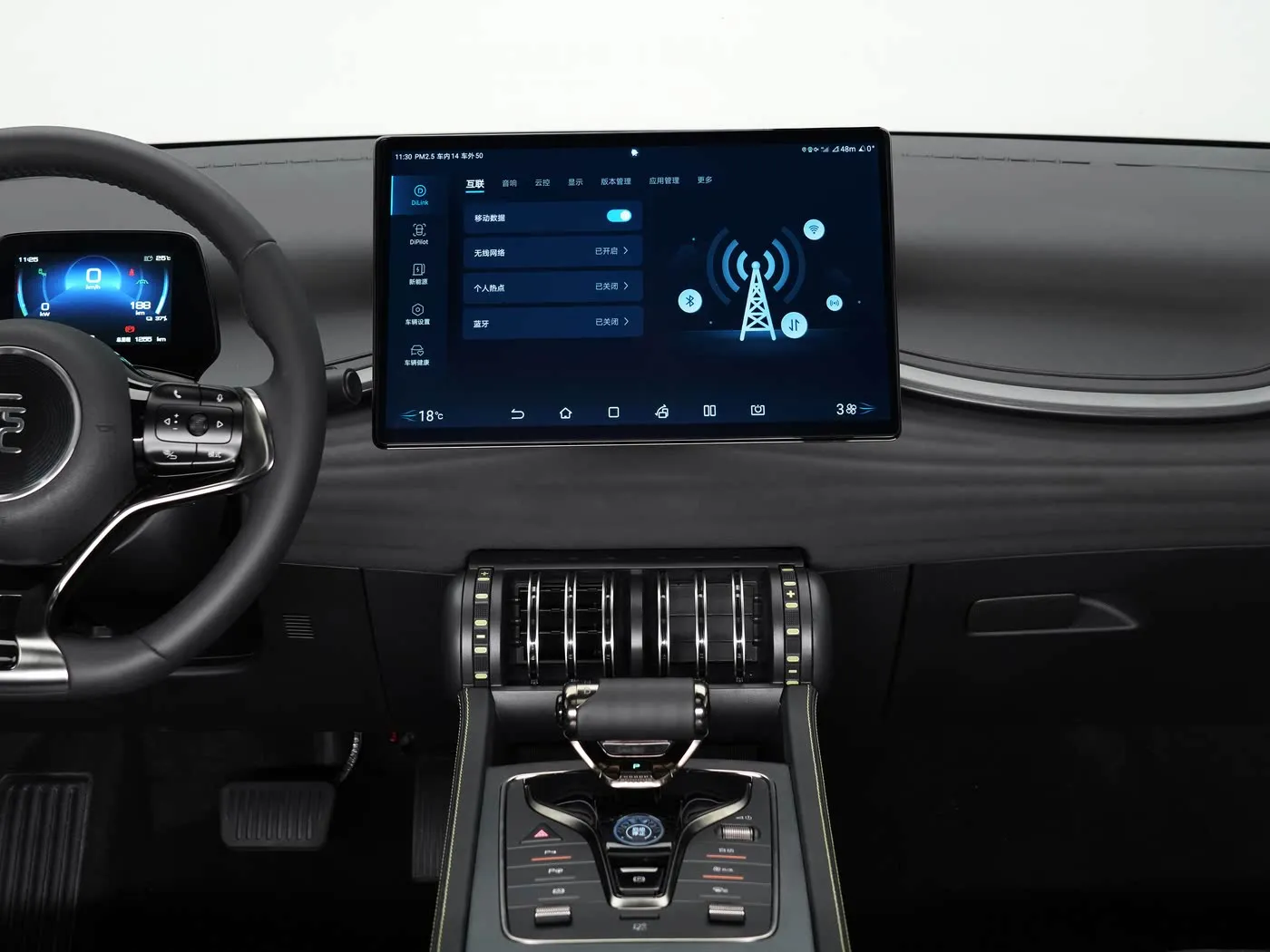
The 7-seater hybrid vehicle represents a significant convergence of passenger-carrying capacity, fuel efficiency, and reduced emissions within the automotive industry. Positioned within the broader vehicle segment encompassing multi-purpose vehicles (MPVs) and sport utility vehicles (SUVs), these vehicles address a growing demand for family transportation that minimizes environmental impact. Core performance characteristics revolve around the synergistic operation of an internal combustion engine (ICE) – typically gasoline – coupled with an electric motor and battery system. This configuration enables regenerative braking, electric-only operation at low speeds, and optimized engine load management, leading to substantial fuel economy improvements compared to conventionally powered 7-seater vehicles. A primary industry challenge lies in balancing passenger volume and cargo space with the added weight and complexity of the hybrid powertrain, impacting handling characteristics and overall vehicle dynamics. The integration of increasingly sophisticated battery management systems (BMS) and power electronics is paramount for maximizing efficiency and ensuring long-term reliability. Furthermore, meeting increasingly stringent emissions regulations globally drives continuous innovation in hybrid technology and the exploration of alternative fuel sources.
Material Science & Manufacturing
The construction of a 7-seater hybrid vehicle relies on a complex interplay of materials science and manufacturing processes. The chassis and body structure predominantly utilize high-strength steel (HSS) and aluminum alloys to maximize rigidity while minimizing weight. Advanced High-Strength Steels (AHSS) such as Dual-Phase (DP) and Transformation-Induced Plasticity (TRIP) steels are employed in critical structural components to enhance crashworthiness. Aluminum alloys (series 5000 and 6000) are increasingly used in body panels and subframes to reduce overall vehicle mass, contributing to improved fuel efficiency. The battery pack, a critical component, utilizes lithium-ion battery cells, typically composed of Nickel Manganese Cobalt (NMC) or Lithium Iron Phosphate (LFP) chemistries. The cells are encased in a robust housing constructed from aluminum or steel, designed to withstand mechanical stress, thermal runaway events, and environmental exposure. Manufacturing processes include robotic welding (laser and resistance spot welding) for chassis assembly, aluminum die-casting for powertrain components, and automated fiber placement (AFP) for composite material applications (e.g., interior panels). Polypropylene (PP) and acrylonitrile butadiene styrene (ABS) are common plastics utilized for interior components, chosen for their balance of cost, durability, and ease of processing. Critical parameter control during manufacturing focuses on weld integrity (penetration, tensile strength), adhesive bonding quality (shear strength, peel strength), and dimensional accuracy of components to ensure proper fit and function. The hybrid powertrain components require high-precision machining and assembly to ensure efficient energy transfer and minimize parasitic losses.
Performance & Engineering
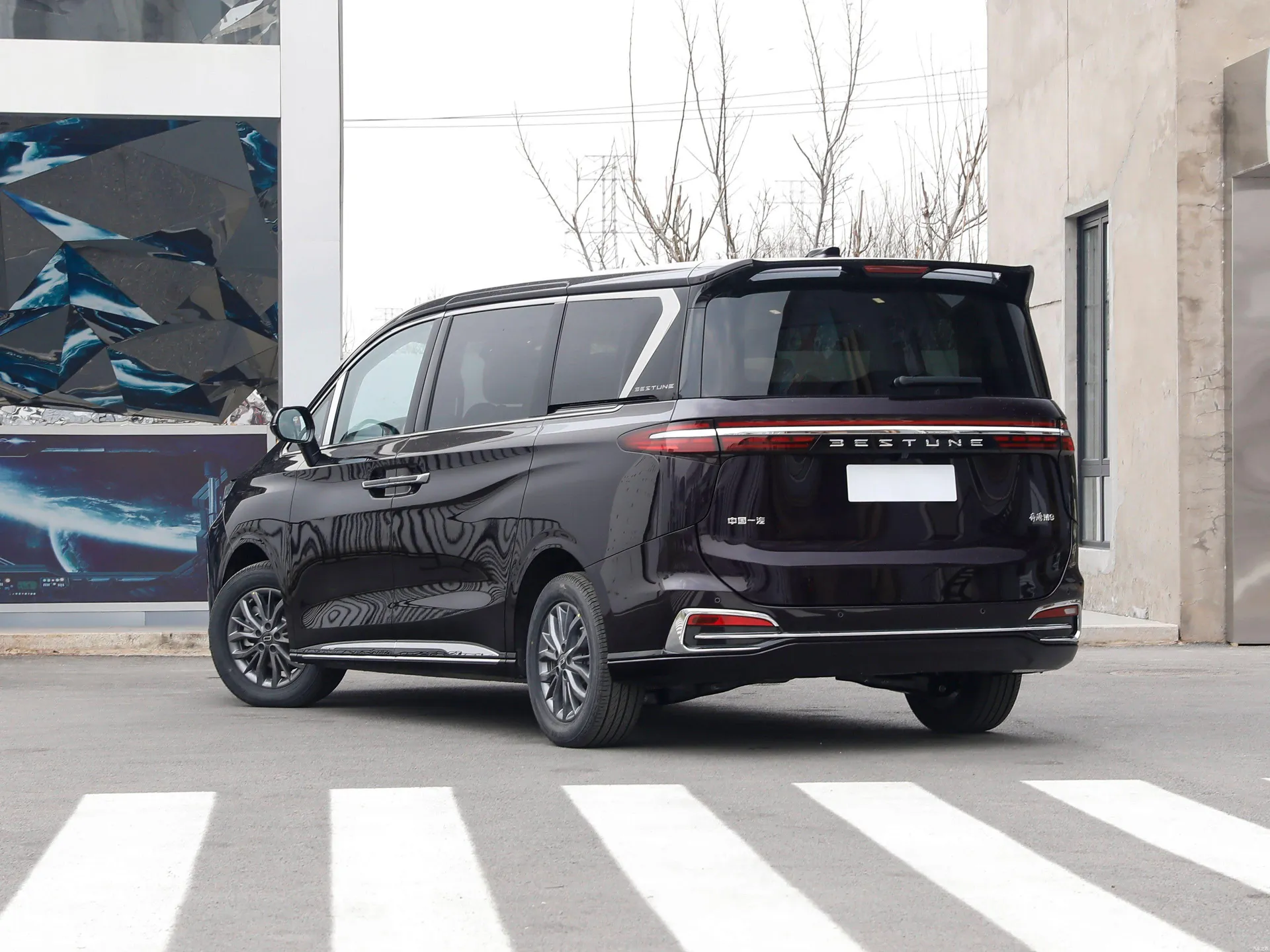
Performance engineering of a 7-seater hybrid involves a multifaceted analysis encompassing structural integrity, powertrain efficiency, thermal management, and passenger safety. Force analysis, particularly during collision events, is performed using Finite Element Analysis (FEA) to optimize the vehicle’s structural design and ensure compliance with safety standards. Powertrain engineering focuses on optimizing the interaction between the ICE and electric motor, maximizing regenerative braking efficiency, and minimizing energy losses within the transmission system. Thermal management is critical, especially for the battery pack and power electronics. Liquid cooling systems, utilizing glycol-water mixtures, are employed to maintain optimal operating temperatures and prevent overheating. Environmental resistance considerations include corrosion protection (using cathodic electrodeposition and polymeric coatings), resistance to UV degradation (for exterior plastics), and durability in extreme temperature conditions. Compliance requirements include adherence to emissions standards (Euro 6d, EPA Tier 3), safety regulations (FMVSS, ECE R94), and battery safety standards (ISO 26262). Functional implementation of the hybrid system necessitates sophisticated control algorithms that manage energy flow, optimize engine operation, and provide seamless transitions between electric and gasoline power. The vehicle's suspension system is engineered to accommodate the added weight of the hybrid components while maintaining a comfortable ride quality and responsive handling.
Technical Specifications
| Parameter | Unit | Typical Value (Gasoline Hybrid) | Typical Value (Plug-in Hybrid) |
|---|---|---|---|
| Total Vehicle Weight | kg | 1900 - 2200 | 2100 - 2400 |
| Engine Displacement | cc | 1800 - 2500 | 1800 - 2500 |
| Electric Motor Power | kW | 60 - 85 | 80 - 110 |
| Battery Capacity | kWh | 1.4 - 2.0 | 10 - 15 |
| Fuel Economy (Combined) | L/100km | 5.0 - 7.0 | 2.0 - 4.0 |
| CO2 Emissions (Combined) | g/km | 115 - 160 | 45 - 90 |
Failure Mode & Maintenance
Failure modes in 7-seater hybrid vehicles are diverse and often stem from the complexity of the powertrain. Battery degradation, characterized by reduced capacity and internal resistance increase, is a common concern. This is often accelerated by high charging/discharging cycles, extreme temperatures, and improper charging practices. Hybrid inverter failures can occur due to thermal stress, voltage fluctuations, and component aging. The electric motor can experience bearing failures, winding insulation degradation, and rotor magnetization loss. The ICE component is susceptible to conventional failure modes such as piston ring wear, valve train issues, and catalytic converter degradation. Furthermore, corrosion of high-voltage wiring harnesses and connectors presents a significant safety hazard. Delamination of battery cell layers and thermal runaway events are critical failures requiring immediate attention. Maintenance solutions include periodic battery health checks (State of Health - SOH), inverter coolant flushing, electric motor bearing lubrication, ICE oil and filter changes, and inspection of high-voltage cabling for damage or corrosion. Preventive maintenance schedules should adhere to manufacturer recommendations. Diagnostic tools, such as OBD-II scanners and specialized hybrid diagnostic equipment, are essential for identifying and resolving issues. Regular software updates for the battery management system (BMS) and powertrain control module (PCM) are crucial for optimizing performance and addressing potential vulnerabilities.
Industry FAQ
Q: What are the primary challenges associated with the thermal management of a 7-seater hybrid battery pack?
A: The primary challenges involve maintaining a uniform temperature distribution within the battery pack, preventing overheating during high-load operation (acceleration, hill climbing), and mitigating the impact of ambient temperature fluctuations. Batteries operate optimally within a narrow temperature range; exceeding these limits can accelerate degradation and reduce performance. Complex cooling systems, often utilizing liquid cooling plates and phase-change materials, are employed to address these challenges. Effective thermal isolation from other vehicle components and precise control of coolant flow are critical.
Q: How does the added weight of the hybrid components impact the vehicle’s handling characteristics?
A: The added weight, primarily from the battery pack and electric motor, typically increases the vehicle’s inertia, resulting in slightly reduced agility and increased stopping distances. Manufacturers compensate for this by optimizing the suspension system (stiffer springs, upgraded dampers) and utilizing lightweight materials in other areas of the vehicle. Electronic Stability Control (ESC) systems are also crucial for maintaining vehicle control during dynamic maneuvers.
Q: What are the key differences in material selection between gasoline-powered and hybrid 7-seater vehicles?
A: Hybrid vehicles necessitate the inclusion of materials optimized for high-voltage applications and thermal management. This includes specialized insulation materials for high-voltage wiring, thermally conductive materials for battery cooling, and lightweight materials (aluminum, composites) to offset the weight of the hybrid components. Corrosion-resistant materials are also prioritized due to the increased risk of electrochemical corrosion in the presence of battery electrolytes.
Q: What are the implications of regenerative braking on brake pad wear?
A: Regenerative braking significantly reduces the reliance on friction brakes, thereby extending brake pad life. The electric motor acts as a generator during deceleration, converting kinetic energy into electrical energy, which slows the vehicle down. However, the friction brakes are still necessary for emergency stops and at low speeds. The optimal implementation of regenerative braking requires careful calibration to ensure seamless transitions and maximize energy recovery.
Q: What safety standards are critical for the design and testing of 7-seater hybrid vehicles?
A: Key safety standards include FMVSS 301 (Fuel System Integrity), FMVSS 225 (Steering Systems), FMVSS 214 (Occupant Crash Protection), and ISO 26262 (Functional Safety of Electrical/Electronic Systems). Specific battery safety standards, such as UL 2580 and IEC 62133, are also crucial. Rigorous crash testing, including frontal, side, and rollover impact assessments, is performed to ensure occupant safety in the event of a collision. High-voltage system isolation and protection mechanisms are essential to prevent electrical shock hazards.
Conclusion
The 7-seater hybrid vehicle represents a sophisticated integration of automotive engineering and materials science, driven by the demand for fuel efficiency and reduced emissions within the family transportation sector. Successfully designing and manufacturing these vehicles requires careful consideration of powertrain optimization, thermal management, structural integrity, and adherence to stringent safety regulations. The continued advancement of battery technology, lightweight materials, and intelligent control systems will be pivotal in enhancing the performance, range, and affordability of 7-seater hybrid vehicles.
Looking ahead, we anticipate a shift towards plug-in hybrid configurations with increased battery capacity, enabling extended electric-only range and reduced reliance on the internal combustion engine. The integration of advanced driver-assistance systems (ADAS) and connectivity features will further enhance the driving experience and improve safety. Standardization of charging infrastructure and the development of sustainable battery recycling processes are critical for the widespread adoption of 7-seater hybrid technology and a cleaner transportation future.