
Piston kit assemblies represent a critical intersection of traditional engine engineering and modern hybrid powertrain design. As the automotive industry accelerates toward electrification, the role of precision components in hybrid systems has become increasingly nuanced and vital. New energy vehicles (NEVs), particularly plug-in hybrids and mild hybrids, still rely on internal combustion engines that operate under different stress profiles than their conventional counterparts, making component quality and durability more important than ever.
The shift toward electrification has not eliminated the need for robust engine architecture; rather, it has transformed the requirements. Hybrid engines frequently cycle on and off, operate at varying loads, and must seamlessly integrate with electric motors. This places unique demands on every component within the engine assembly, from the cylinder head to the crankshaft bearings. Engineers are now designing parts that can withstand thermal cycling, reduce friction, and maintain tolerances over extended periods of partial operation.
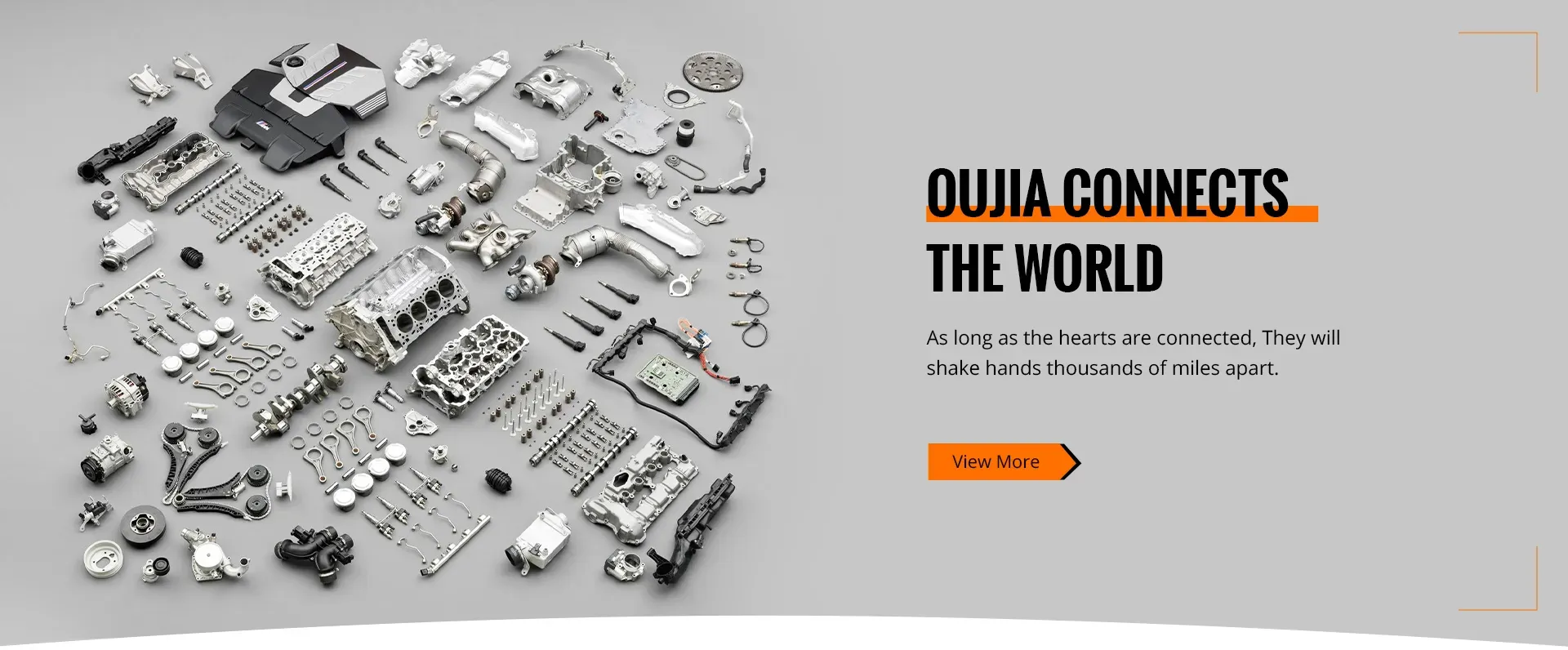
The Evolving Material Science Behind Hybrid Powertrains
Material selection has emerged as a defining factor in hybrid powertrain reliability. Components such as the cylinder block, crankshaft, and connecting rods must now meet higher standards of thermal management and wear resistance. The intermittent operation of hybrid engines creates temperature fluctuations that can accelerate material fatigue if not properly addressed. Advanced alloys and precision machining techniques have become essential to ensure that parts maintain their integrity over the vehicle's lifetime.
One area of particular focus is the valvetrain system, where components like the Exhaust camshaft must deliver consistent performance under variable engine speeds and loads. In hybrid applications, the camshaft's role in optimizing valve timing becomes even more critical, as the engine management system constantly adjusts between electric and combustion power. Precision-ground cam lobes and surface-hardened materials help reduce wear and maintain timing accuracy over thousands of operating hours.
Quality Standards in the Global Supply Chain
The global supply chain for engine components has undergone significant transformation to support the NEV transition. Tier-one suppliers and aftermarket partners alike have raised their quality benchmarks to meet the demands of hybrid systems. Timing kits, gasket sets, intake valves, and water pumps are now manufactured with tighter tolerances and more rigorous testing protocols. The emphasis on 100,000-kilometer durability guarantees reflects the industry's commitment to long-term reliability in hybrid applications.
International markets including Germany, Japan, Brazil, and the United States have established stringent requirements for component quality. Suppliers that serve these markets must demonstrate consistent quality control, comprehensive model coverage, and the ability to support both original equipment and aftermarket needs. The breadth of inventory—covering tens of thousands of models—allows for rapid response to the evolving needs of hybrid vehicle maintenance and repair across diverse vehicle platforms.
The Future of Engine Components in the NEV Landscape
As hybrid technology continues to evolve, the demand for specialized engine components will persist. The internal combustion engine in a hybrid vehicle is not a relic of the past but a carefully engineered system that works in concert with electric propulsion. This synergy requires components that are lighter, stronger, and more precisely manufactured than ever before. The industry is responding with innovations in piston design, valve materials, and bearing technology that directly benefit the performance and longevity of hybrid vehicles.
For fleet operators and individual vehicle owners alike, understanding the importance of quality engine components in hybrid systems is essential. The reliability of the overall vehicle depends on the integrity of each part within the powertrain. As the market for new energy vehicles expands, the underlying supply chain that supports these systems—from connecting rods and crankshaft bearings to intake and exhaust valves—will continue to be a critical factor in the industry's success.
Conclusion: Precision as the Foundation of Trust
The new energy vehicle revolution is not solely about batteries and electric motors. It is equally about the precision engineering of the components that make hybrid systems viable, reliable, and efficient. The industry's ability to deliver high-quality engine parts—manufactured to exacting standards and supported by robust supply chains—will determine how smoothly the transition to electrification unfolds. In this evolving landscape, the quiet work of component manufacturers and suppliers remains the unsung foundation upon which the future of mobility is being built.