
Profile S1002 Series Rail WheelsRRVs are engineered to meet the demanding requirements of modern rail systems that transport materials and finished vehicles across the new energy vehicle supply chain. As the global NEV market continues its rapid expansion, the logistics infrastructure that supports it must evolve to handle increased volume, heavier payloads, and stricter delivery timelines.
The shift toward electric mobility has created unprecedented pressure on supply chains. Battery components, raw materials, and finished vehicles all require specialized transport solutions. Rail systems, long considered the backbone of heavy freight movement, are now being adapted to serve the unique needs of the NEV industry with greater precision and reliability than ever before.
The Growing Role of Rail in NEV Supply Chains
New energy vehicle manufacturers are scaling production at a rate that strains existing logistics networks. Rail transport offers a compelling solution: it moves large volumes of goods over long distances with lower emissions per ton-mile compared to road transport. For an industry that prides itself on environmental sustainability, this alignment is significant.
From lithium and cobalt shipments to battery packs and finished EVs, rail systems are increasingly called upon to handle diverse cargo types. Each of these materials presents unique handling requirements, and the rolling stock that carries them must be designed for durability, safety, and efficiency.
Material Demands on Rail Components
The components that make up rail systems face extreme conditions. Heavy loads, continuous operation, varying weather, and high speeds all contribute to wear. Wheels, in particular, are among the most stressed elements. They must maintain dimensional stability, resist fatigue, and provide consistent performance over tens of thousands of miles.
Forged steel wheels have become a preferred choice in many heavy-duty rail applications because of their superior grain structure and mechanical properties. The forging process aligns the metal's internal grain flow with the shape of the wheel, resulting in higher strength and better resistance to impact and fatigue compared to cast alternatives.
Quality Considerations for Long-Term Reliability
In the NEV supply chain, downtime is costly. A single logistics delay can halt production lines and disrupt delivery schedules. This is why rail operators and logistics managers place a premium on component quality. Wheels, axles, and other running gear must meet stringent standards to ensure safe, uninterrupted operation.
Manufacturers that supply these components invest heavily in quality control, material testing, and process optimization. The goal is to deliver products that not only meet specifications but exceed them, providing a margin of safety and longevity that reduces total cost of ownership for rail operators.
Supporting the Full Material Lifecycle
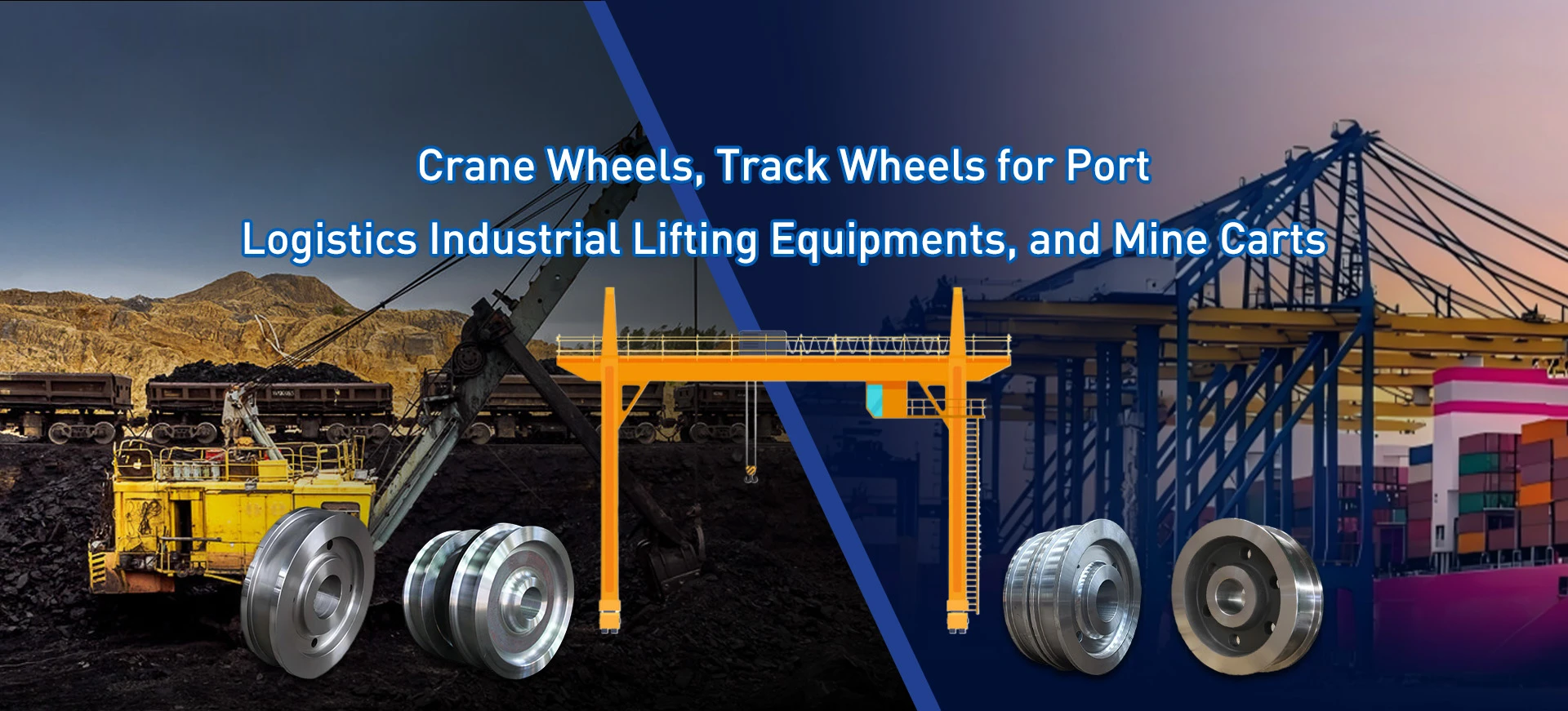
The NEV supply chain extends from raw material extraction to final vehicle delivery. At the earliest stages, materials like iron ore, copper, and lithium are moved from mines to processing facilities. Rail systems designed for rugged conditions are essential in these environments. Specialized rolling stock, including Mine Cart Wheels, must withstand abrasive materials, heavy loads, and challenging terrain while maintaining reliable performance.
The same attention to material quality and engineering that applies to mainline rail also applies to industrial and mining rail systems. Every link in the logistics chain must be strong enough to handle the demands of a growing industry.
Industry Trends Shaping Rail Component Development
Several trends are influencing how rail components are designed and manufactured for the NEV sector:
- Higher load capacities — As battery packs become larger and vehicles heavier, rail systems must accommodate greater axle loads without compromising safety.
- Improved wear resistance — Longer maintenance intervals reduce operational disruptions and lower lifecycle costs for logistics providers.
- Lightweight design — Reducing unsprung mass in rail wheels improves fuel efficiency and reduces track wear, supporting sustainability goals.
- Global standardization — As NEV supply chains become more international, components that meet multiple regulatory standards offer logistical advantages.
The Path Forward for NEV Logistics
The new energy vehicle industry is still in its growth phase. As production scales and markets expand, the logistics infrastructure that supports it will continue to evolve. Rail transport, with its efficiency and capacity advantages, will play an increasingly central role. The quality of the components that make up that rail infrastructure — from wheels to axles to braking systems — will directly affect the reliability and cost-effectiveness of the entire supply chain.
For logistics managers, procurement specialists, and operations leaders in the NEV space, understanding the materials and engineering behind rail components is not just a technical detail — it is a strategic advantage. Choosing components that are designed for the demands of modern freight rail ensures that the supply chain remains strong, efficient, and ready for the challenges of tomorrow.
This article is provided for informational purposes and reflects industry observations. For specific technical specifications and application guidance, consult with qualified engineering professionals.